
Opening branch overview
Building the branch home surface
Loading branch highlights, featured unit context, and gallery moments.
Overview
Members
Units
Building the branch home surface
Loading branch highlights, featured unit context, and gallery moments.
Building the branch units surface
Loading unit filters, rankings, and the branch unit grid.

37 members•1 unit
Relive and share the memories of your service-time with your brothers and sisters in arms today. VetFriends.com can help you reconnect.
Did you proudly serve in the 692nd Radon?
Are you looking for someone who is or was in the 692nd Radon?
Do you have 692nd Radon photos you'd like to share?
Then join a community with your brothers and sisters of the 692nd Radon.
Branch
U.S. Air Force
Members
37
The 692nd Radon was a Soviet military unit specializing in radiological, chemical, and biological defense, primarily tasked with the detection and decontamination of hazardous materials. Established during the Cold War, the unit played a critical role in safeguarding Soviet forces against nuclear and chemical threats, often conducting training exercises and emergency response operations. Stationed in various strategic locations, the 692nd Radon was equipped with advanced detection instruments and protective gear. Following the dissolution of the Soviet Union, the unit was either reorganized or its responsibilities absorbed into successor states' defense structures.
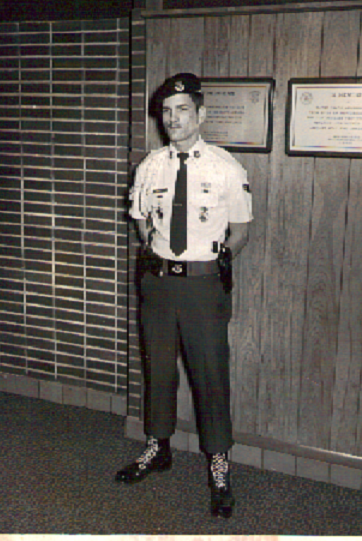
6960th • U.S. Air Force • 1982
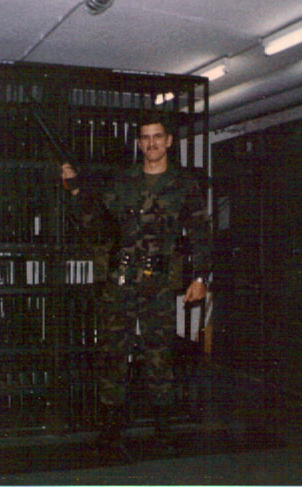
6913th • U.S. Air Force • 1983
6960th • U.S. Air Force • 1981

661st Air Force Band ( AFLC ) • U.S. Air Force • 1972