
Opening branch overview
Building the branch home surface
Loading branch highlights, featured unit context, and gallery moments.
Overview
Members
Units
Building the branch home surface
Loading branch highlights, featured unit context, and gallery moments.
Building the branch units surface
Loading unit filters, rankings, and the branch unit grid.

U.S. Air Force•36 members
Relive and share the memories of your service-time with your brothers and sisters in arms today. VetFriends.com can help you reconnect.
Did you proudly serve in the 67th TAC?
Are you looking for someone who is or was in the 67th TAC?
Do you have 67th TAC photos you'd like to share?
Then join a community with your brothers and sisters of the 67th TAC.
The 67th Tactical Reconnaissance Wing (67th TAC) was a distinguished unit of the United States Air Force, with its origins tracing back to World War II. Initially activated in 1943, it provided crucial aerial reconnaissance support during major campaigns in the European Theater. Reactivated during the Cold War, the unit was stationed in Japan and South Korea, where it played a vital role in intelligence gathering and surveillance throughout the Korean War and the tense years that followed. The 67th TAC’s dedication to tactical reconnaissance made it an integral part of U.S. and allied air operations in the Pacific region until its eventual inactivation.
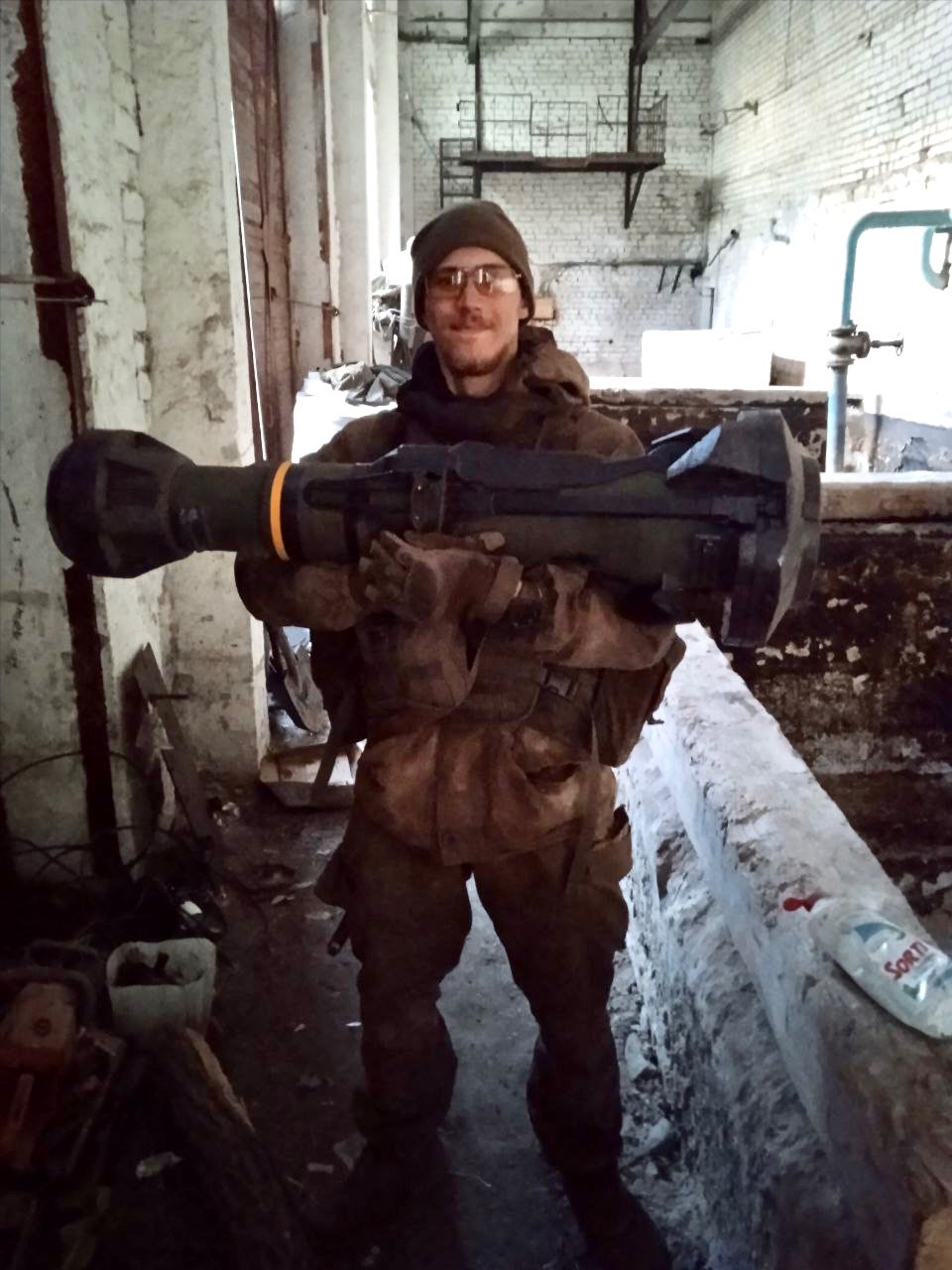
137th special ops wing • U.S. Air Force • 2022

U.S. Air Force

U.S. Air Force

U.S. Air Force