
Opening branch overview
Building the branch home surface
Loading branch highlights, featured unit context, and gallery moments.
Overview
Members
Units
Building the branch home surface
Loading branch highlights, featured unit context, and gallery moments.
Building the branch units surface
Loading unit filters, rankings, and the branch unit grid.

3 members•1 unit
Relive and share the memories of your service-time with your brothers and sisters in arms today. VetFriends.com can help you reconnect.
Did you proudly serve in the 64th Fighter Squadron?
Are you looking for someone who is or was in the 64th Fighter Squadron?
Do you have 64th Fighter Squadron photos you'd like to share?
Then join a community with your brothers and sisters of the 64th Fighter Squadron.
Branch
U.S. Air Force
Members
3
The **64th Fighter Squadron** was first activated in 1941 and distinguished itself during World War II, participating in key campaigns in the Mediterranean and European Theaters, including North Africa, Sicily, and Italy. Known as the "Fightin' Samurais," the squadron flew aircraft such as the P-40 Warhawk and P-47 Thunderbolt during the war. After several inactivations and reactivations, the 64th transitioned through various jet fighters and played an important adversary training role for the U.S. Air Force, notably at Nellis Air Force Base, Nevada. Today, the 64th Fighter Squadron operates the F-35A Lightning II, continuing its legacy as a premier combat and training unit.
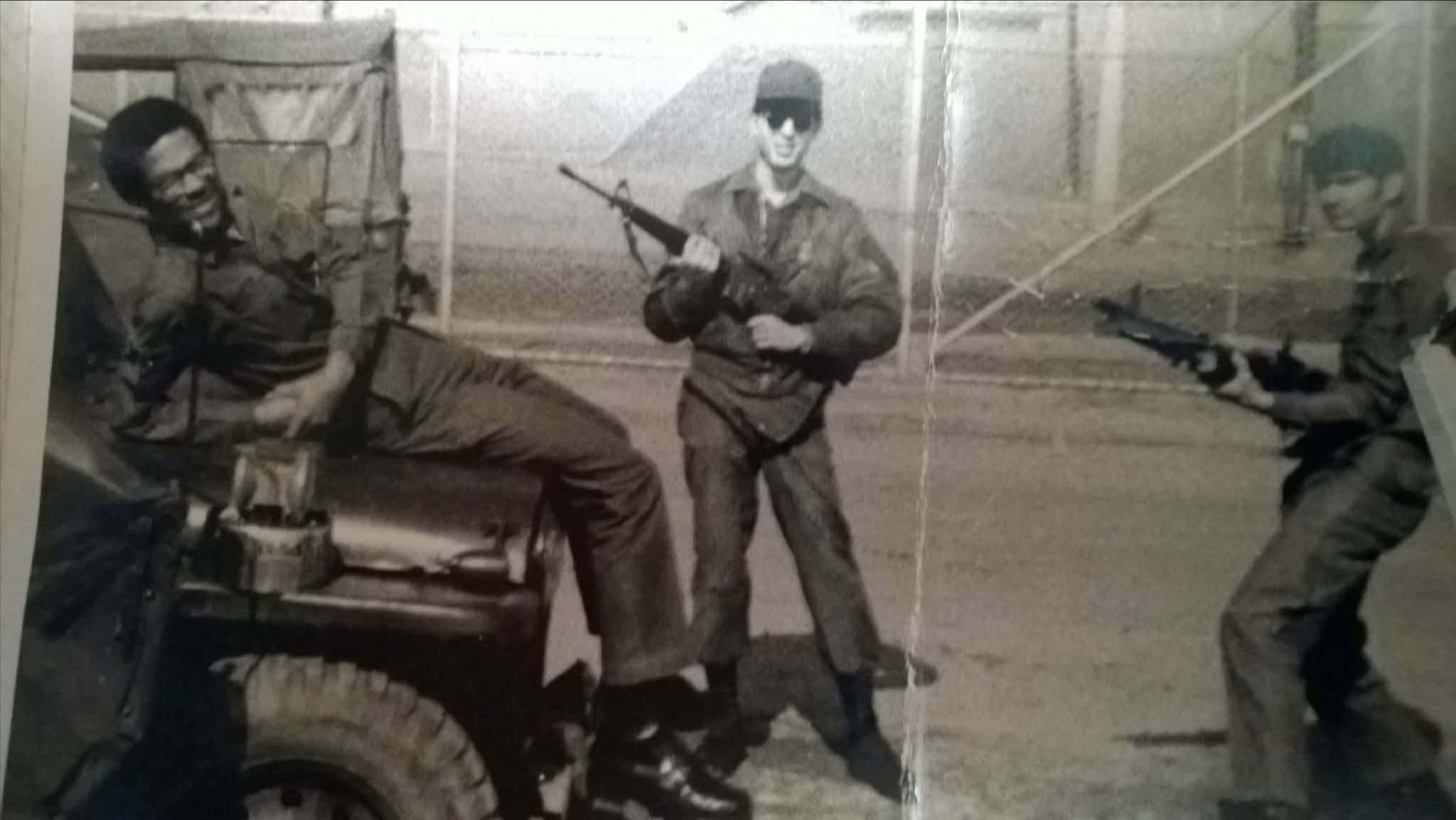
U.S. Air Force • 1972
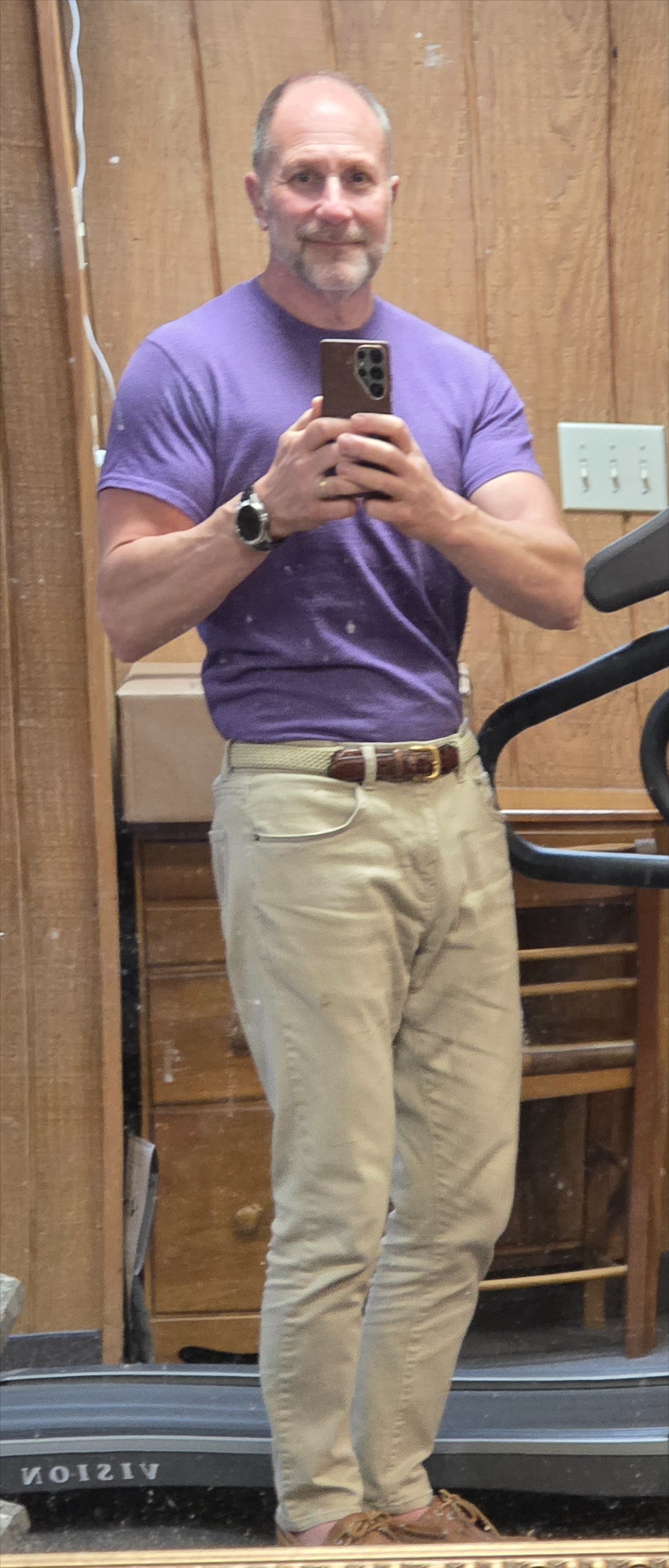
U.S. Air Force
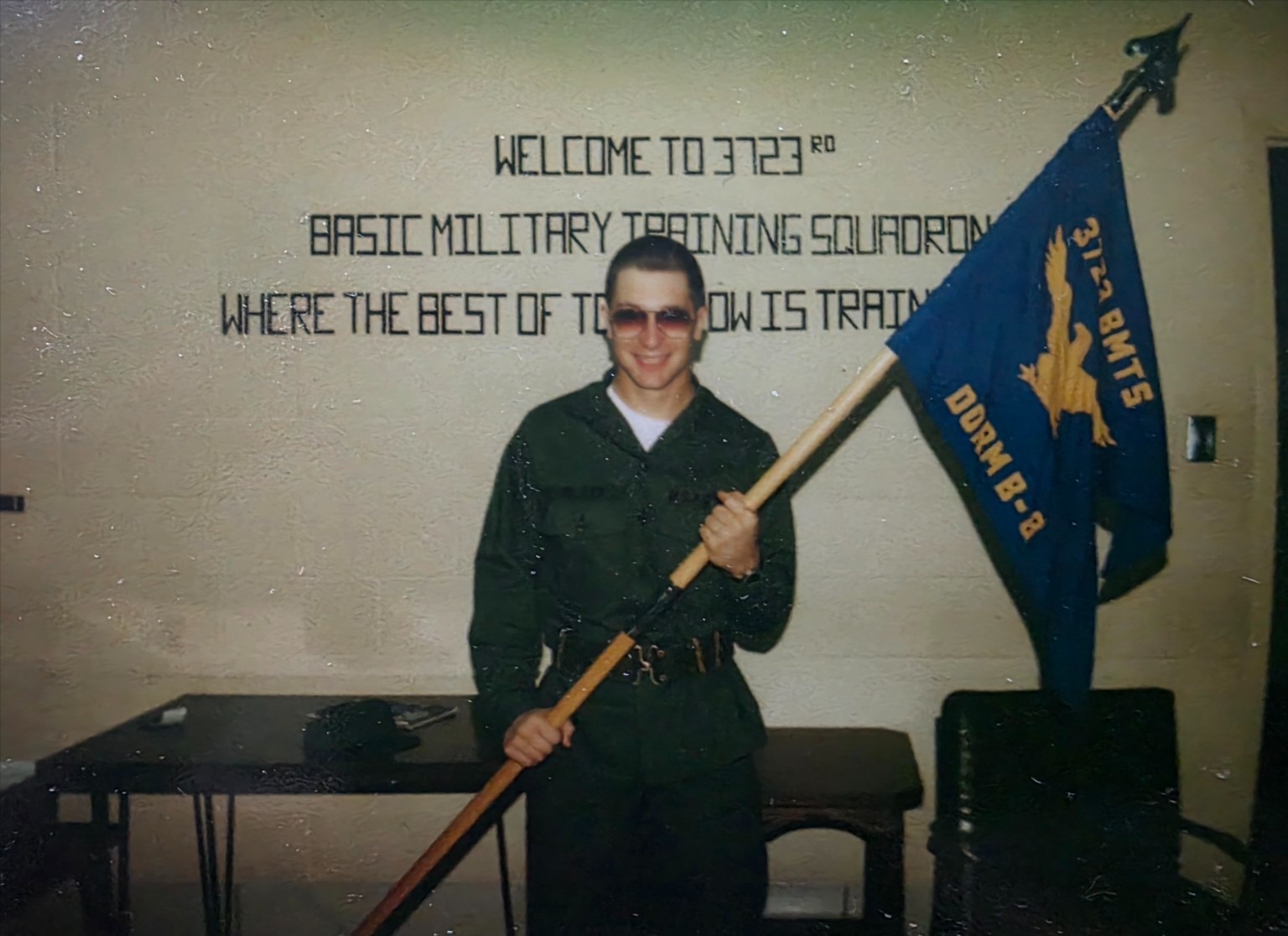
U.S. Air Force
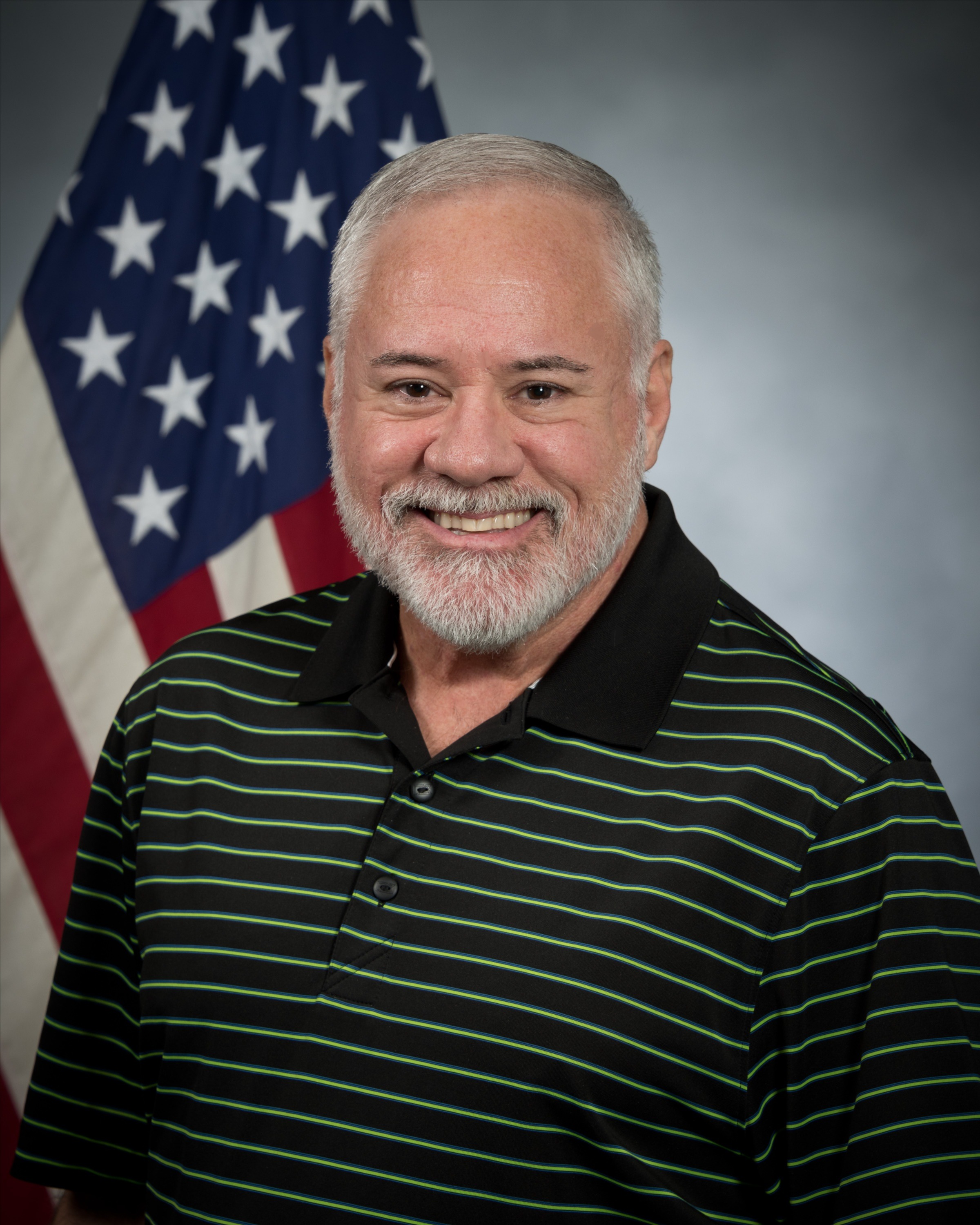
HQ Air University • U.S. Air Force • 2024