
Opening branch overview
Building the branch home surface
Loading branch highlights, featured unit context, and gallery moments.
Overview
Members
Units
Building the branch home surface
Loading branch highlights, featured unit context, and gallery moments.
Building the branch units surface
Loading unit filters, rankings, and the branch unit grid.

26 members•1 unit
Relive and share the memories of your service-time with your brothers and sisters in arms today. VetFriends.com can help you reconnect.
Did you proudly serve in the 615th ACW?
Are you looking for someone who is or was in the 615th ACW?
Do you have 615th ACW photos you'd like to share?
Then join a community with your brothers and sisters of the 615th ACW.
Branch
U.S. Air Force
Members
26
The 615th Aircraft Control and Warning Squadron (615th AC&W Sq) was activated in 1948 as part of the United States Air Force's early Cold War air defense network. Stationed at several sites, including Colville Air Force Station in Washington, the unit was responsible for operating radar systems to detect and track potential aerial threats to North American airspace. The 615th played a vital role in the Air Defense Command’s mission, providing early warning and ground-controlled interception guidance during a period of heightened tensions with the Soviet Union. The squadron was inactivated in 1960 as technological advancements and restructuring led to the consolidation of air defense assets.
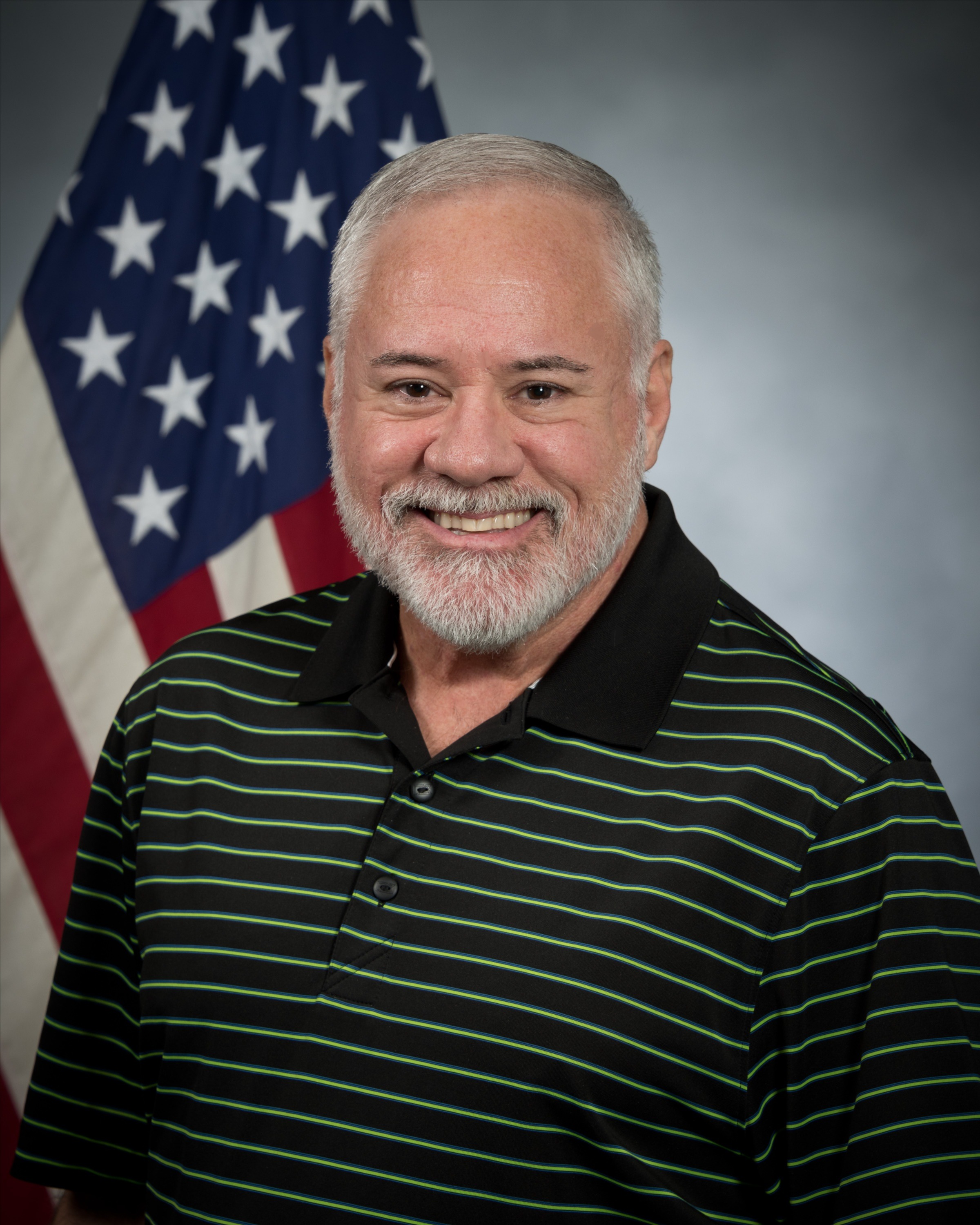
HQ Air University • U.S. Air Force • 2024
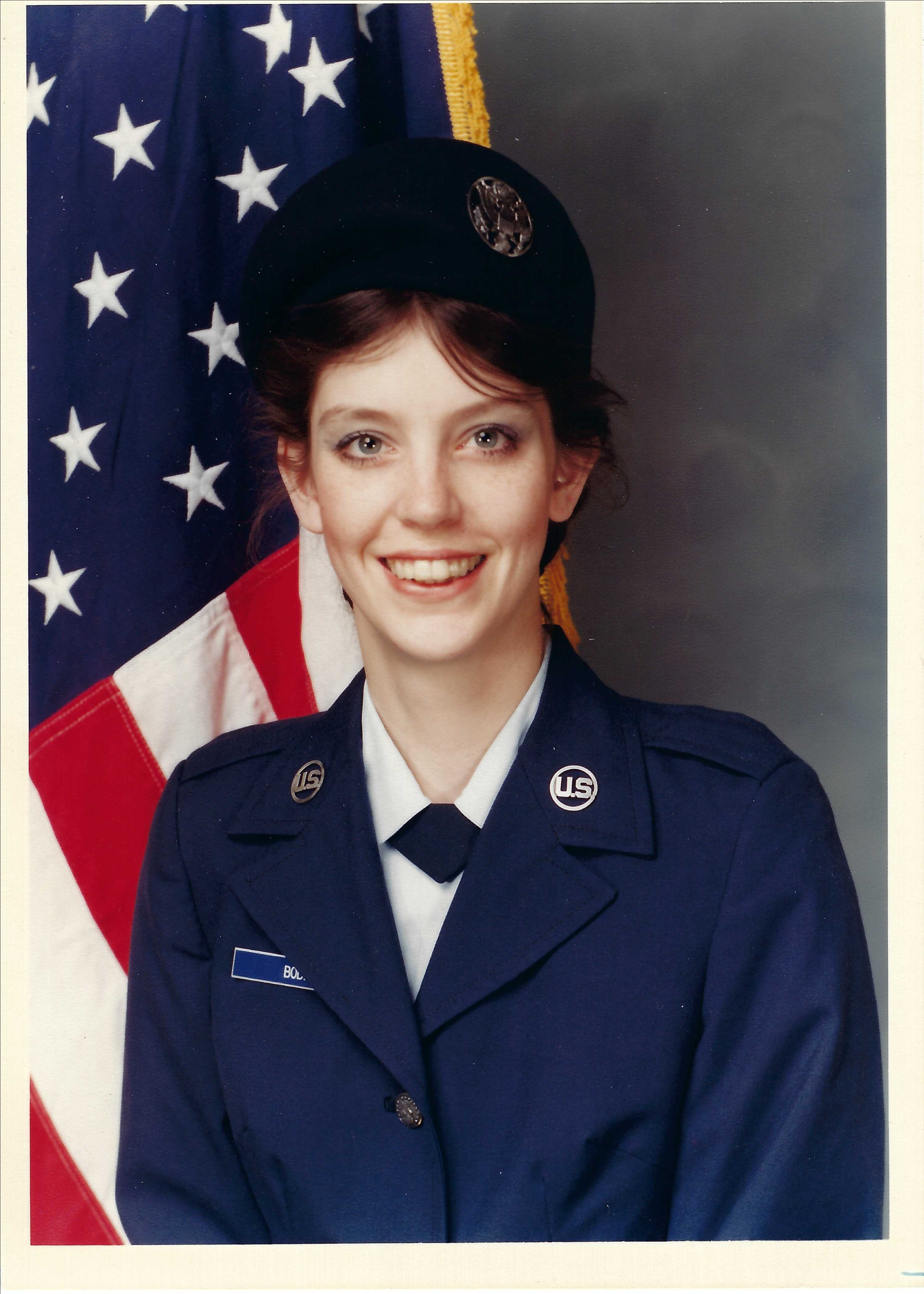
U.S. Air Force • 1982
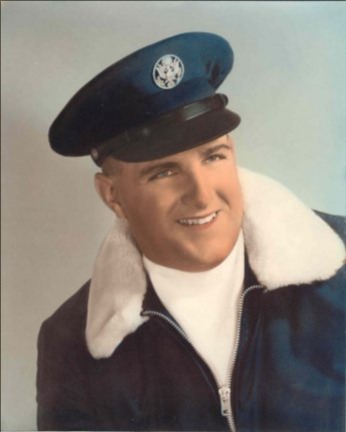
3333 BMTS, Amarillo AFB • U.S. Air Force • 1967
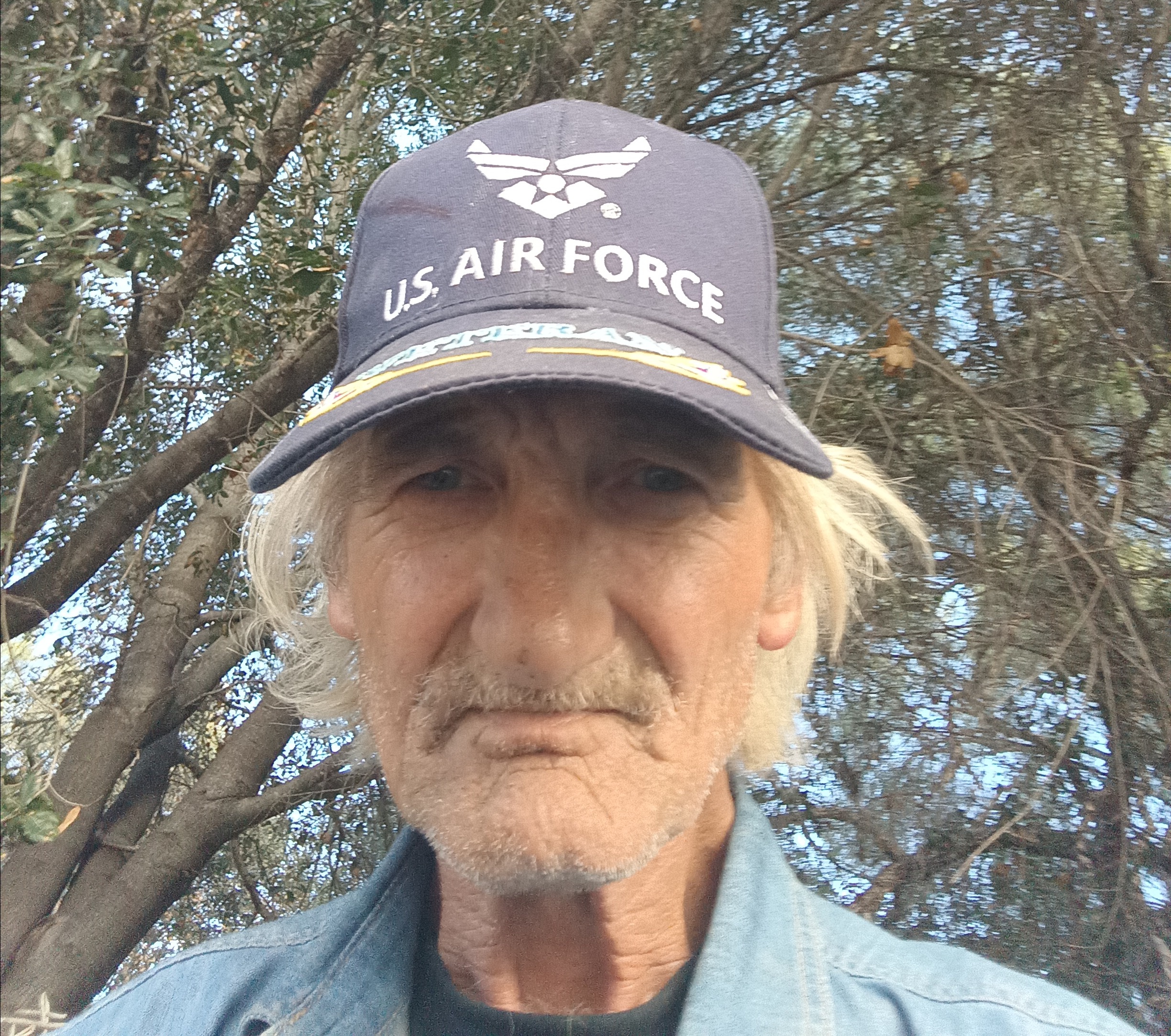
U.S. Air Force