
Opening branch overview
Building the branch home surface
Loading branch highlights, featured unit context, and gallery moments.
Overview
Members
Units
Building the branch home surface
Loading branch highlights, featured unit context, and gallery moments.
Building the branch units surface
Loading unit filters, rankings, and the branch unit grid.

1 members•1 unit
Relive and share the memories of your service-time with your brothers and sisters in arms today. VetFriends.com can help you reconnect.
Did you proudly serve in the 565th SMS?
Are you looking for someone who is or was in the 565th SMS?
Do you have 565th SMS photos you'd like to share?
Then join a community with your brothers and sisters of the 565th SMS.
Branch
U.S. Air Force
Members
1
The 565th Strategic Missile Squadron (SMS) was an intercontinental ballistic missile unit of the United States Air Force. Activated in 1961 at Francis E. Warren Air Force Base, Wyoming, the squadron operated LGM-30B Minuteman I missiles as part of the nation’s nuclear deterrence strategy during the Cold War. The 565th SMS maintained a high level of readiness until it was inactivated in 1965 as the Air Force modernized its missile forces and reorganized its strategic assets. Throughout its brief but significant existence, the squadron contributed to the United States’ strategic deterrent posture during a critical period of superpower tensions.
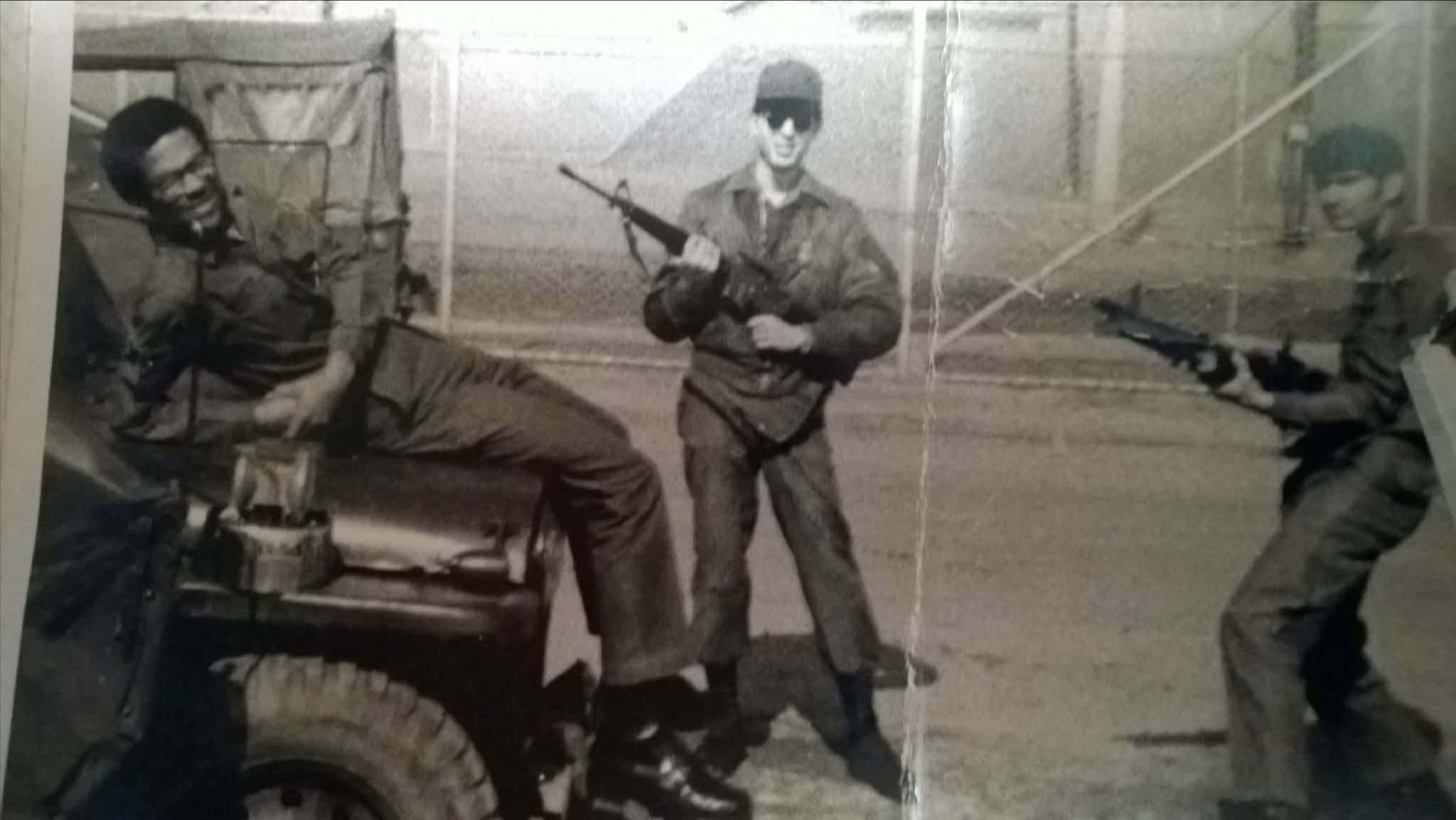
U.S. Air Force • 1972

U.S. Air Force
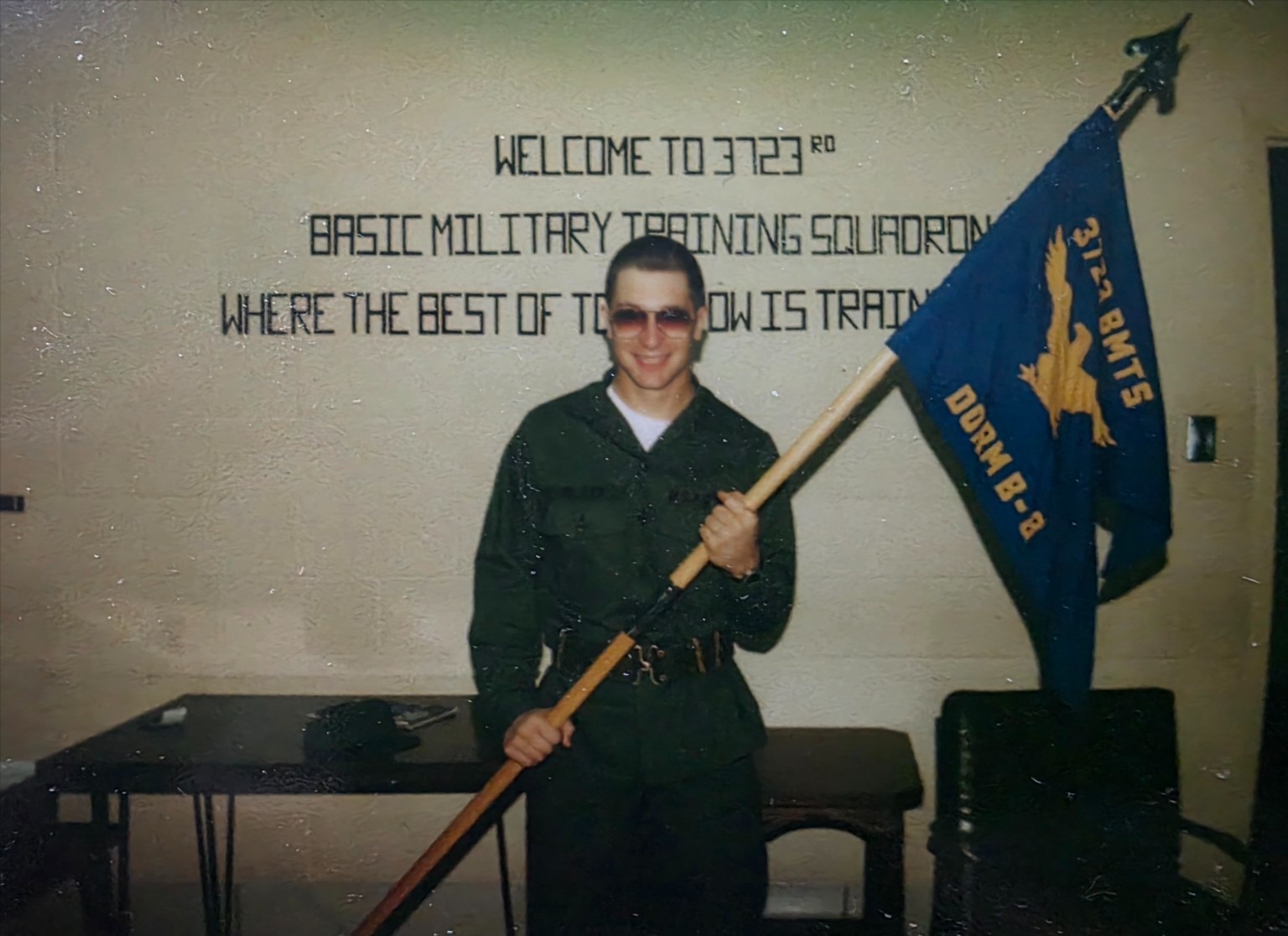
U.S. Air Force

HQ Air University • U.S. Air Force • 2024