
Opening branch overview
Building the branch home surface
Loading branch highlights, featured unit context, and gallery moments.
Overview
Members
Units
Building the branch home surface
Loading branch highlights, featured unit context, and gallery moments.
Building the branch units surface
Loading unit filters, rankings, and the branch unit grid.

U.S. Air Force•2 members
Relive and share the memories of your service-time with your brothers and sisters in arms today. VetFriends.com can help you reconnect.
Did you proudly serve in the 5099th CEOS?
Are you looking for someone who is or was in the 5099th CEOS?
Do you have 5099th CEOS photos you'd like to share?
Then join a community with your brothers and sisters of the 5099th CEOS.
The 5099th Civil Engineer Operations Squadron (CEOS) was a United States Air Force unit active primarily during the Cold War era. Stationed at various locations, the squadron provided critical engineering, construction, and base support services, often in remote or strategically significant areas. The 5099th CEOS played a vital role in building and maintaining infrastructure for Air Force operations, including airfields, radar sites, and support facilities, particularly in Arctic and subarctic regions such as Alaska. Their work ensured operational readiness and enhanced the USAF's ability to project power and maintain deterrence during a tense period of global competition.
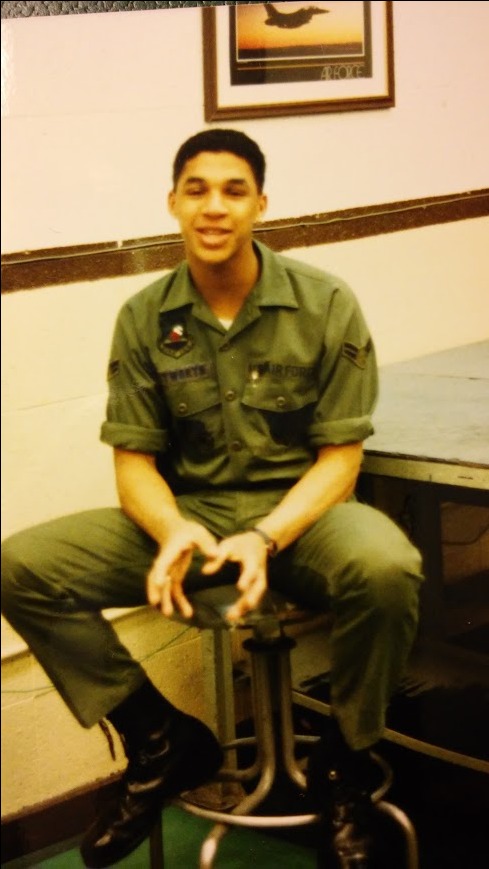
U.S. Air Force • 1987
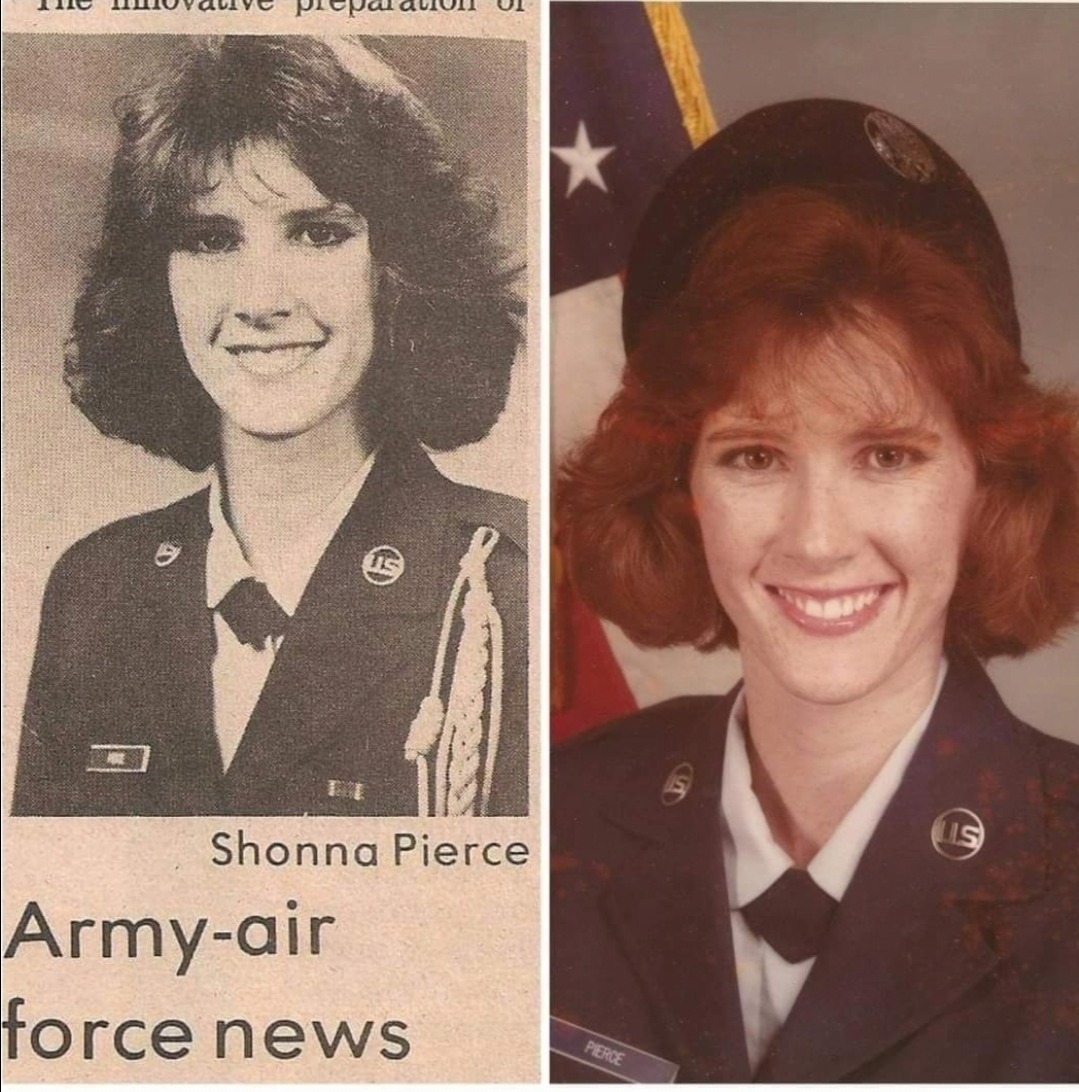
U.S. Air Force
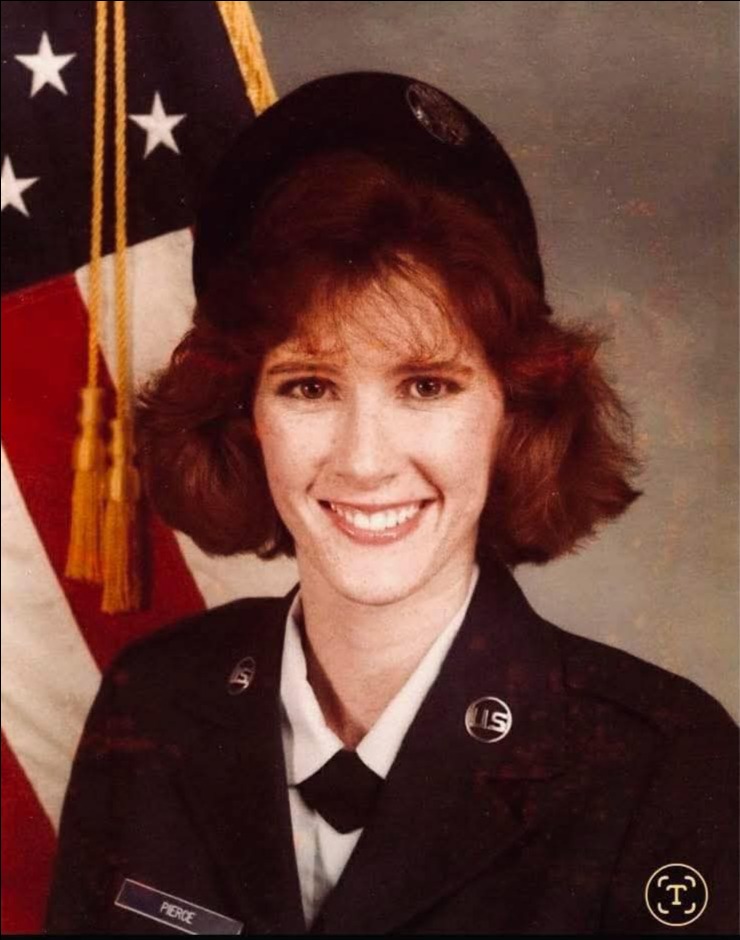
U.S. Air Force

U.S. Air Force • 2026