
Opening branch overview
Building the branch home surface
Loading branch highlights, featured unit context, and gallery moments.
Overview
Members
Units
Building the branch home surface
Loading branch highlights, featured unit context, and gallery moments.
Building the branch units surface
Loading unit filters, rankings, and the branch unit grid.

37 members•1 unit
Relive and share the memories of your service-time with your brothers and sisters in arms today. VetFriends.com can help you reconnect.
Did you proudly serve in the 457 Tactical Airlift SQ Cam Ranh Bay?
Are you looking for someone who is or was in the 457 Tactical Airlift SQ Cam Ranh Bay?
Do you have 457 Tactical Airlift SQ Cam Ranh Bay photos you'd like to share?
Then join a community with your brothers and sisters of the 457 Tactical Airlift SQ Cam Ranh Bay.
Branch
U.S. Air Force
Members
37
The 457th Tactical Airlift Squadron was a United States Air Force unit stationed at Cam Ranh Bay Air Base, South Vietnam, during the Vietnam War. Activated in 1966, the squadron operated C-7 Caribou aircraft, specializing in short takeoff and landing (STOL) missions to deliver troops, supplies, and evacuate casualties from remote and often hazardous airstrips throughout South Vietnam. The 457th played a crucial role in supporting Army and Marine units, frequently flying into contested areas under fire. The squadron continued its airlift operations until its inactivation in 1972, following the gradual drawdown of U.S. forces in Vietnam.
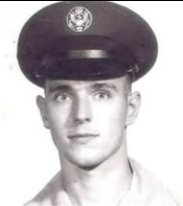
661st Air Force Band ( AFLC ) • U.S. Air Force • 1972
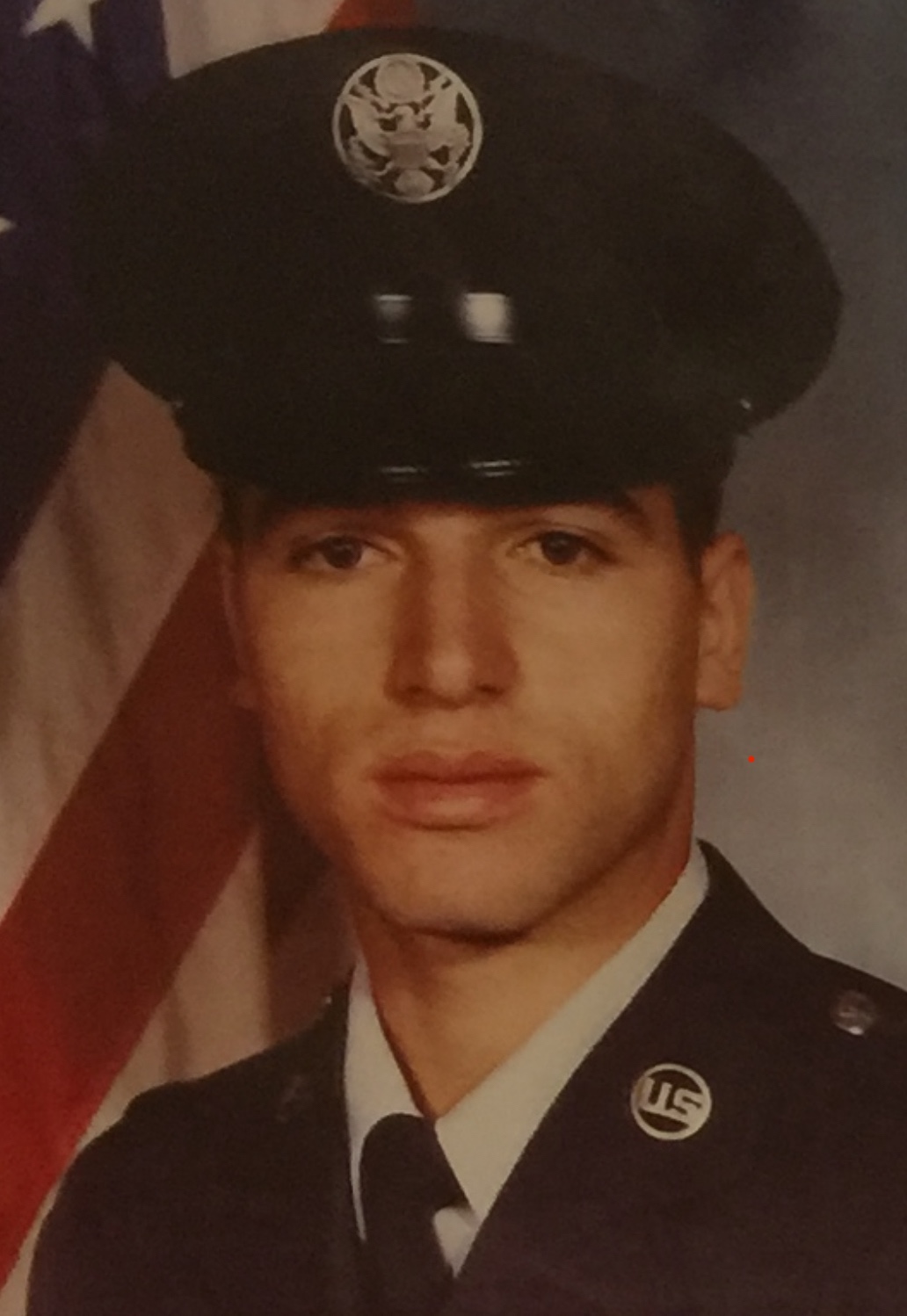
2153 • U.S. Air Force • 1981
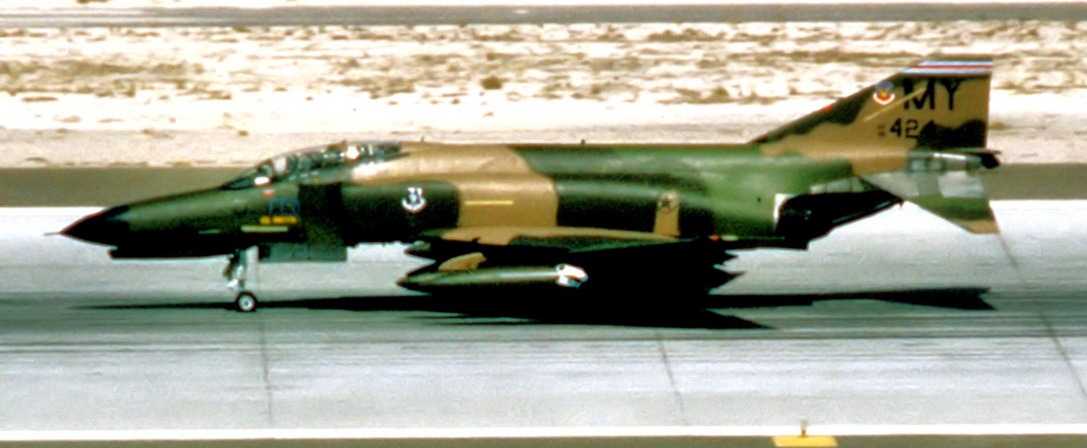
68th AGS • U.S. Air Force • 1976
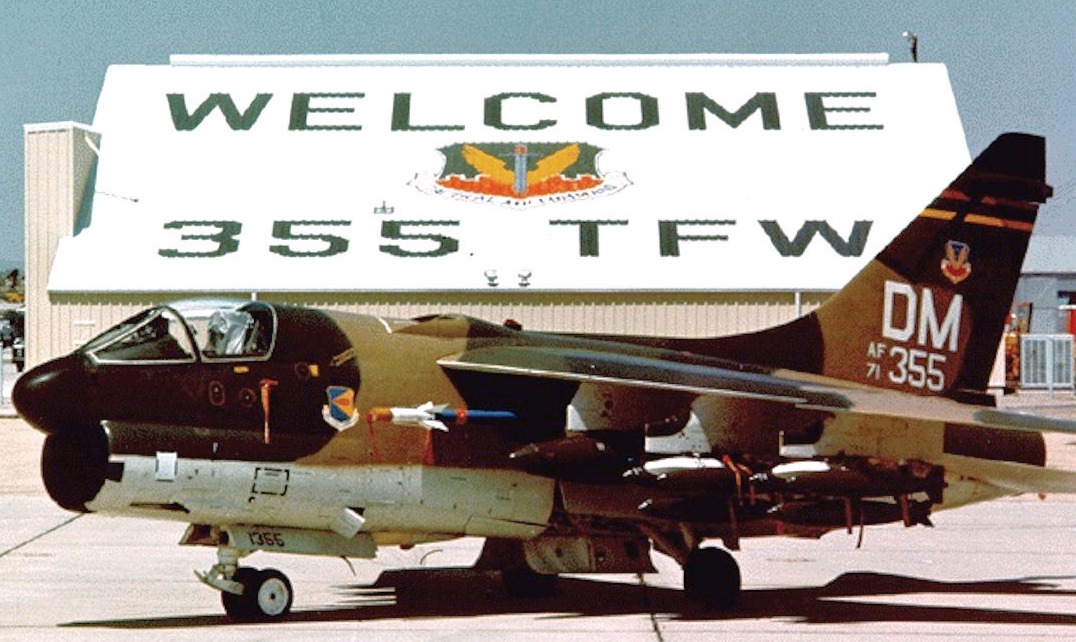
355th AMS • U.S. Air Force • 1974