
Opening branch overview
Building the branch home surface
Loading branch highlights, featured unit context, and gallery moments.
Overview
Members
Units
Building the branch home surface
Loading branch highlights, featured unit context, and gallery moments.
Building the branch units surface
Loading unit filters, rankings, and the branch unit grid.

U.S. Air Force•42 members
Relive and share the memories of your service-time with your brothers and sisters in arms today. VetFriends.com can help you reconnect.
Did you proudly serve in the 4449th MOBSS?
Are you looking for someone who is or was in the 4449th MOBSS?
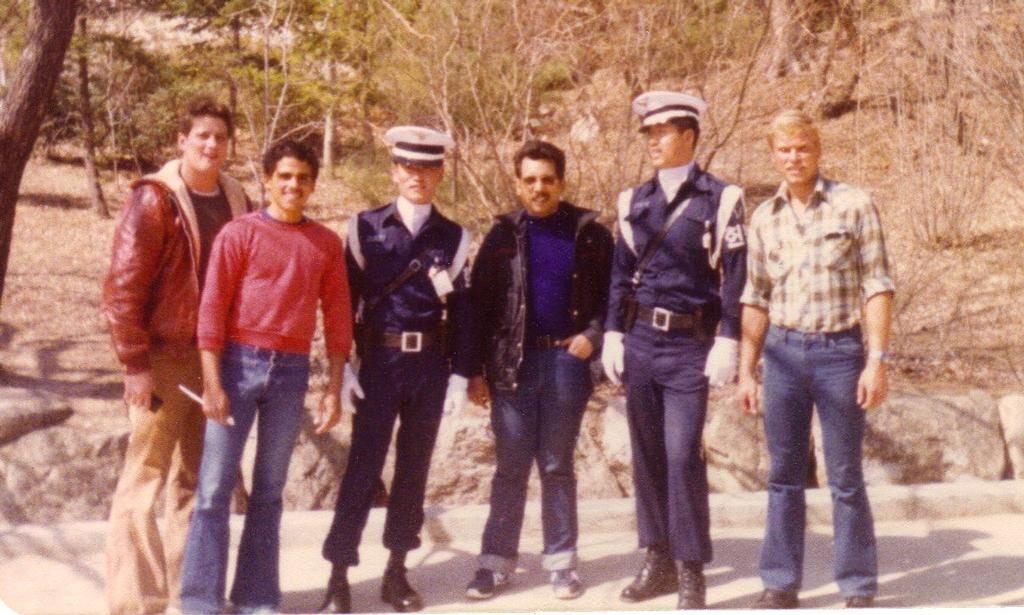
Do you have 4449th MOBSS photos you'd like to share?
Then join a community with your brothers and sisters of the 4449th MOBSS.
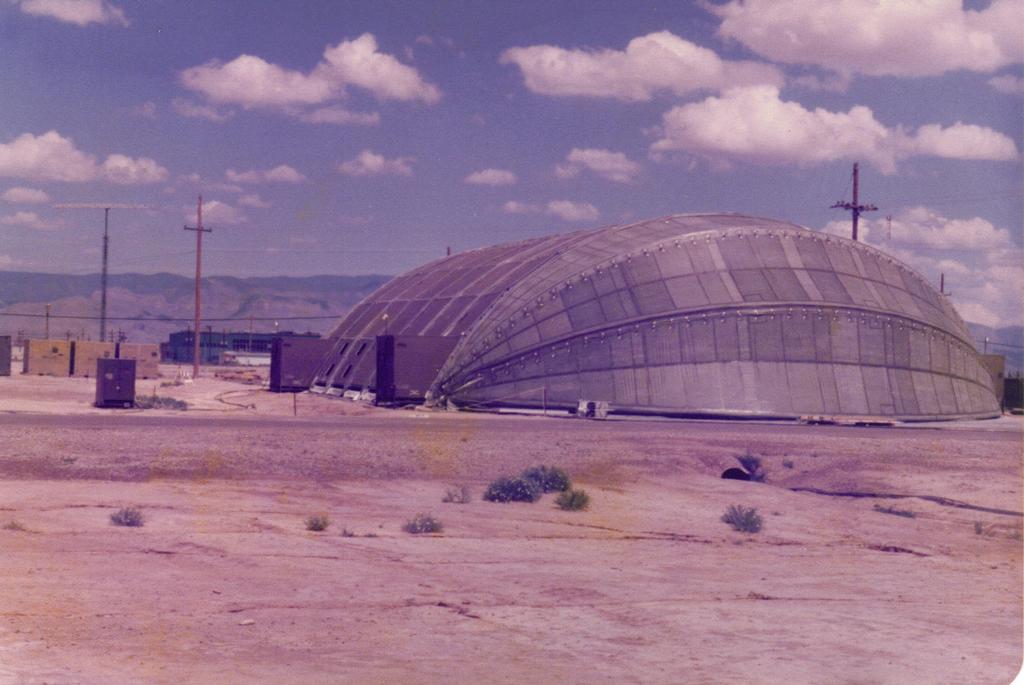
The **4449th Mobility Support Squadron (MOBSS)** was a United States Air Force unit primarily tasked with providing comprehensive mobility, logistics, and support services for airlift operations. Activated during the Cold War era, the squadron played a crucial role in enabling rapid deployment and sustainment of Air Force assets during both peacetime operations and contingency missions. The 4449th MOBSS was known for its expertise in aerial port operations, cargo handling, and passenger processing, frequently supporting large-scale exercises and real-world deployments. Over time, its mission and personnel were absorbed into other mobility support organizations as the Air Force reorganized its logistics and support structure.

U.S. Air Force

U.S. Air Force
U.S. Air Force
U.S. Air Force