
Opening branch overview
Building the branch home surface
Loading branch highlights, featured unit context, and gallery moments.
Overview
Members
Units
Building the branch home surface
Loading branch highlights, featured unit context, and gallery moments.
Building the branch units surface
Loading unit filters, rankings, and the branch unit grid.

27 members•1 unit
Relive and share the memories of your service-time with your brothers and sisters in arms today. VetFriends.com can help you reconnect.
Did you proudly serve in the 43rd Bomb Wing?
Are you looking for someone who is or was in the 43rd Bomb Wing?
Do you have 43rd Bomb Wing photos you'd like to share?
Then join a community with your brothers and sisters of the 43rd Bomb Wing.
Branch
U.S. Air Force
Members
27
The 43rd Bomb Wing was originally established as the 43rd Bombardment Wing in August 1947, inheriting the legacy of the 43rd Bombardment Group, a distinguished unit from World War II. During the Cold War, the wing operated strategic bombers such as the B-29 Superfortress and later the B-47 Stratojet, playing a vital role in America’s nuclear deterrence strategy under Strategic Air Command. The wing participated in numerous training missions and readiness exercises, maintaining a high level of combat preparedness throughout its history. Eventually, the wing was redesignated and its mission evolved, but its legacy as a key component of U.S. Air Force strategic bombing capabilities remains significant.
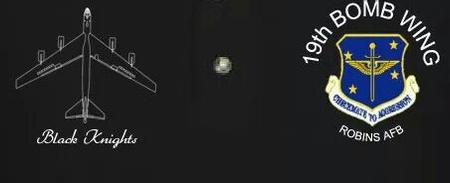
19TH BOMB WING • U.S. Air Force • 1965
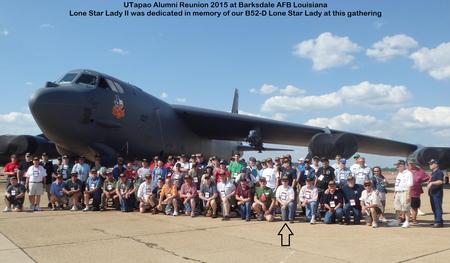
UTapao Alumni Assoc Reunion • U.S. Air Force • 2015
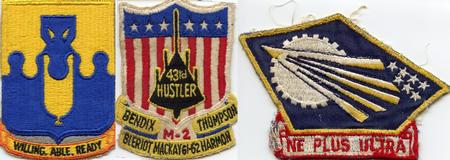
43rd Bomb Wing • U.S. Air Force • 1966
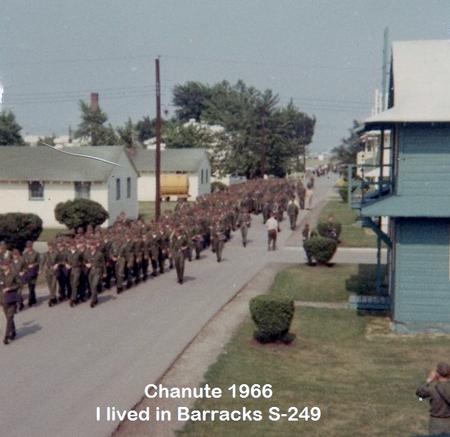
19TH BOMB WING • U.S. Air Force • 1965