
Opening branch overview
Building the branch home surface
Loading branch highlights, featured unit context, and gallery moments.
Overview
Members
Units
Building the branch home surface
Loading branch highlights, featured unit context, and gallery moments.
Building the branch units surface
Loading unit filters, rankings, and the branch unit grid.

22 members•1 unit
Relive and share the memories of your service-time with your brothers and sisters in arms today. VetFriends.com can help you reconnect.
Did you proudly serve in the 4392nd Aerospace Support Group (SAC)?
Are you looking for someone who is or was in the 4392nd Aerospace Support Group (SAC)?
Do you have 4392nd Aerospace Support Group (SAC) photos you'd like to share?
Then join a community with your brothers and sisters of the 4392nd Aerospace Support Group (SAC).
Branch
U.S. Air Force
Members
22
The **4392nd Aerospace Support Group (SAC)** was an organizational unit of the United States Air Force, established in 1962 at Vandenberg Air Force Base, California. Assigned to Strategic Air Command (SAC), the group provided essential support to missile and space operations, including maintenance, logistics, and facility management for intercontinental ballistic missile (ICBM) and space launch activities. The 4392nd played a key role during the early years of the United States' strategic missile and space programs, supporting both training and operational missions. The group was inactivated in 1966 and its responsibilities were absorbed by the 4392nd Aerospace Support Wing.
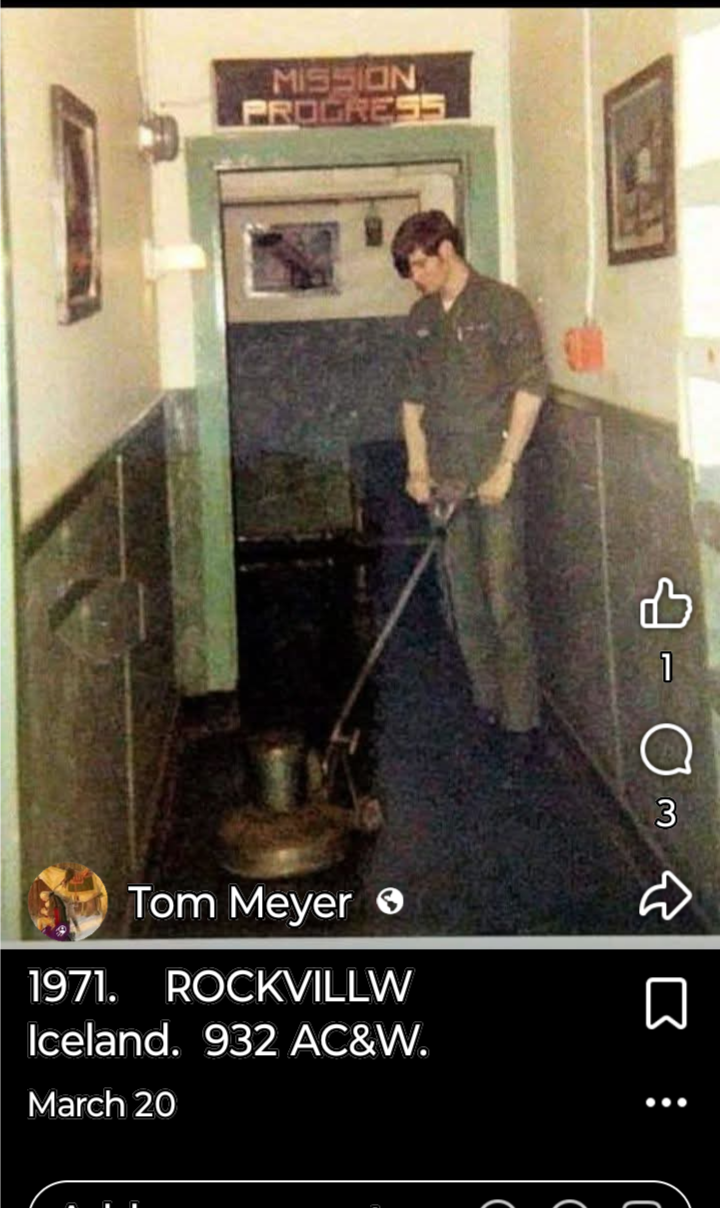
U.S. Air Force • 1971
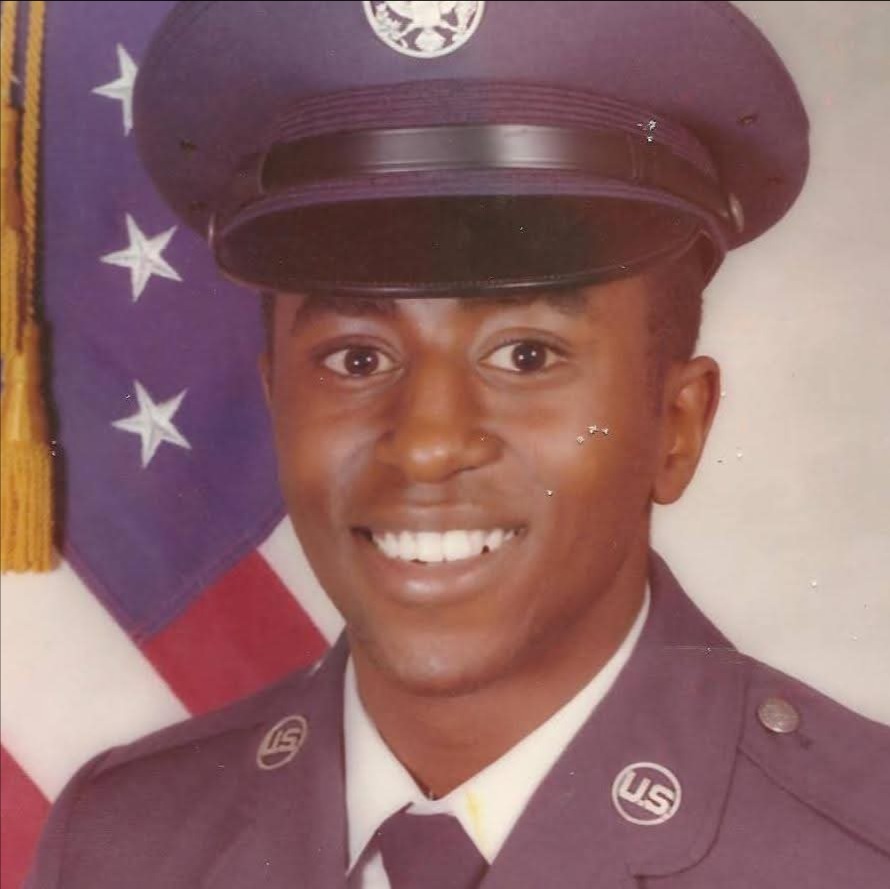
U.S. Air Force
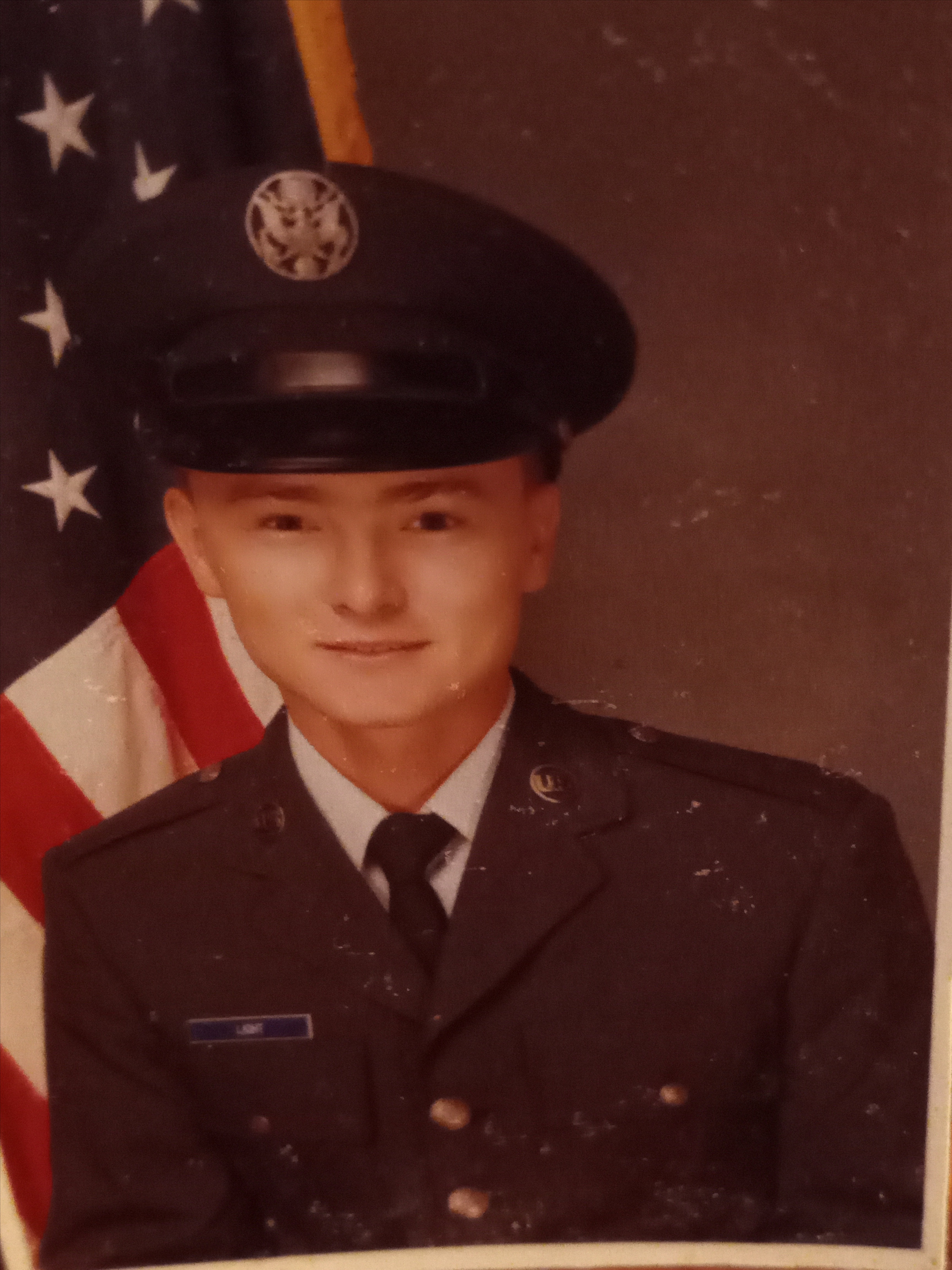
U.S. Air Force
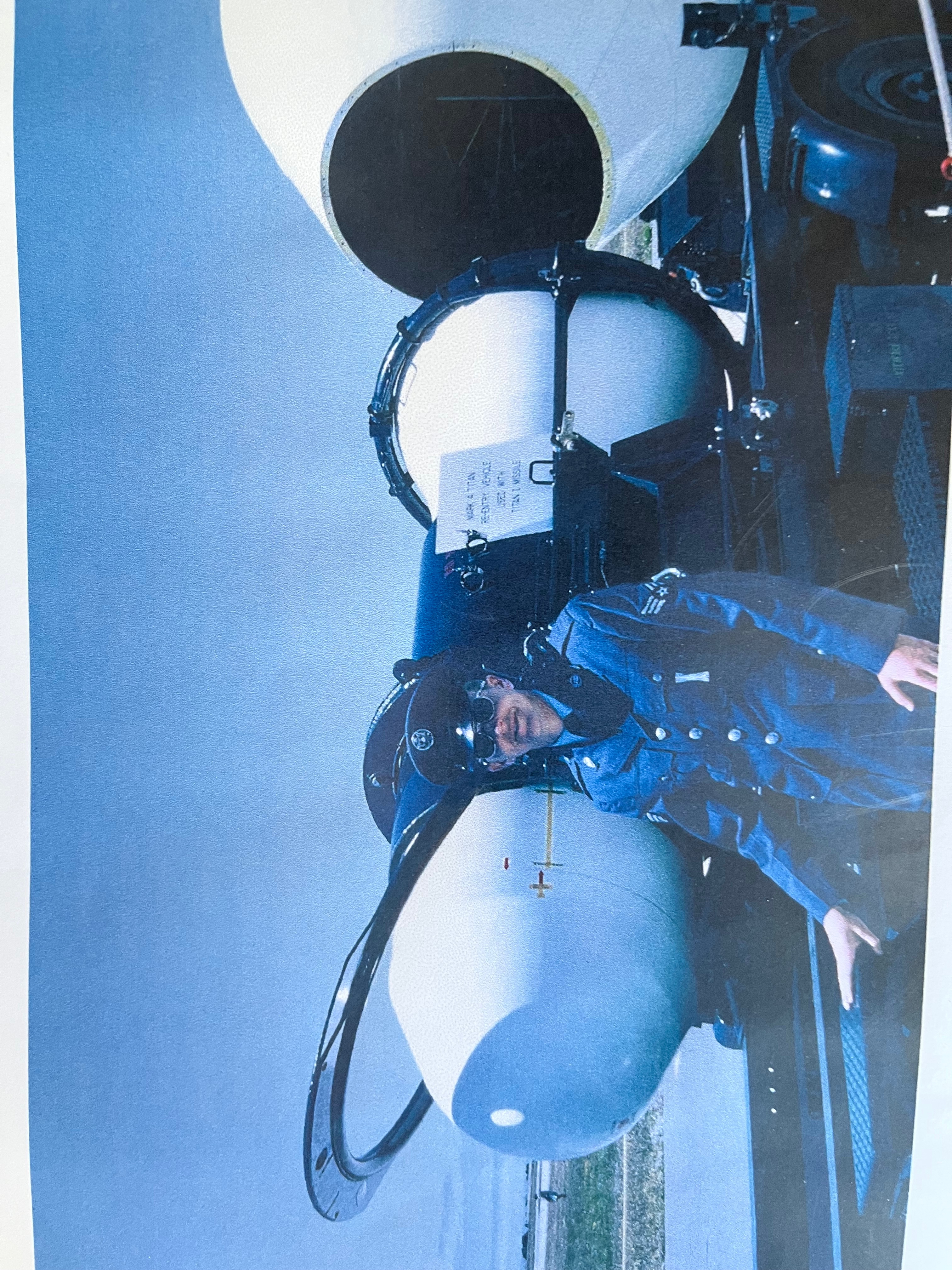
51st MMS (SAC) • U.S. Air Force • 1963