
Opening branch overview
Building the branch home surface
Loading branch highlights, featured unit context, and gallery moments.
Overview
Members
Units
Building the branch home surface
Loading branch highlights, featured unit context, and gallery moments.
Building the branch units surface
Loading unit filters, rankings, and the branch unit grid.

39 members•1 unit
Relive and share the memories of your service-time with your brothers and sisters in arms today. VetFriends.com can help you reconnect.
Did you proudly serve in the 432nd Wing?
Are you looking for someone who is or was in the 432nd Wing?
Do you have 432nd Wing photos you'd like to share?
Then join a community with your brothers and sisters of the 432nd Wing.
Branch
U.S. Air Force
Members
39
The 432nd Wing, originally activated as the 432nd Observation Group in 1943, has a distinguished history within the United States Air Force. Over the decades, it has undergone several redesignations and mission changes, including service in Vietnam as a tactical reconnaissance and fighter wing. In 2007, the unit was reactivated at Creech Air Force Base, Nevada, as the 432nd Wing, becoming the first U.S. Air Force unit dedicated solely to unmanned aerial vehicle (UAV) operations. Today, the 432nd Wing operates MQ-9 Reaper and RQ-170 Sentinel drones, providing intelligence, surveillance, reconnaissance, and precision strike capabilities in support of U.S. and allied operations worldwide.
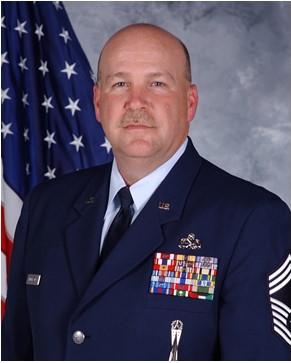
U.S. Air Force
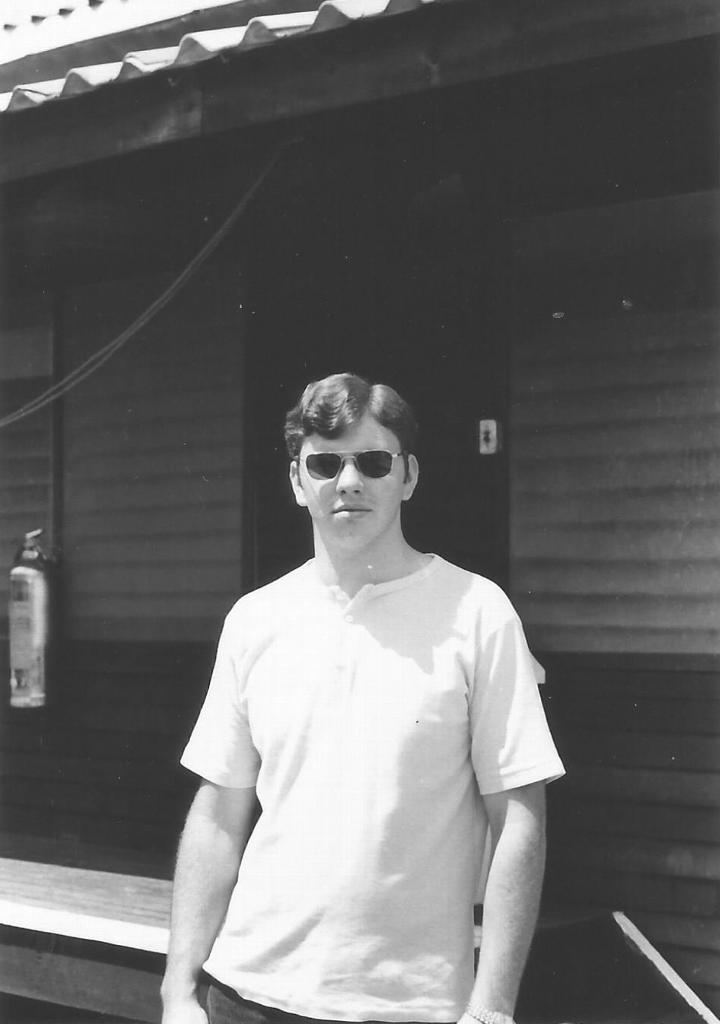
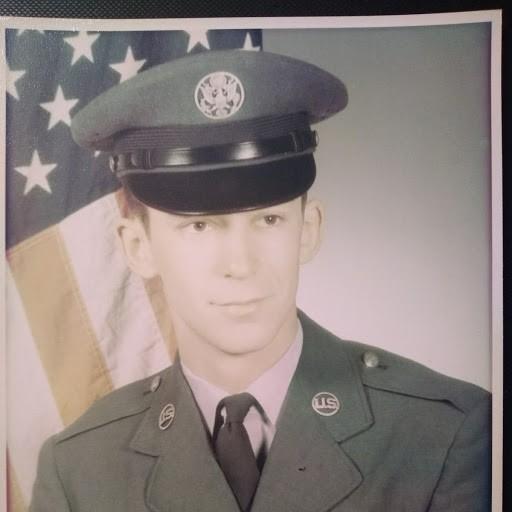
U.S. Air Force