
Opening branch overview
Building the branch home surface
Loading branch highlights, featured unit context, and gallery moments.
Overview
Members
Units
Building the branch home surface
Loading branch highlights, featured unit context, and gallery moments.
Building the branch units surface
Loading unit filters, rankings, and the branch unit grid.

11 members•1 unit
Relive and share the memories of your service-time with your brothers and sisters in arms today. VetFriends.com can help you reconnect.
Did you proudly serve in the 40th ARRS Udorn:NKP?
Are you looking for someone who is or was in the 40th ARRS Udorn:NKP?
Do you have 40th ARRS Udorn:NKP photos you'd like to share?
Then join a community with your brothers and sisters of the 40th ARRS Udorn:NKP.
Branch
U.S. Air Force
Members
11
The 40th Aerospace Rescue and Recovery Squadron (ARRS) was a distinguished United States Air Force unit active during the Vietnam War. Stationed at Udorn Royal Thai Air Force Base and later at Nakhon Phanom (NKP), Thailand, the 40th ARRS conducted combat search and rescue (CSAR) missions across Southeast Asia from the mid-1960s into the 1970s. Flying primarily HH-53 "Super Jolly Green Giant" helicopters, the squadron rescued downed airmen behind enemy lines, often under heavy fire. Their courageous efforts earned the unit several commendations and helped save hundreds of lives during some of the war’s most perilous operations.
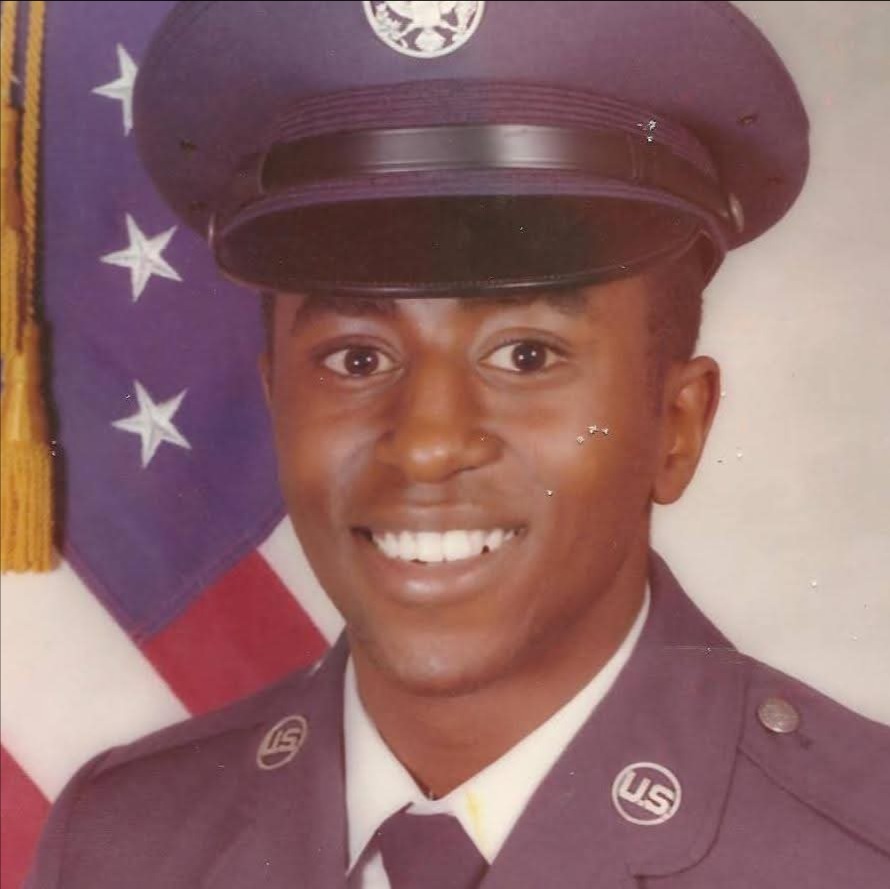
U.S. Air Force
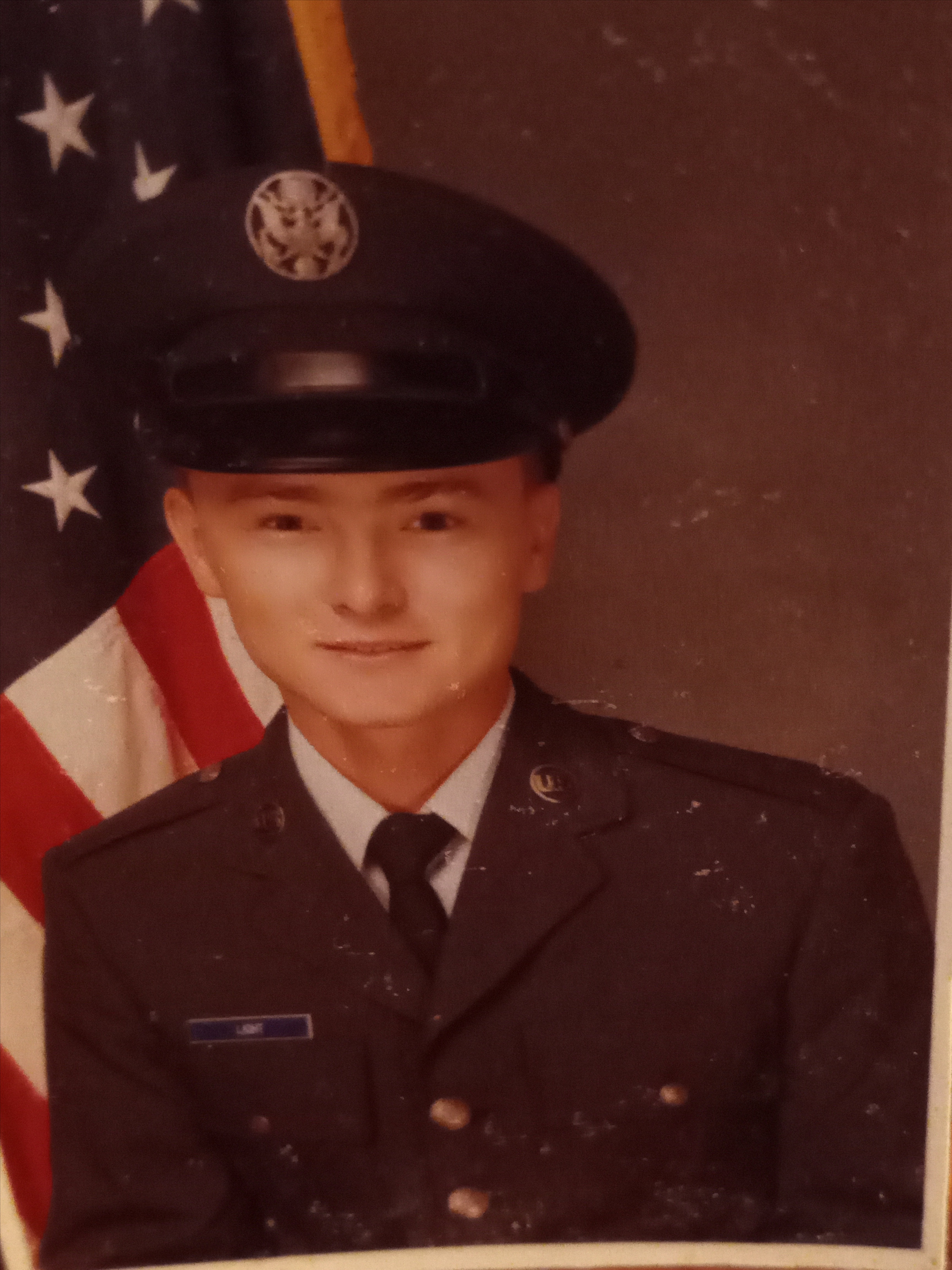
U.S. Air Force
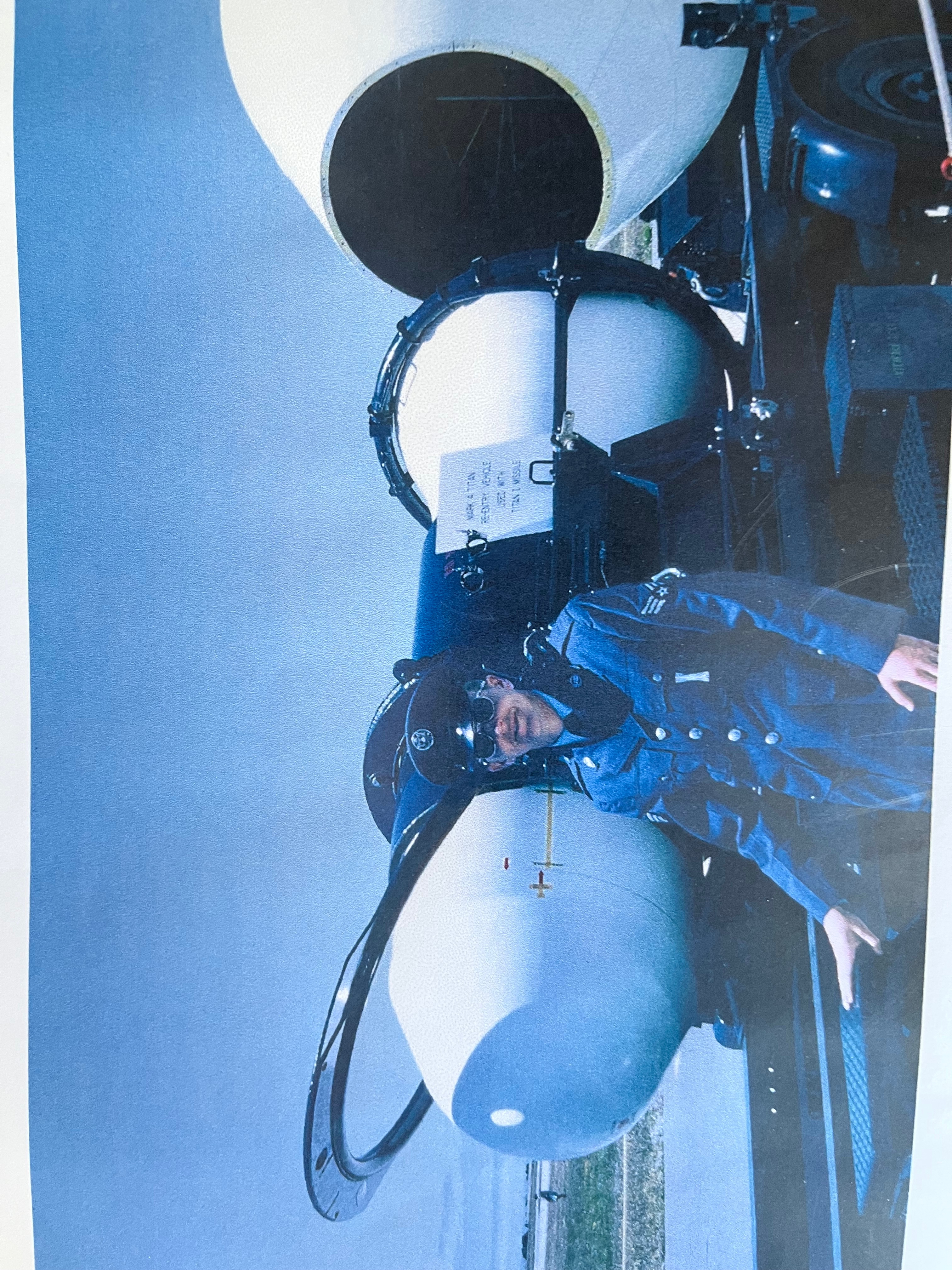
51st MMS (SAC) • U.S. Air Force • 1963
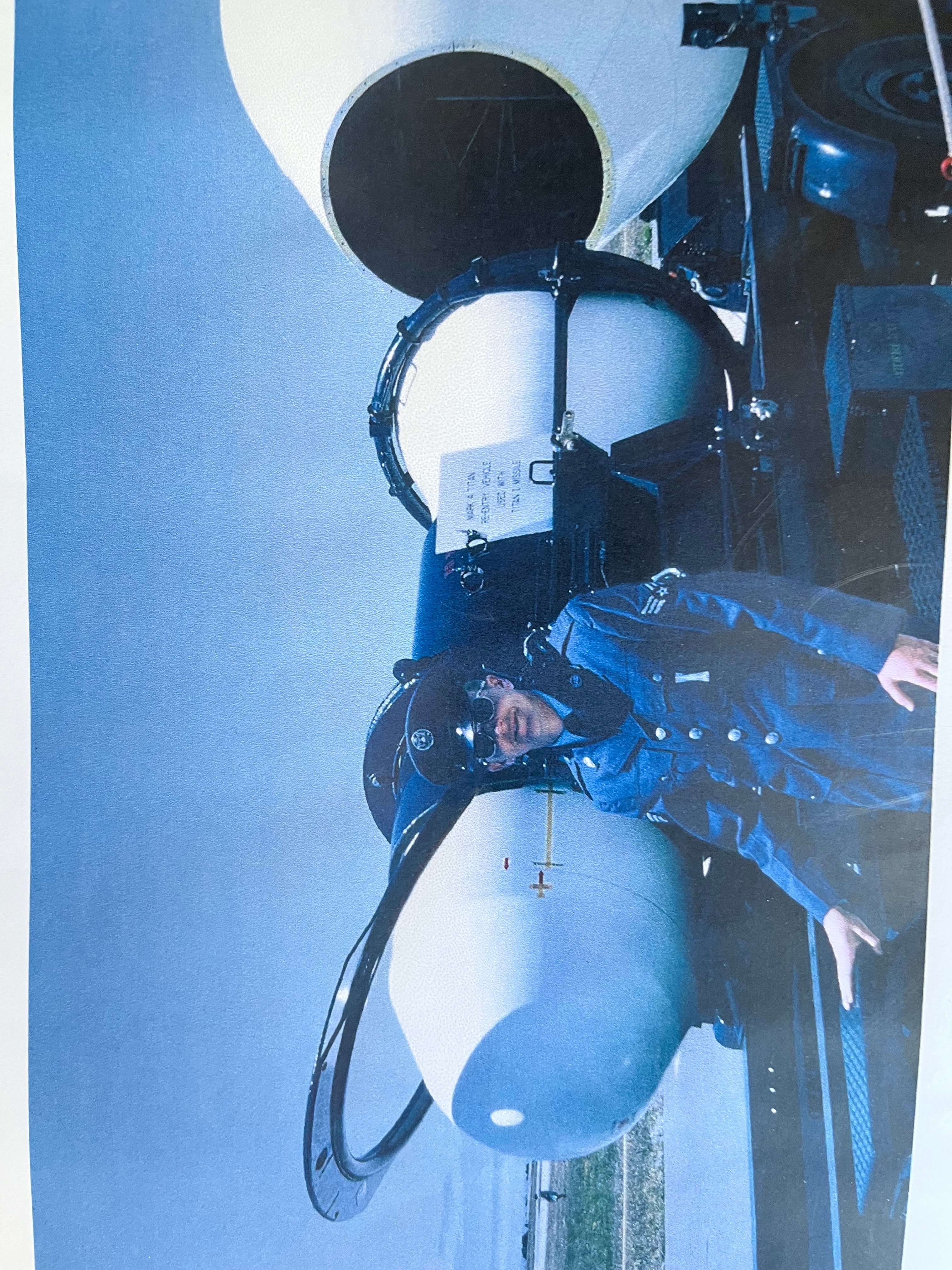
U.S. Air Force