
Opening branch overview
Building the branch home surface
Loading branch highlights, featured unit context, and gallery moments.
Overview
Members
Units
Building the branch home surface
Loading branch highlights, featured unit context, and gallery moments.
Building the branch units surface
Loading unit filters, rankings, and the branch unit grid.

5 members•1 unit
Relive and share the memories of your service-time with your brothers and sisters in arms today. VetFriends.com can help you reconnect.
Did you proudly serve in the 37th Bomb Squadron?
Are you looking for someone who is or was in the 37th Bomb Squadron?
Do you have 37th Bomb Squadron photos you'd like to share?
Then join a community with your brothers and sisters of the 37th Bomb Squadron.
Branch
U.S. Air Force
Members
5
The 37th Bomb Squadron, originally activated in 1917, is one of the oldest bomber units in the United States Air Force. It participated in World War I and later distinguished itself in World War II, flying B-17 Flying Fortress missions in the European Theater. During the Cold War, the squadron operated various strategic bombers, including the B-47 Stratojet and the B-52 Stratofortress. Today, the 37th Bomb Squadron is based at Ellsworth Air Force Base, South Dakota, and operates the B-1B Lancer, maintaining a key role in global strike capabilities.

HQ Air University • U.S. Air Force • 2024
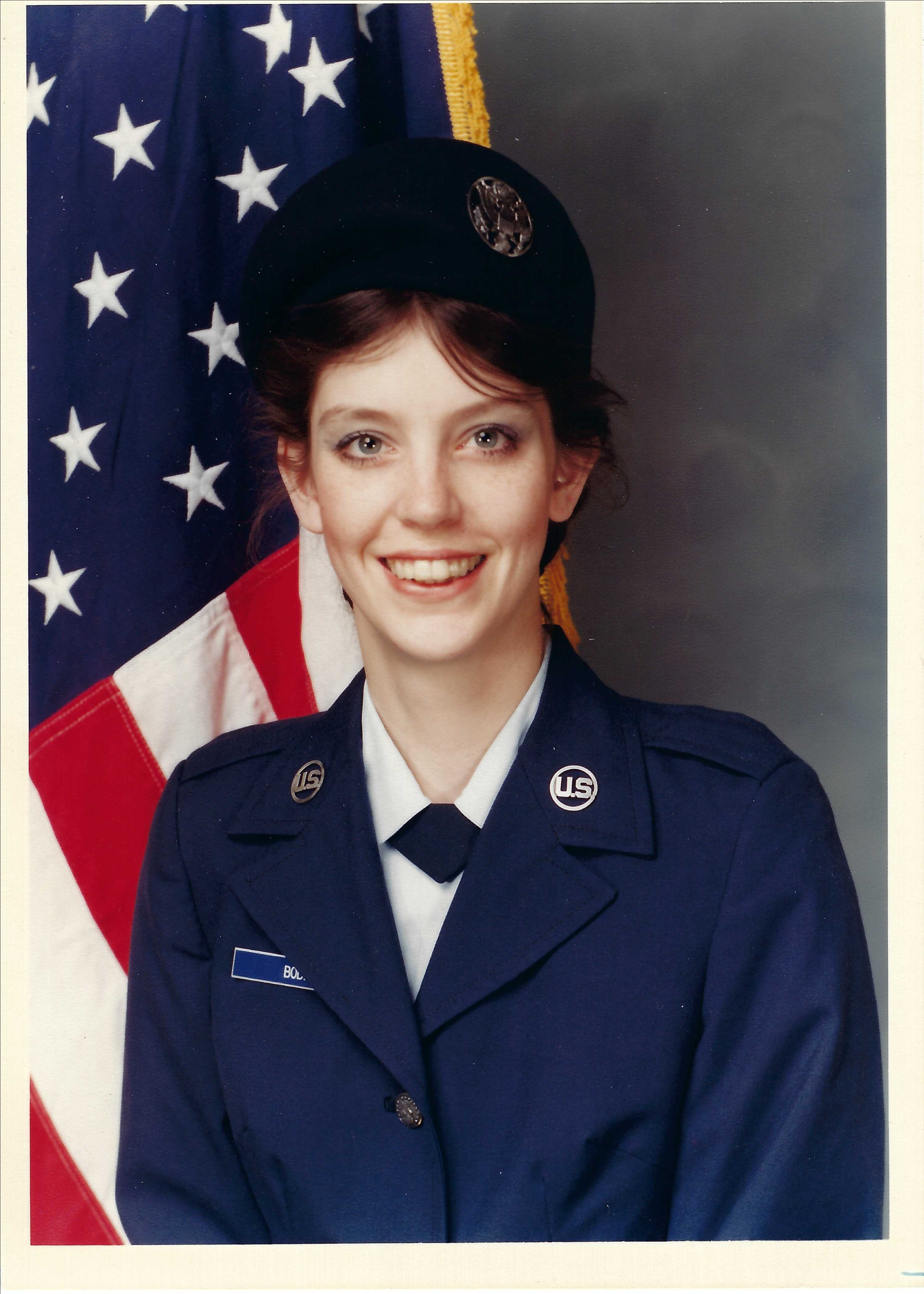
U.S. Air Force • 1982
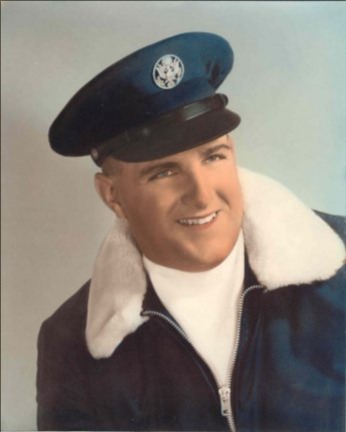
3333 BMTS, Amarillo AFB • U.S. Air Force • 1967
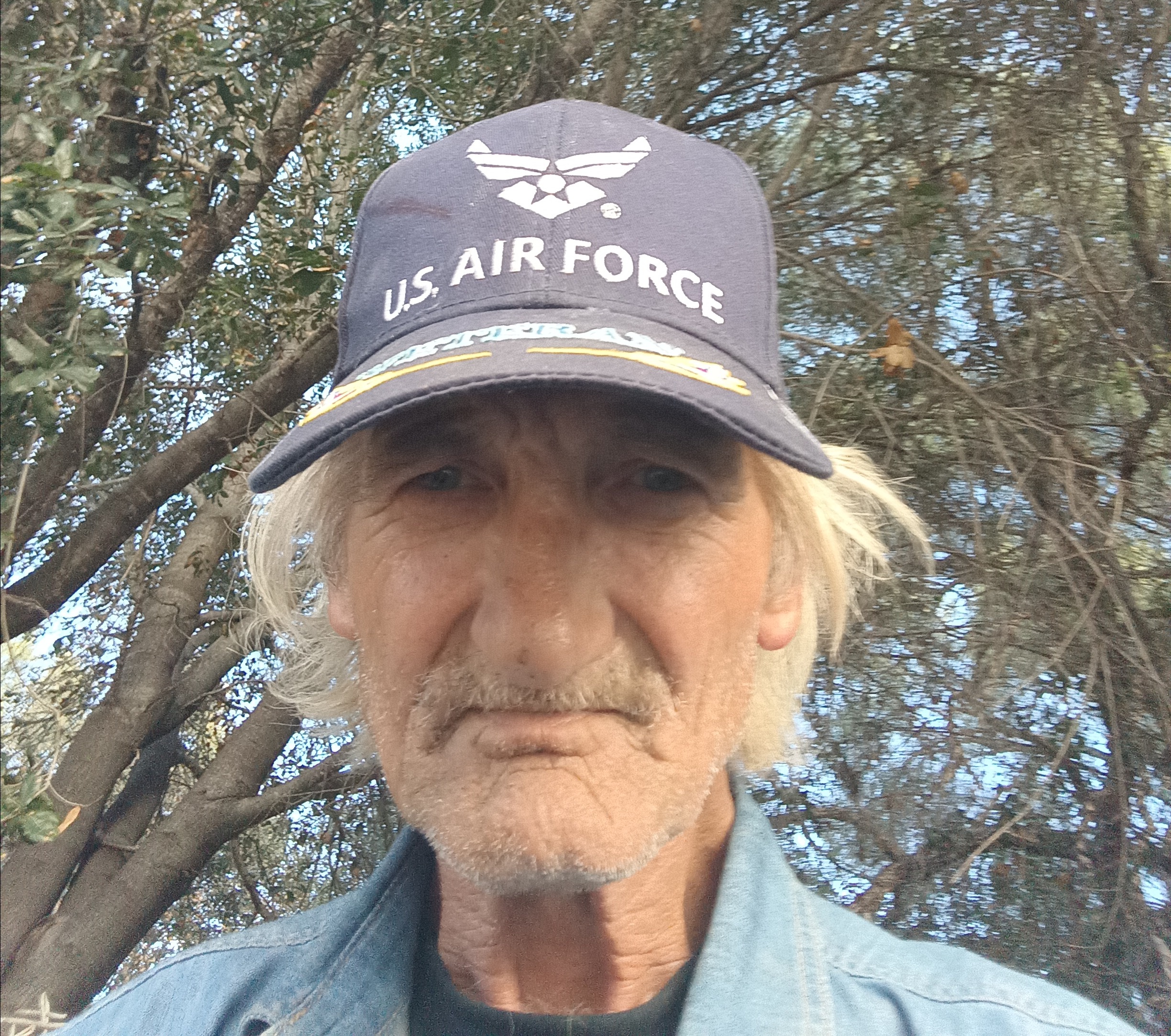
U.S. Air Force