Over 3,064,780 active members

U.S. Air Force•2 members
Relive and share the memories of your service-time with your brothers and sisters in arms today. VetFriends.com can help you reconnect.
Did you proudly serve in the 3613th Combat Crew Training Squadron (water survival school)?
Are you looking for someone who is or was in the 3613th Combat Crew Training Squadron (water survival school)?
Do you have 3613th Combat Crew Training Squadron (water survival school) photos you'd like to share?
Then join a community with your brothers and sisters of the 3613th Combat Crew Training Squadron (water survival school).
Branch
U.S. Air Force
Members
2
The 3613th Combat Crew Training Squadron was a United States Air Force unit established to provide specialized water survival training to aircrew members. Activated during the Cold War, the squadron operated primarily out of Homestead Air Force Base, Florida, and later at Tyndall Air Force Base. Its mission was to ensure that pilots and other aircrew were prepared to survive and evade capture in the event of a water landing or bailout. The unit was eventually redesignated as the 17th Crew Training Squadron in the 1990s as part of a broader reorganization of Air Force training programs.
U.S. Air Force
U.S. Air Force
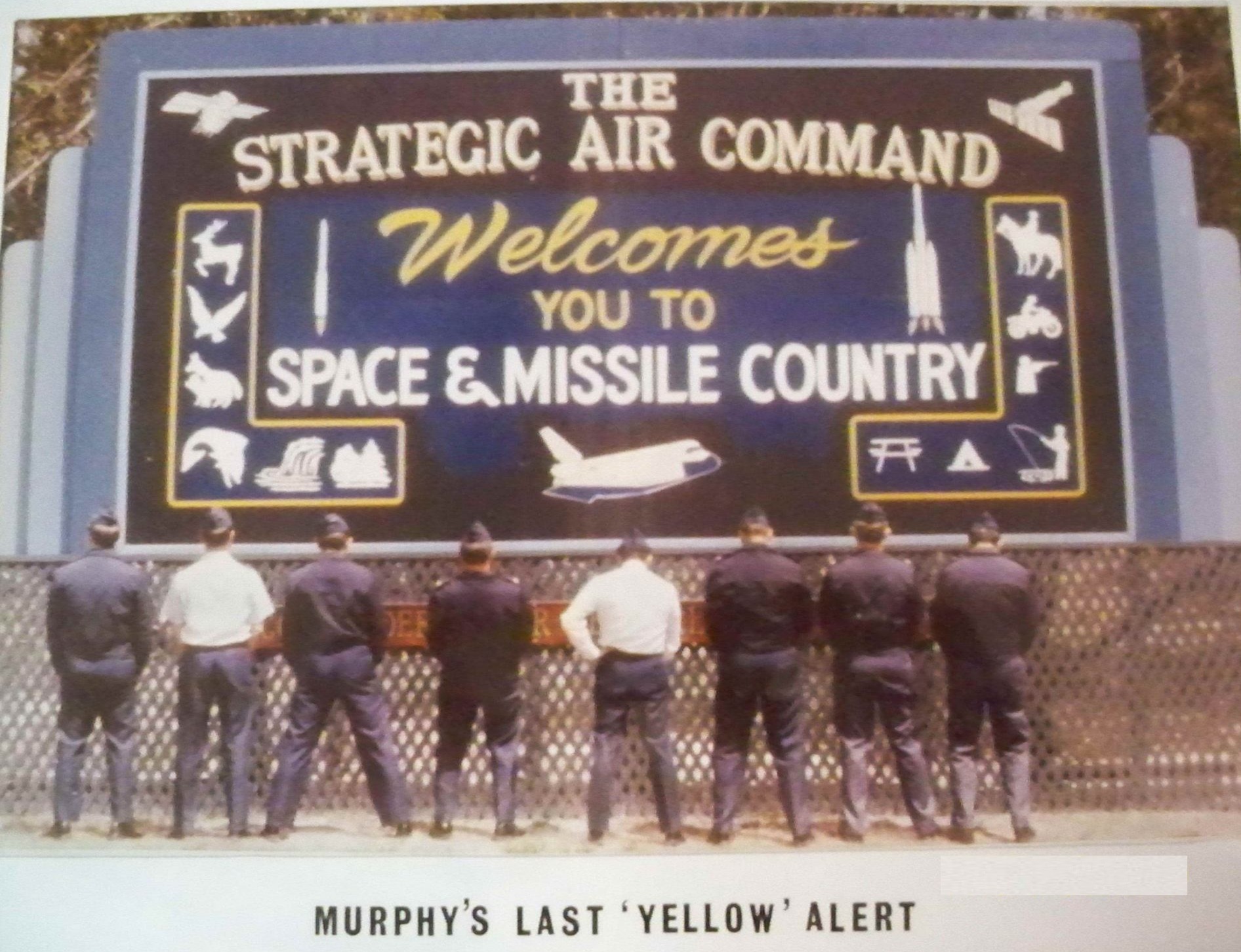
6595 • U.S. Air Force
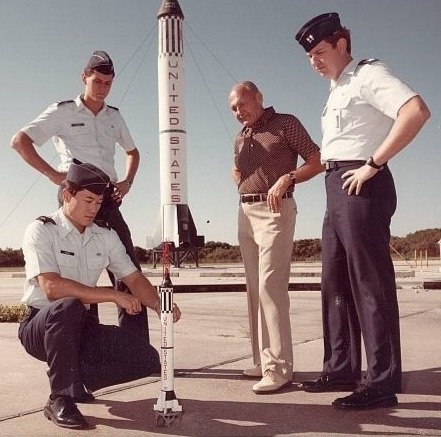
6555th ASTG • U.S. Air Force
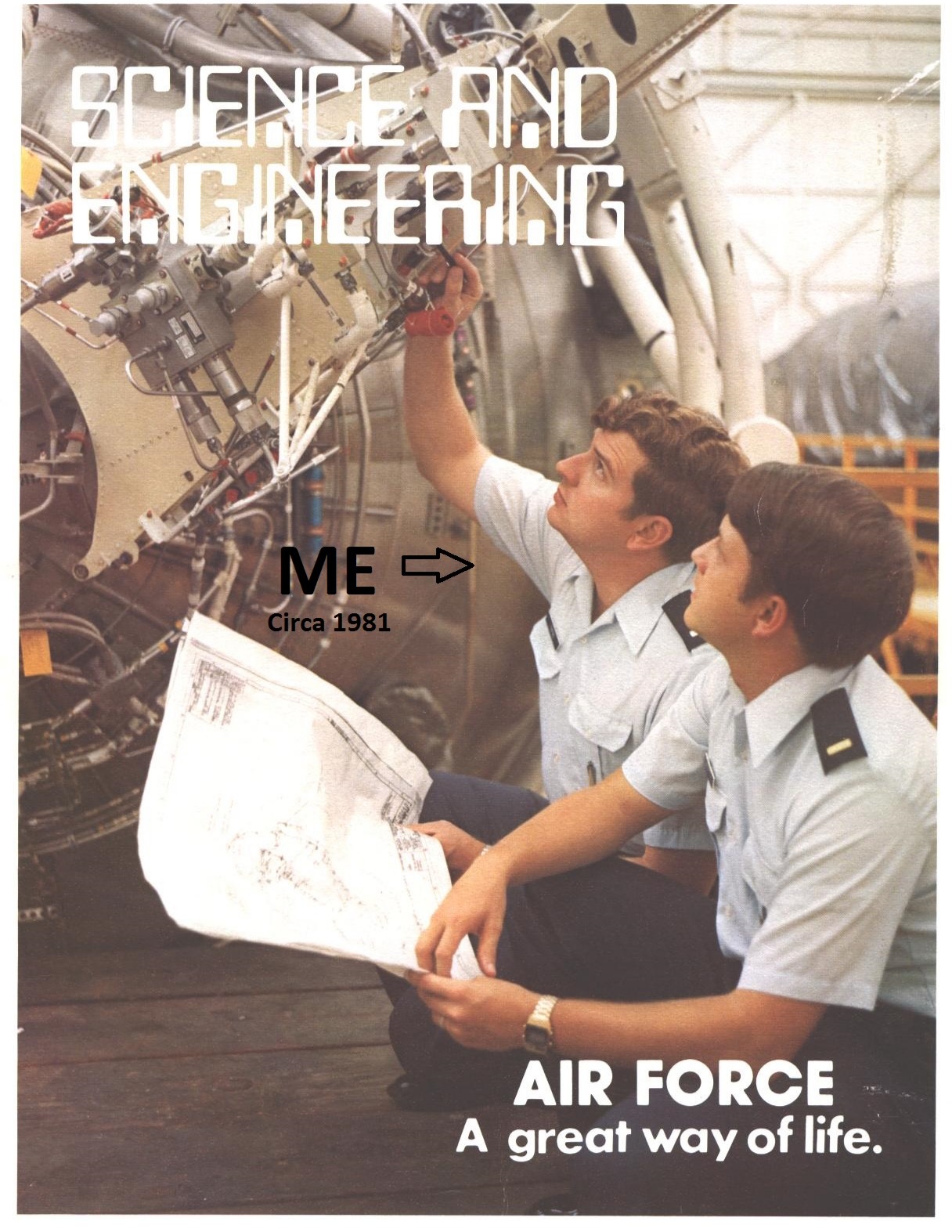
6595 • U.S. Air Force • 1981
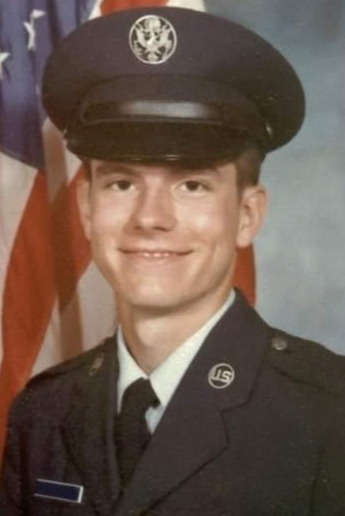
U.S. Air Force • 1981
