
Opening branch overview
Building the branch home surface
Loading branch highlights, featured unit context, and gallery moments.
Overview
Members
Units
Building the branch home surface
Loading branch highlights, featured unit context, and gallery moments.
Building the branch units surface
Loading unit filters, rankings, and the branch unit grid.

6 members•1 unit
Relive and share the memories of your service-time with your brothers and sisters in arms today. VetFriends.com can help you reconnect.
Did you proudly serve in the 31st Weather Squadron (AWS)?
Are you looking for someone who is or was in the 31st Weather Squadron (AWS)?
Do you have 31st Weather Squadron (AWS) photos you'd like to share?
Then join a community with your brothers and sisters of the 31st Weather Squadron (AWS).
Branch
U.S. Air Force
Members
6
The 31st Weather Squadron (Air Weather Service) was first activated during World War II, providing critical weather support for Allied air operations in the European Theater. Throughout its history, the squadron has been tasked with collecting, analyzing, and disseminating meteorological data to enhance mission planning and execution. During the Cold War, the 31st Weather Squadron supported U.S. Air Force operations across Europe, ensuring aircrew safety and effectiveness. The unit’s expertise in weather forecasting has played a vital role in both peacetime and contingency operations, contributing to the overall success of U.S. Air Force missions.
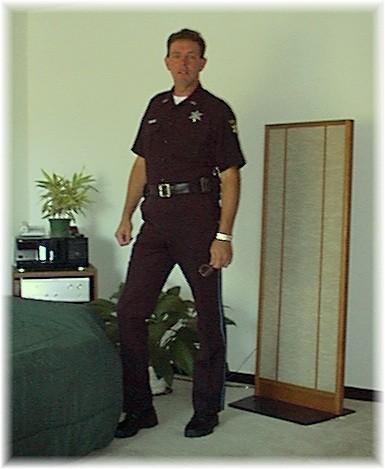
U.S. Air Force
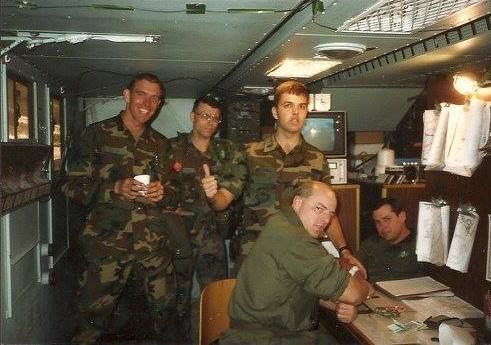
U.S. Air Force

U.S. Air Force
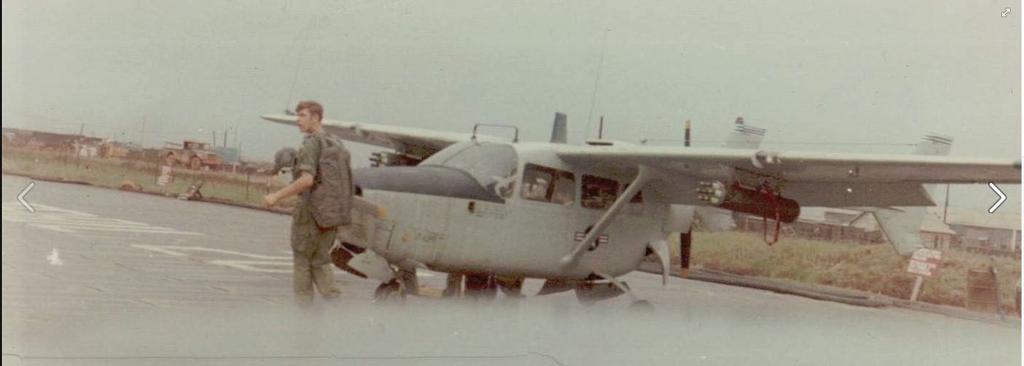
U.S. Air Force