
Opening branch overview
Building the branch home surface
Loading branch highlights, featured unit context, and gallery moments.
Overview
Members
Units
Building the branch home surface
Loading branch highlights, featured unit context, and gallery moments.
Building the branch units surface
Loading unit filters, rankings, and the branch unit grid.

37 members•1 unit
Relive and share the memories of your service-time with your brothers and sisters in arms today. VetFriends.com can help you reconnect.
Did you proudly serve in the 31st ARRS?
Are you looking for someone who is or was in the 31st ARRS?
Do you have 31st ARRS photos you'd like to share?
Then join a community with your brothers and sisters of the 31st ARRS.
Branch
U.S. Air Force
Members
37
The 31st Aerospace Rescue and Recovery Squadron (31st ARRS) was activated in 1952, initially serving under the United States Air Force. Throughout the Vietnam War, the unit played a crucial role in combat search and rescue (CSAR) operations, notably flying HH-3E "Jolly Green Giant" helicopters to recover downed aircrew behind enemy lines. The 31st ARRS earned numerous commendations for valor and effectiveness during high-risk missions, saving hundreds of lives in hostile environments. The squadron was later inactivated, but its legacy endures as a symbol of courage and dedication in Air Force rescue operations.
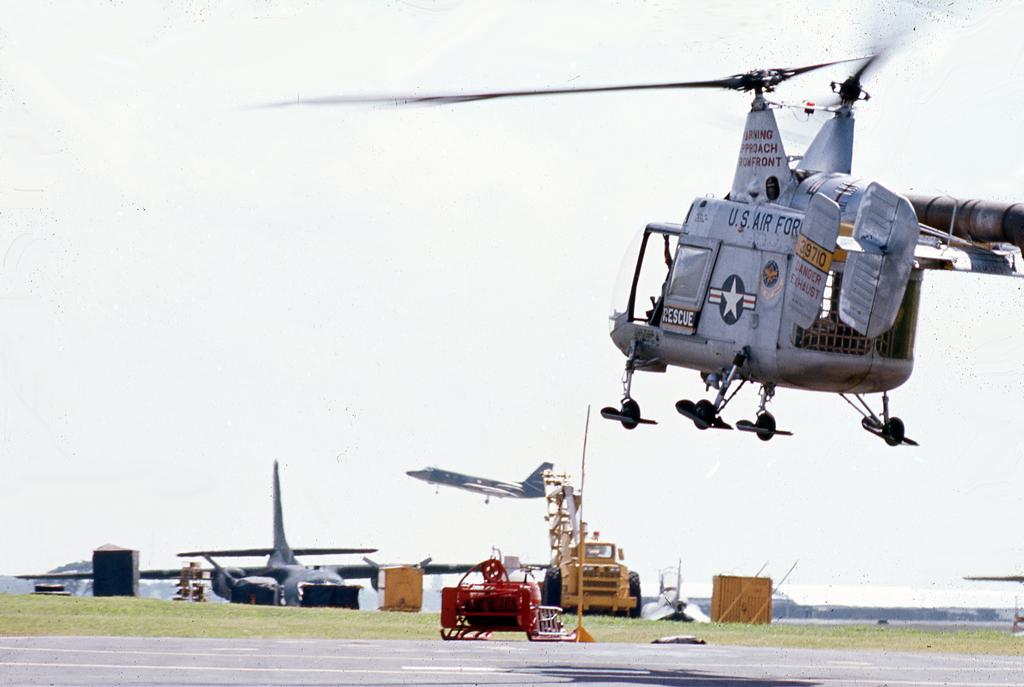
U.S. Navy • 1965
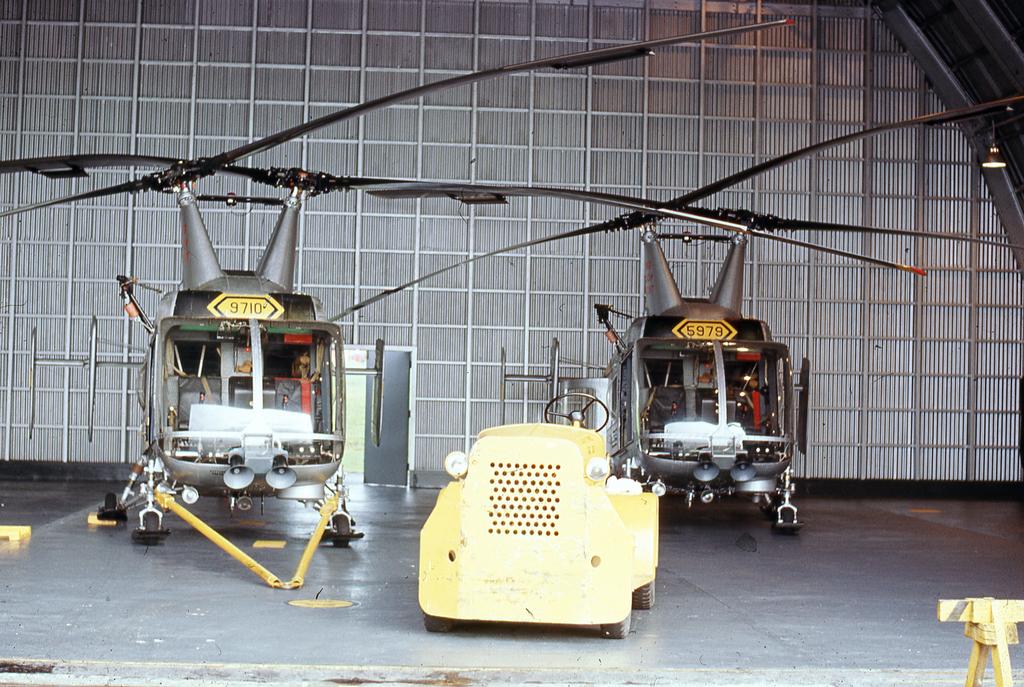
U.S. Navy • 1965