
Opening branch overview
Building the branch home surface
Loading branch highlights, featured unit context, and gallery moments.
Overview
Members
Units
Building the branch home surface
Loading branch highlights, featured unit context, and gallery moments.
Building the branch units surface
Loading unit filters, rankings, and the branch unit grid.

U.S. Air Force•6 members
Relive and share the memories of your service-time with your brothers and sisters in arms today. VetFriends.com can help you reconnect.
Did you proudly serve in the 307th MMS?
Are you looking for someone who is or was in the 307th MMS?
Do you have 307th MMS photos you'd like to share?
Then join a community with your brothers and sisters of the 307th MMS.
The 307th Munitions Maintenance Squadron (307th MMS) was an integral unit within the United States Air Force, primarily responsible for the handling, storage, and maintenance of munitions, including nuclear weapons, during the height of the Cold War. Activated in the late 1950s, the squadron was initially assigned to support the operations of the 307th Bombardment Wing at Lincoln Air Force Base, Nebraska. The 307th MMS played a crucial role in ensuring the readiness and reliability of the wing’s strategic bomber arsenal, particularly the B-47 Stratojets. The unit was inactivated in the early 1960s as part of the Air Force's reorganization and the phaseout of the B-47 bomber fleet.
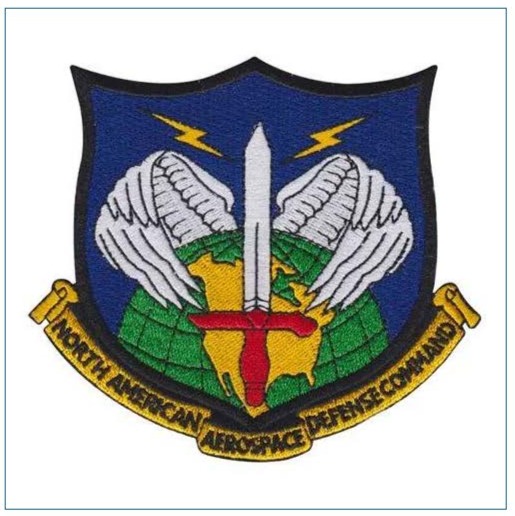
U.S. Air Force • 1988
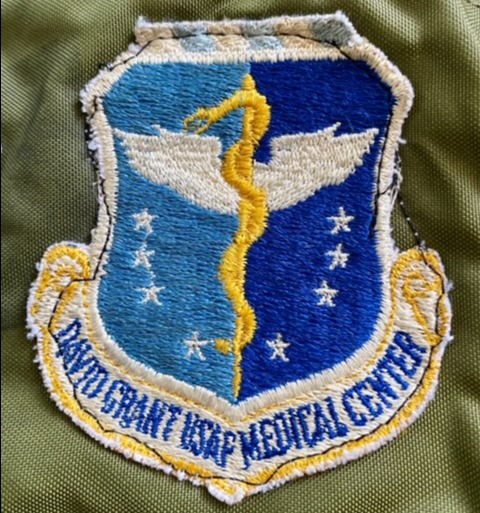
U.S. Air Force
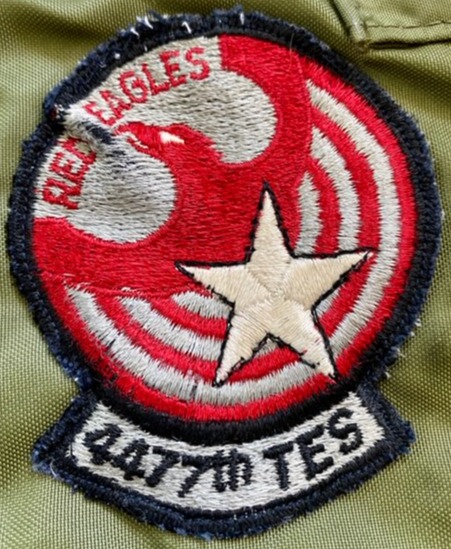
U.S. Air Force
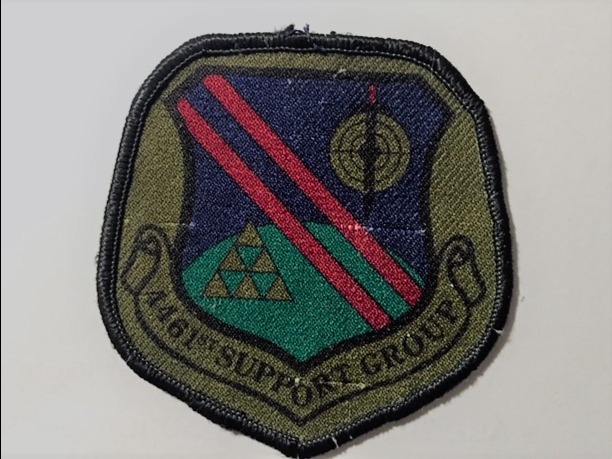
U.S. Air Force