
Opening branch overview
Building the branch home surface
Loading branch highlights, featured unit context, and gallery moments.
Overview
Members
Units
Building the branch home surface
Loading branch highlights, featured unit context, and gallery moments.
Building the branch units surface
Loading unit filters, rankings, and the branch unit grid.

37 members•1 unit
Relive and share the memories of your service-time with your brothers and sisters in arms today. VetFriends.com can help you reconnect.
Did you proudly serve in the 307 FMS U-Tapao Thailand?
Are you looking for someone who is or was in the 307 FMS U-Tapao Thailand?
Do you have 307 FMS U-Tapao Thailand photos you'd like to share?
Then join a community with your brothers and sisters of the 307 FMS U-Tapao Thailand.
Branch
U.S. Air Force
Members
37
The 307th Field Maintenance Squadron (FMS) was a unit of the United States Air Force stationed at U-Tapao Royal Thai Naval Airfield in Thailand during the Vietnam War. Activated at U-Tapao in the late 1960s, the 307 FMS provided essential maintenance and logistical support for the B-52 Stratofortress bombers and KC-135 Stratotanker aircraft operating in Southeast Asia. The squadron played a critical role in sustaining the intensive air operations of Operation Arc Light and Operation Linebacker. Following the winding down of U.S. involvement in Vietnam, the 307 FMS was inactivated as U.S. forces withdrew from Thailand in the mid-1970s.

2153 • U.S. Air Force • 1981
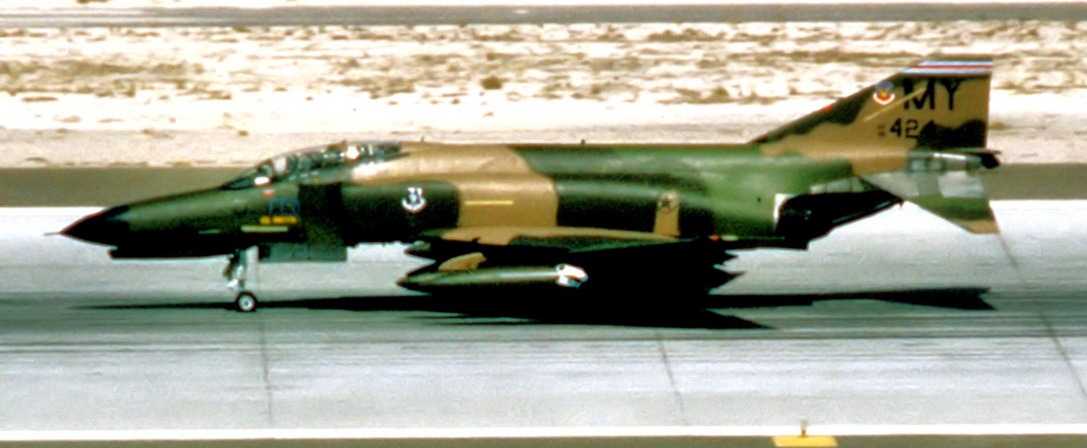
68th AGS • U.S. Air Force • 1976
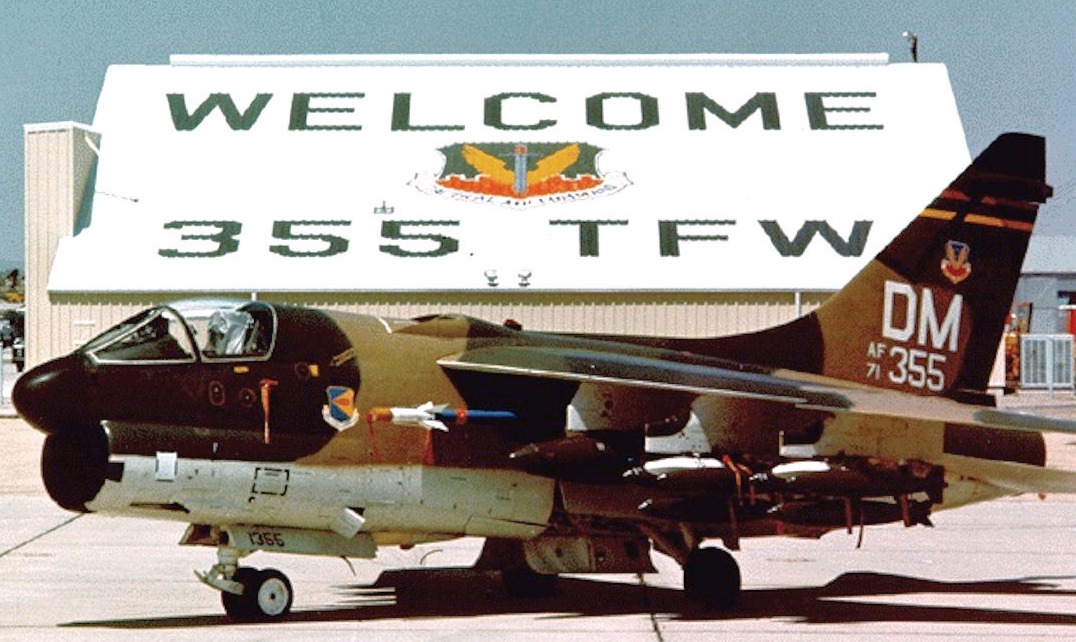
355th AMS • U.S. Air Force • 1974
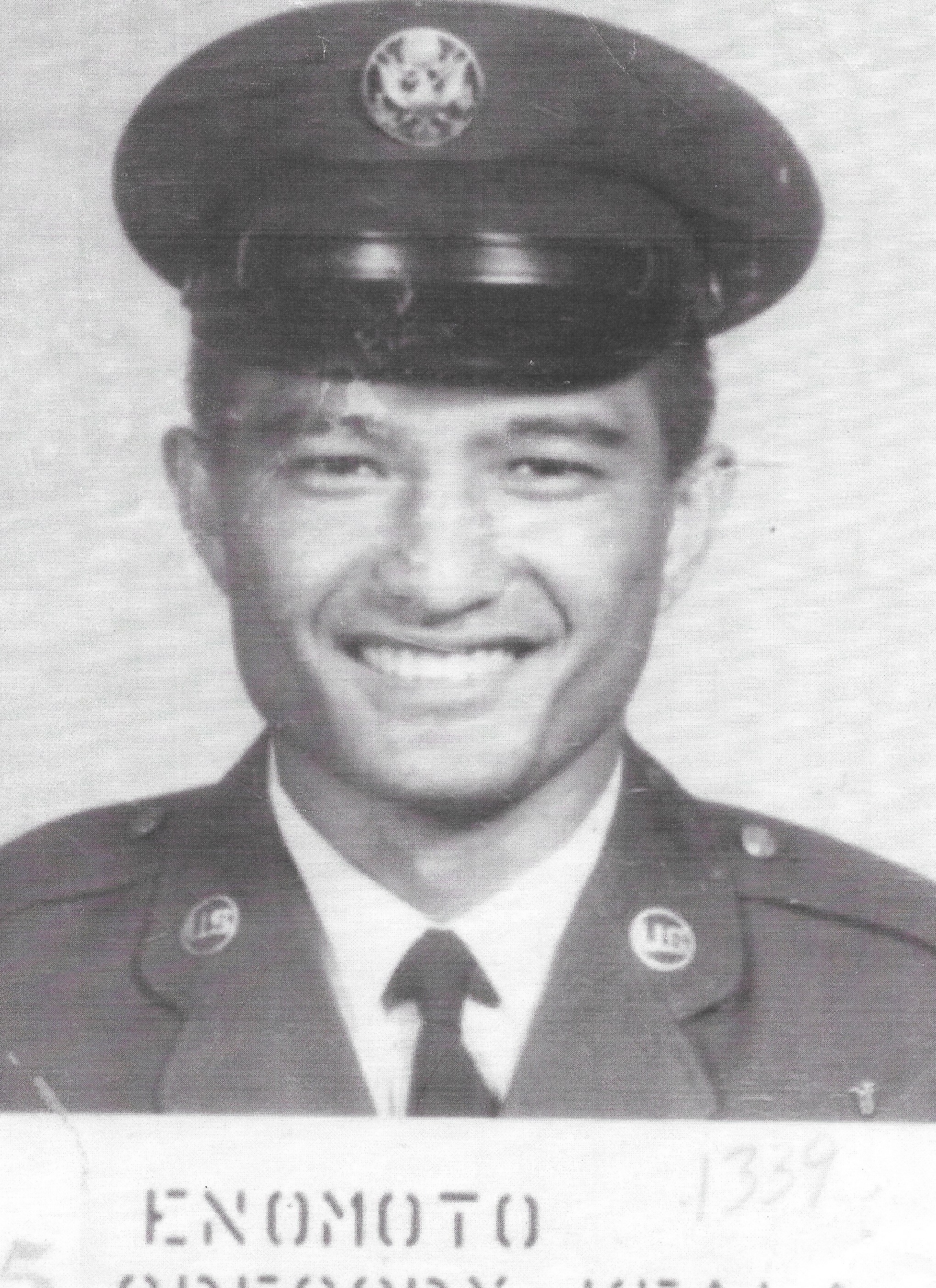
Flight 1354 • U.S. Air Force • 1973