
Opening branch overview
Building the branch home surface
Loading branch highlights, featured unit context, and gallery moments.
Overview
Members
Units
Building the branch home surface
Loading branch highlights, featured unit context, and gallery moments.
Building the branch units surface
Loading unit filters, rankings, and the branch unit grid.

36 members•1 unit
Relive and share the memories of your service-time with your brothers and sisters in arms today. VetFriends.com can help you reconnect.
Did you proudly serve in the 301st SAC?
Are you looking for someone who is or was in the 301st SAC?
Do you have 301st SAC photos you'd like to share?
Then join a community with your brothers and sisters of the 301st SAC.
Branch
U.S. Air Force
Members
36
The 301st Strategic Aerospace Command (SAC), originally constituted as the 301st Bombardment Group during World War II, played a significant role in strategic bombing campaigns over Europe, flying B-17 Flying Fortress missions against enemy targets. After the war, the unit was re-designated and integrated into the Strategic Air Command, reflecting the shift to a nuclear deterrence posture during the Cold War. Throughout its service, the 301st operated a variety of advanced aircraft, including the B-29 Superfortress and later bombers, contributing to America's global strategic reach. The unit underwent several reorganizations and inactivations as the U.S. Air Force adapted to changing defense needs.
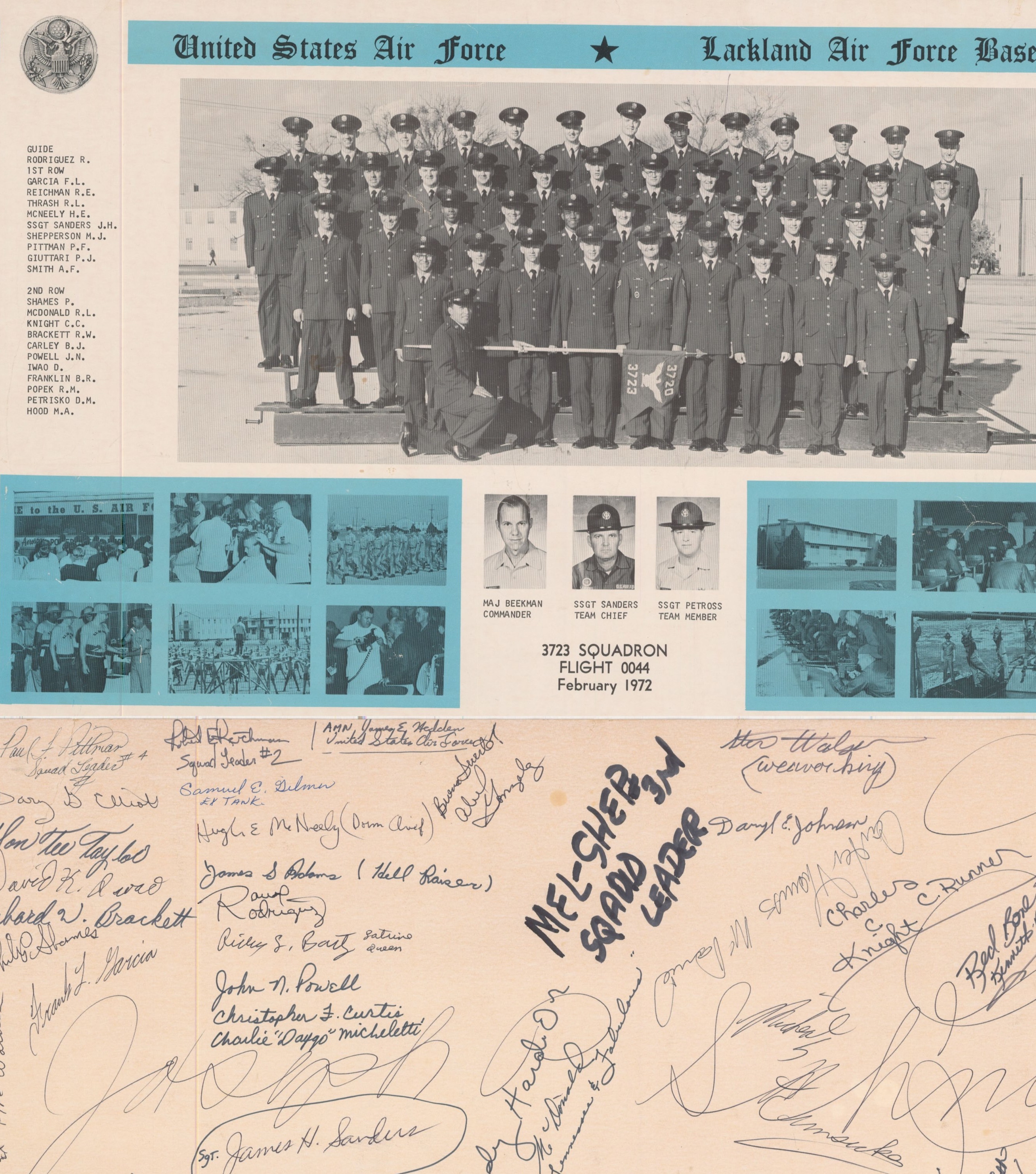
3723 Squadron/Flight 0044 • U.S. Air Force • 1972

U.S. Air Force
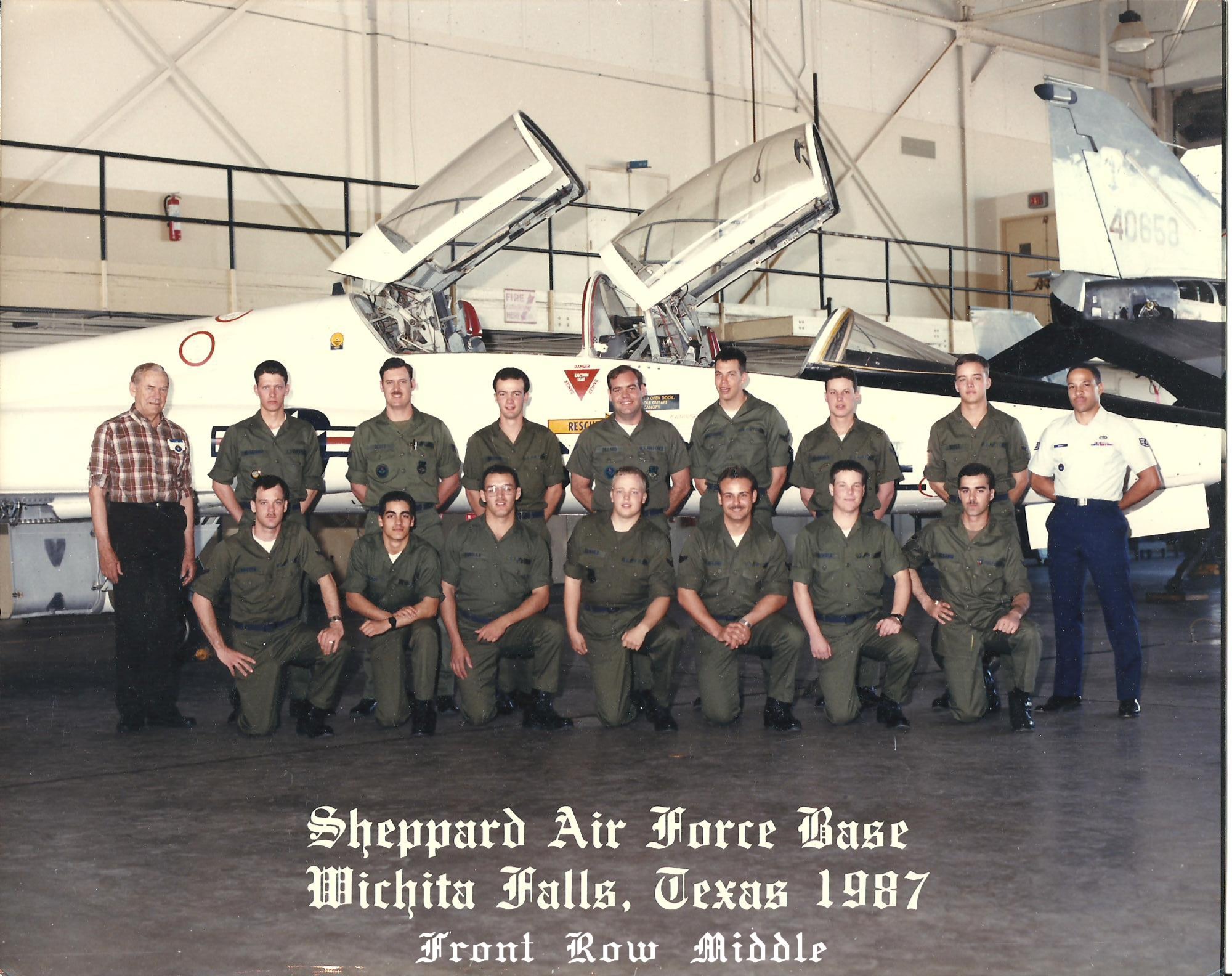
U.S. Air Force • 1987
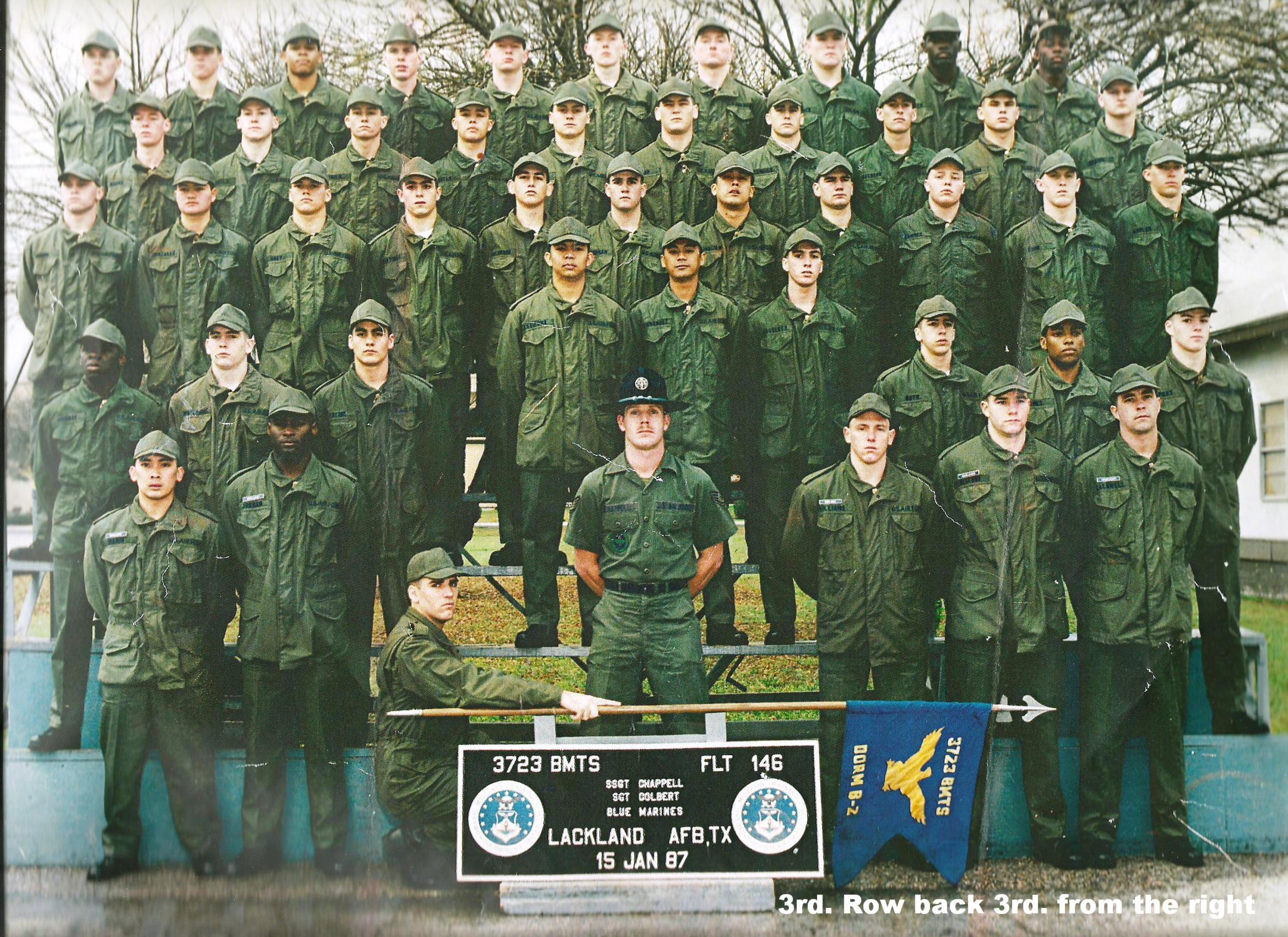
U.S. Air Force • 1987