
Opening branch overview
Building the branch home surface
Loading branch highlights, featured unit context, and gallery moments.
Overview
Members
Units
Building the branch home surface
Loading branch highlights, featured unit context, and gallery moments.
Building the branch units surface
Loading unit filters, rankings, and the branch unit grid.

3 members•1 unit
Relive and share the memories of your service-time with your brothers and sisters in arms today. VetFriends.com can help you reconnect.
Did you proudly serve in the 21 A&E?
Are you looking for someone who is or was in the 21 A&E?
Do you have 21 A&E photos you'd like to share?
Then join a community with your brothers and sisters of the 21 A&E.
Branch
U.S. Air Force
Members
3
The 21 Aircraft and Equipment (A&E) unit was a key support formation within the Royal Air Force, primarily responsible for the storage, maintenance, and preparation of aircraft and associated equipment. Established during World War II, it played a crucial logistical role by ensuring that operational squadrons received serviceable aircraft and vital components in a timely manner. Based at various locations over its history, including RAF Fauld, the unit specialized in munitions storage and armament preparation, contributing significantly to the RAF's sustained operational capability. The expertise and efficiency of 21 A&E were instrumental during periods of heightened conflict, underpinning the effectiveness of frontline air operations.
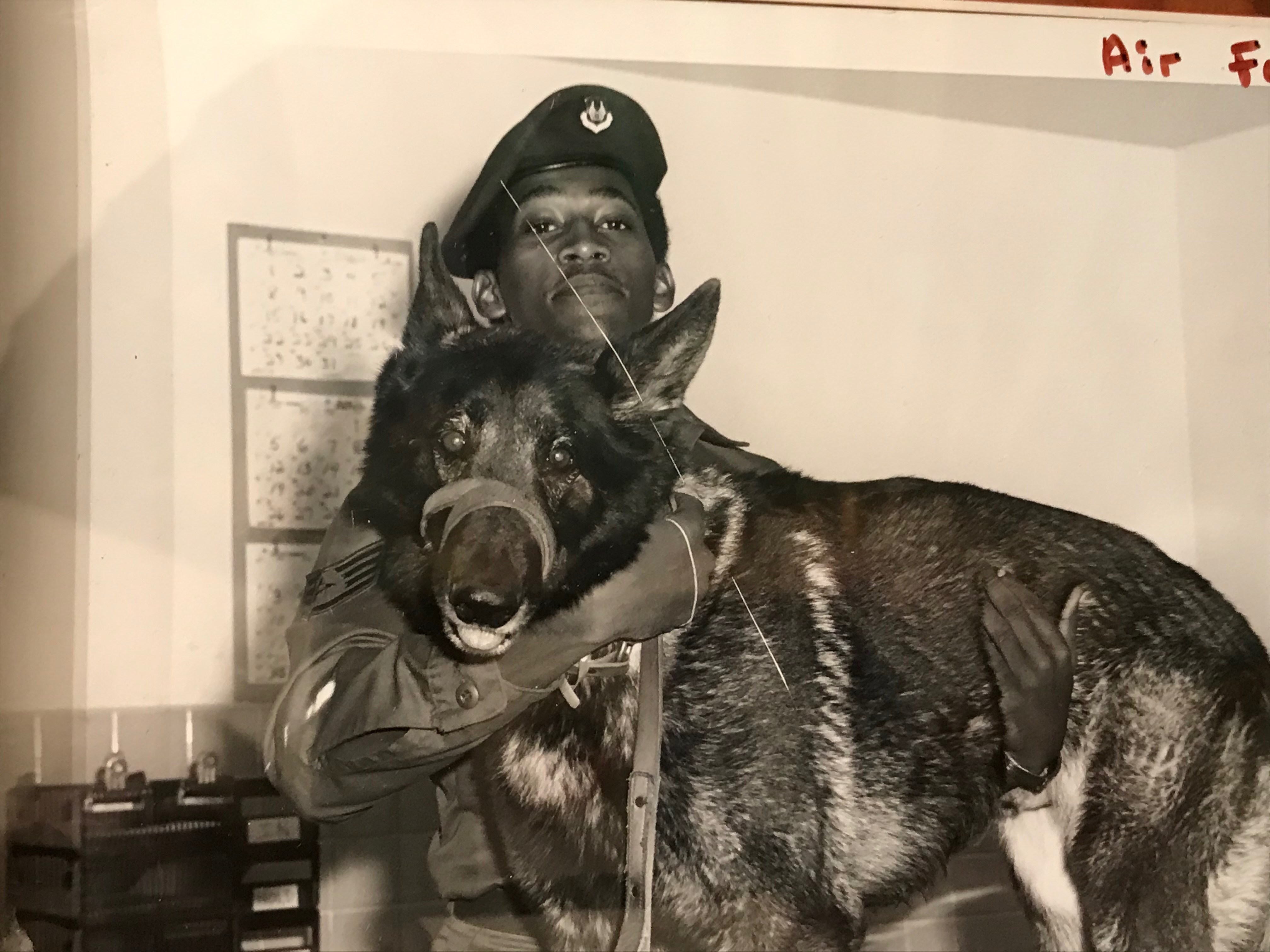
U.S. Air Force
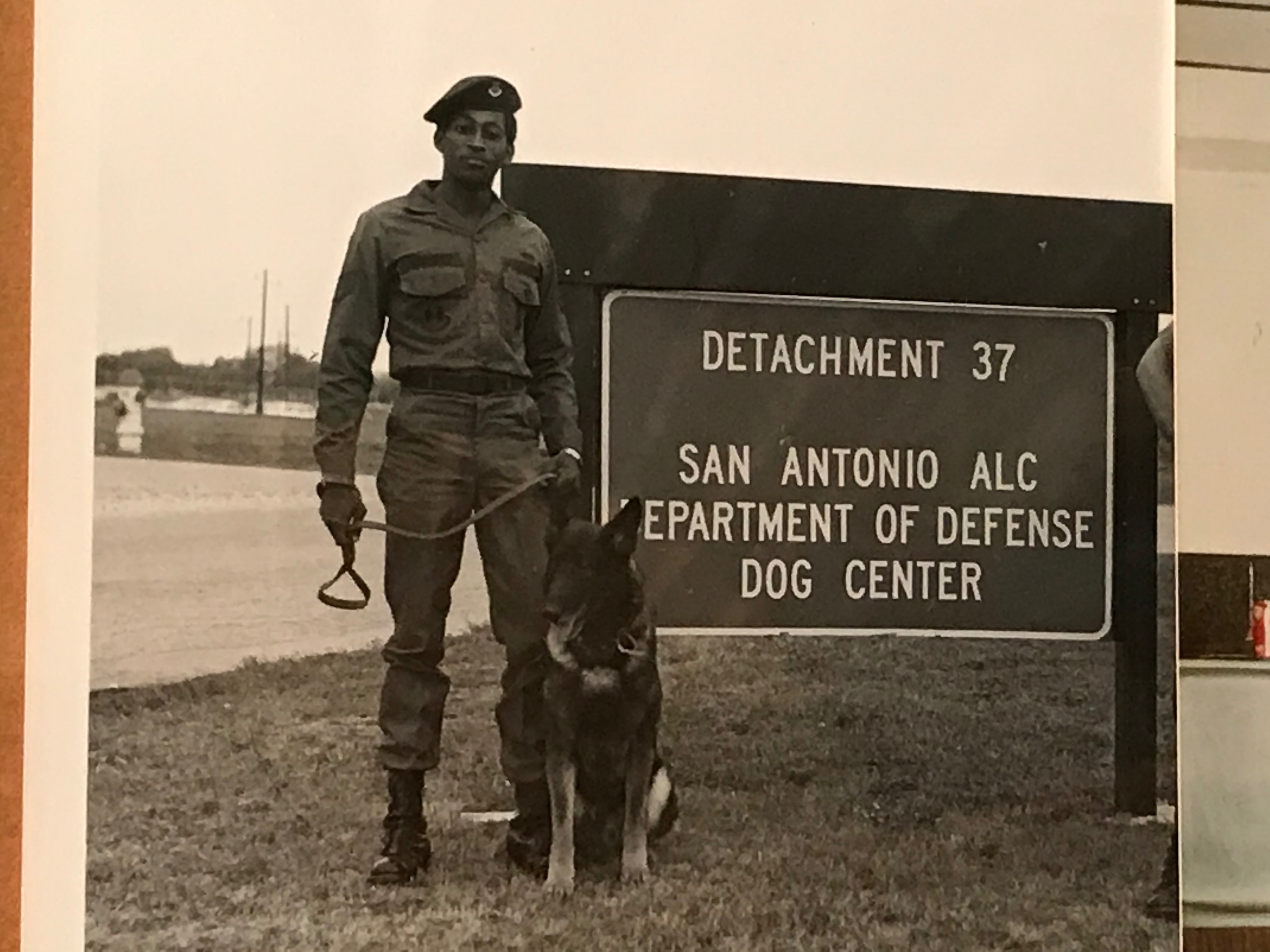
U.S. Air Force
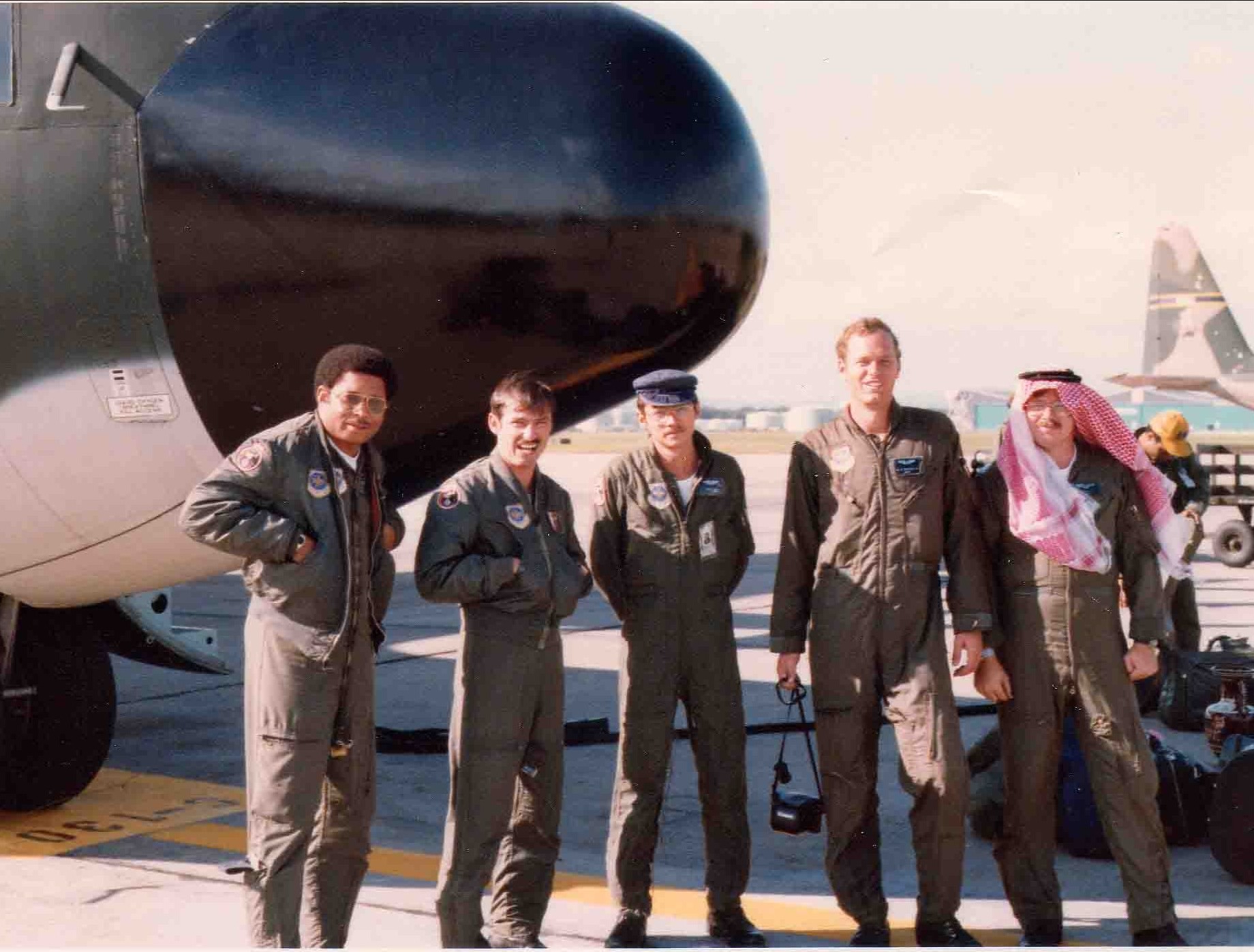
773 TAS • U.S. Air Force • 1979
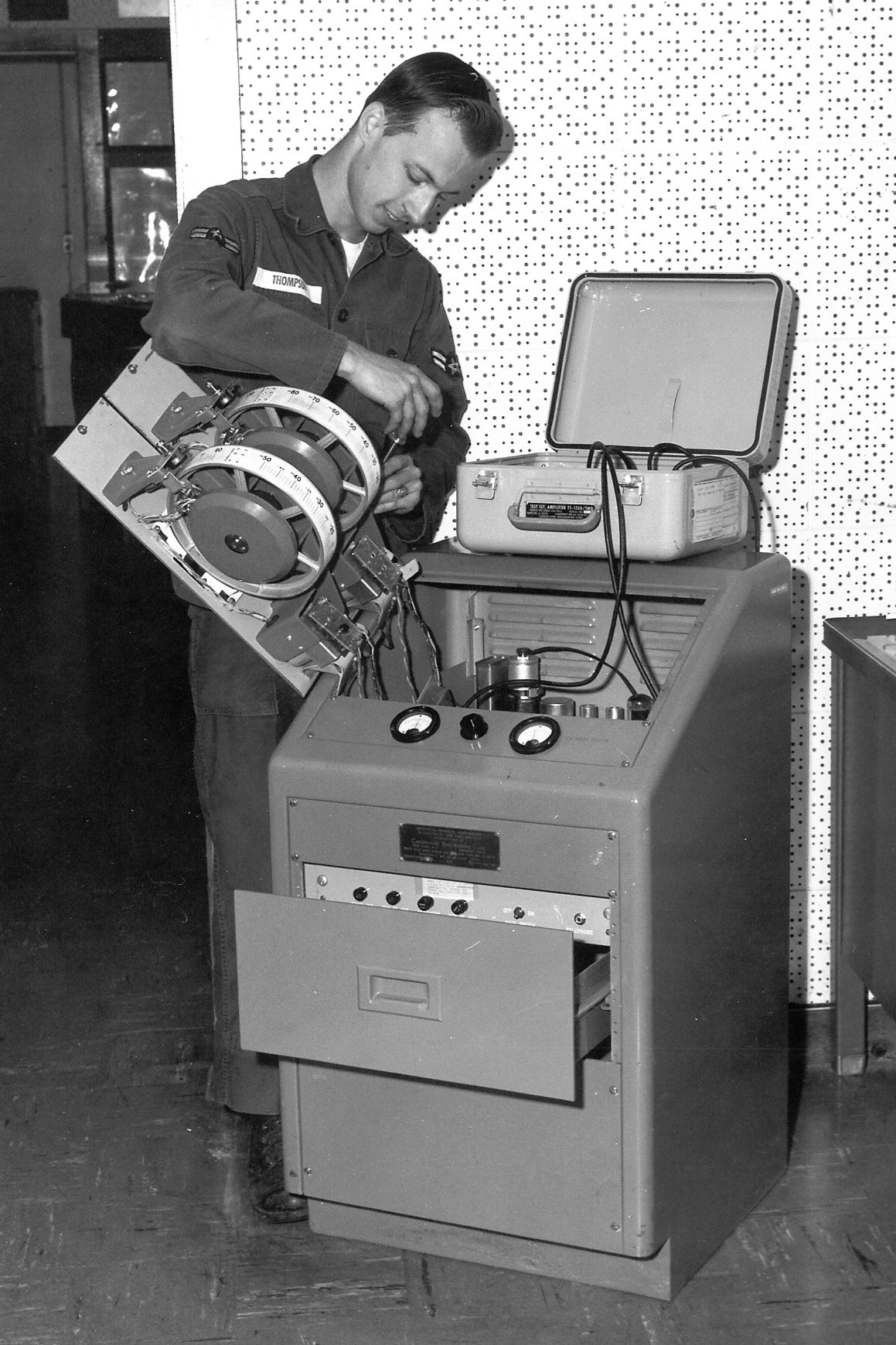
Air Weather Service • U.S. Air Force • 1962