
Opening branch overview
Building the branch home surface
Loading branch highlights, featured unit context, and gallery moments.
Overview
Members
Units
Building the branch home surface
Loading branch highlights, featured unit context, and gallery moments.
Building the branch units surface
Loading unit filters, rankings, and the branch unit grid.

9 members•1 unit
Relive and share the memories of your service-time with your brothers and sisters in arms today. VetFriends.com can help you reconnect.
Did you proudly serve in the 2016th Communications Squadron?
Are you looking for someone who is or was in the 2016th Communications Squadron?
Do you have 2016th Communications Squadron photos you'd like to share?
Then join a community with your brothers and sisters of the 2016th Communications Squadron.
Branch
U.S. Air Force
Members
9
The 2016th Communications Squadron was a unit of the United States Air Force responsible for providing vital communications support to its assigned installation and operational commands. Activated during the Cold War era, the squadron played a critical role in maintaining secure and reliable communications channels, supporting both routine operations and emergency contingencies. Stationed at various times at locations such as Nakhon Phanom Royal Thai Air Force Base in Thailand, the squadron contributed significantly to U.S. military efforts in Southeast Asia, particularly during the Vietnam War. The 2016th Communications Squadron was eventually inactivated as part of post-war drawdowns and reorganizations within the Air Force communications structure.
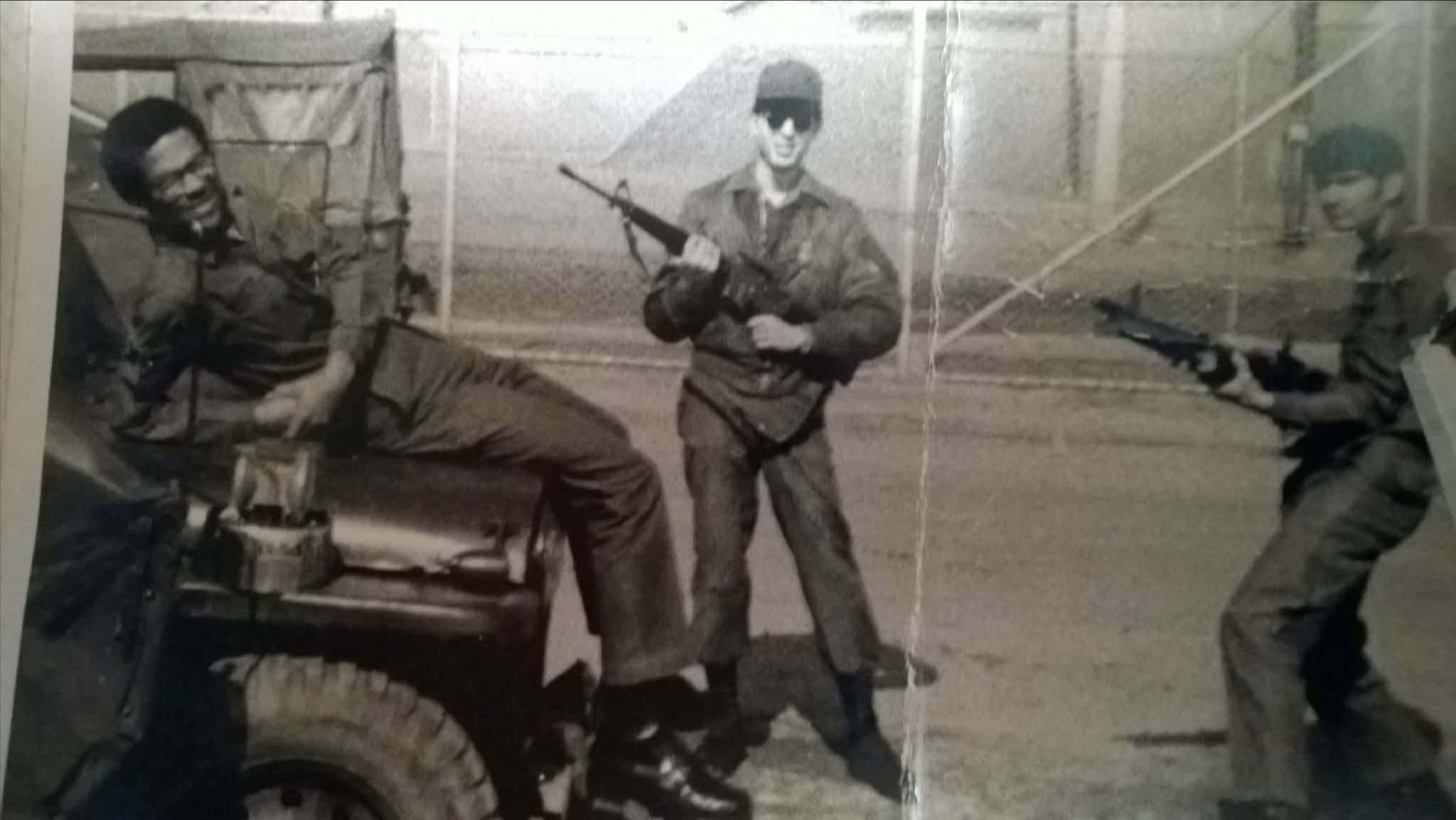
U.S. Air Force • 1972

U.S. Air Force
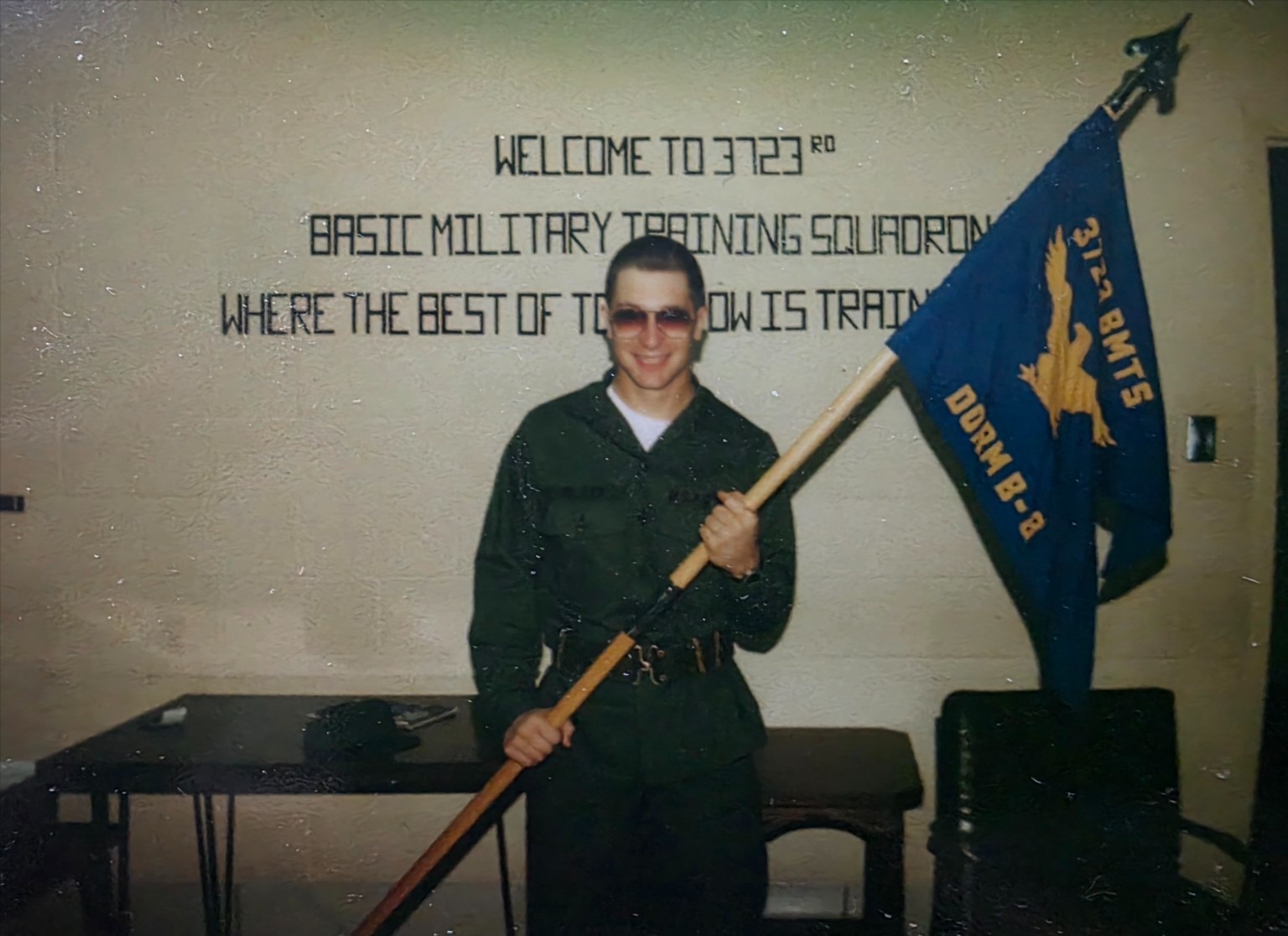
U.S. Air Force
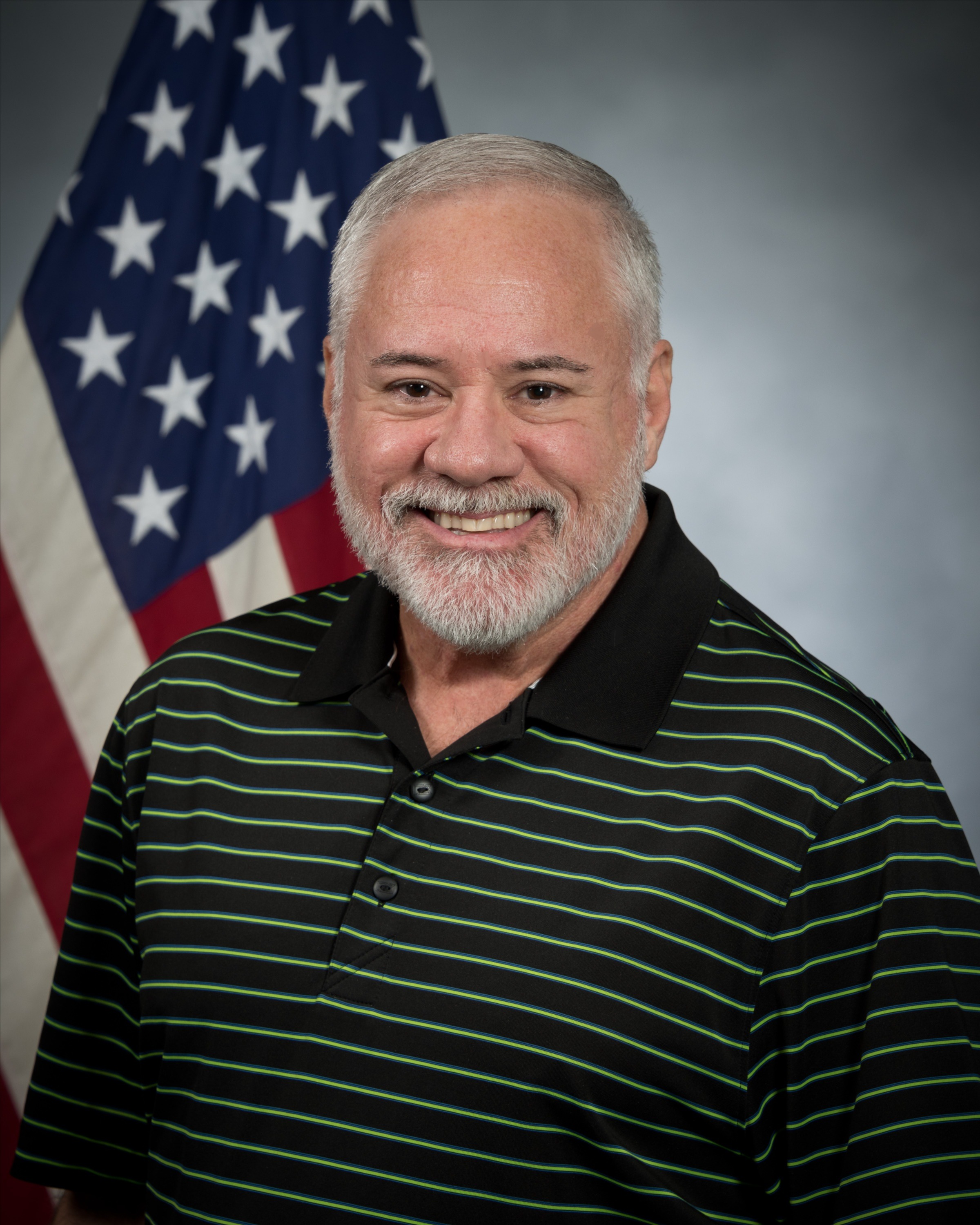
HQ Air University • U.S. Air Force • 2024