
Opening branch overview
Building the branch home surface
Loading branch highlights, featured unit context, and gallery moments.
Overview
Members
Units
Building the branch home surface
Loading branch highlights, featured unit context, and gallery moments.
Building the branch units surface
Loading unit filters, rankings, and the branch unit grid.

38 members•1 unit
Relive and share the memories of your service-time with your brothers and sisters in arms today. VetFriends.com can help you reconnect.
Did you proudly serve in the 1st USAF Hospital (ADC)?
Are you looking for someone who is or was in the 1st USAF Hospital (ADC)?
Do you have 1st USAF Hospital (ADC) photos you'd like to share?
Then join a community with your brothers and sisters of the 1st USAF Hospital (ADC).
Branch
U.S. Air Force
Members
38
The 1st USAF Hospital (ADC) was a United States Air Force medical unit assigned to the Air Defense Command (ADC). Established during the early Cold War period, its primary mission was to provide comprehensive medical care and support to Air Force personnel and their families stationed at key ADC installations. The hospital played a crucial role in maintaining the health and readiness of aircrews and ground personnel responsible for the continental air defense of the United States. Throughout its existence, the 1st USAF Hospital contributed significantly to the overall effectiveness and morale of the Air Defense Command until its eventual inactivation or reorganization as the Air Force's medical structure evolved.
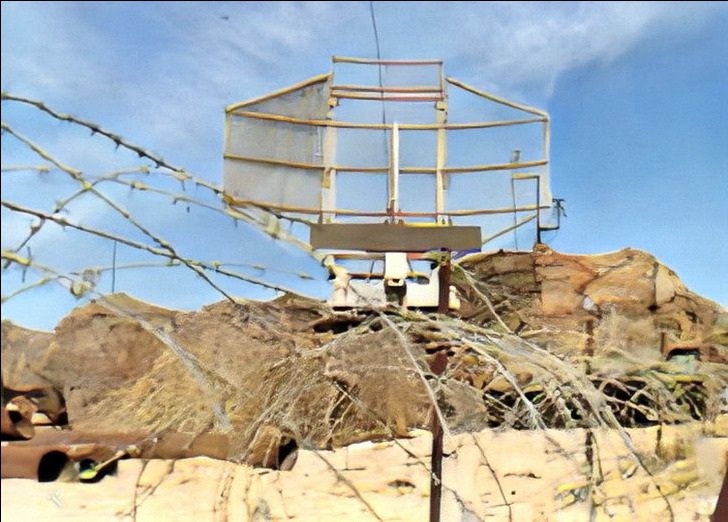
83RD TACTICAL CONTROL FLIGHT • U.S. Air Force
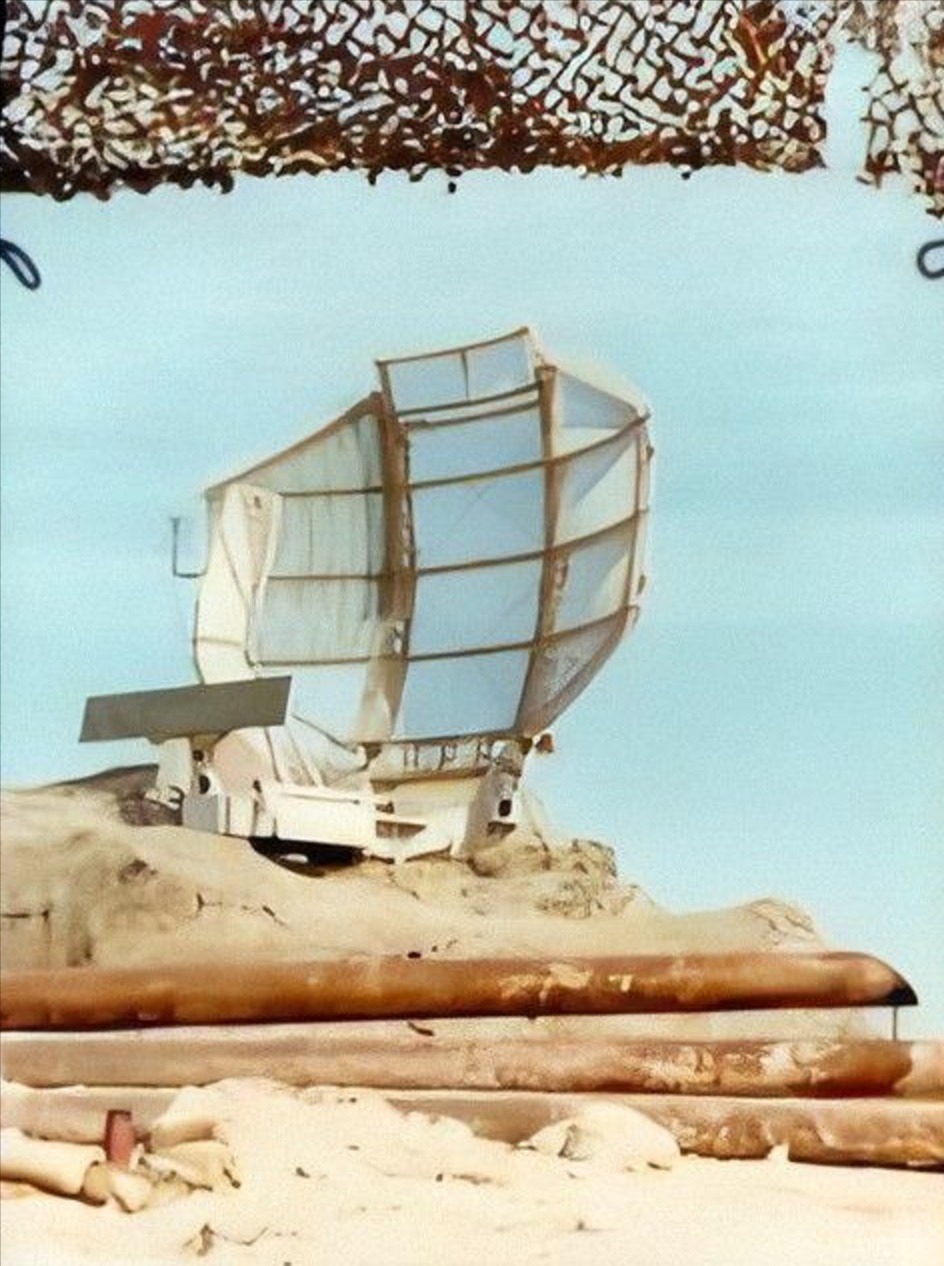
83RD TACTICAL CONTROL FLIGHT • U.S. Air Force
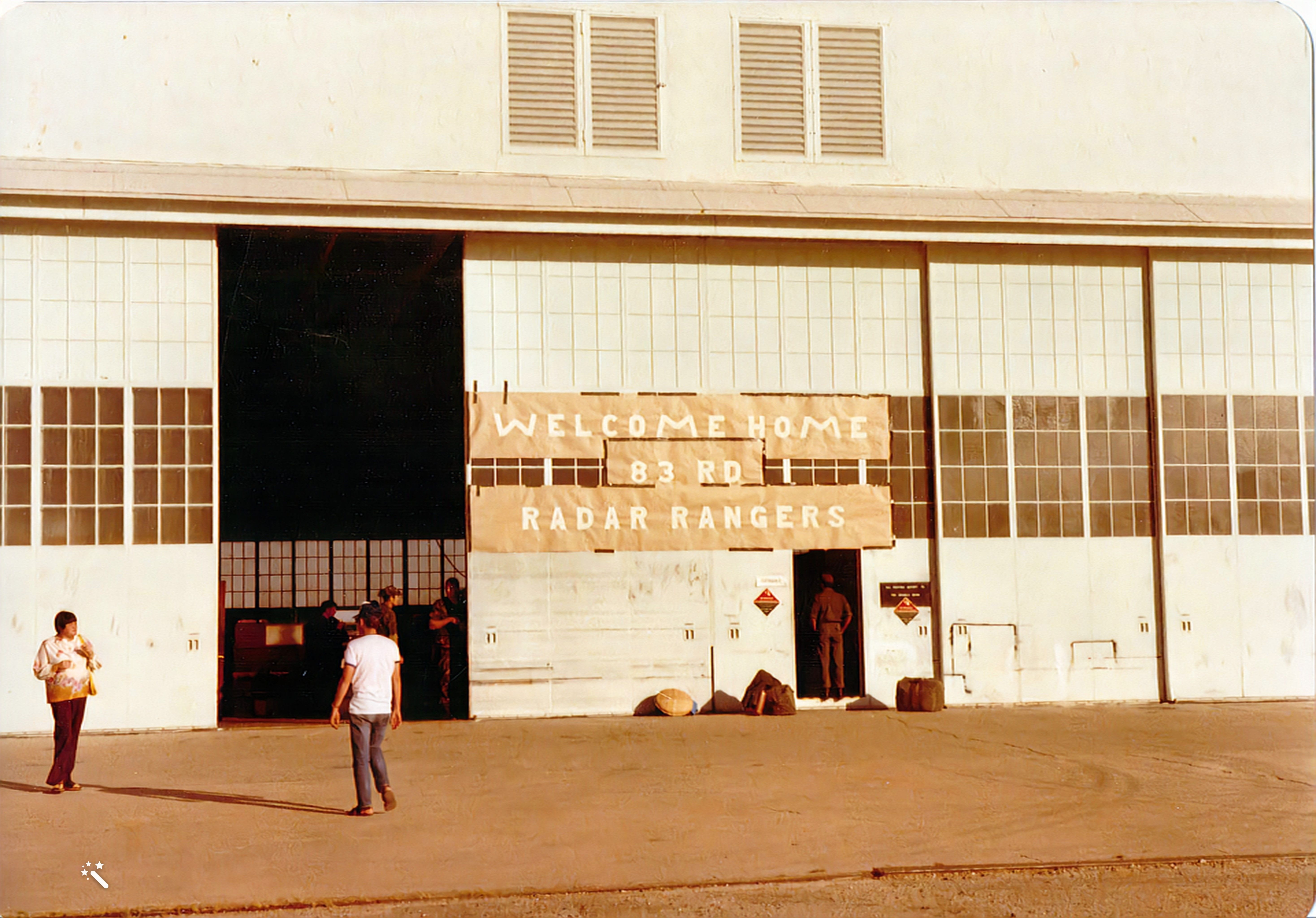
83RD TACTICAL CONTROL FLIGHT • U.S. Air Force • 1981
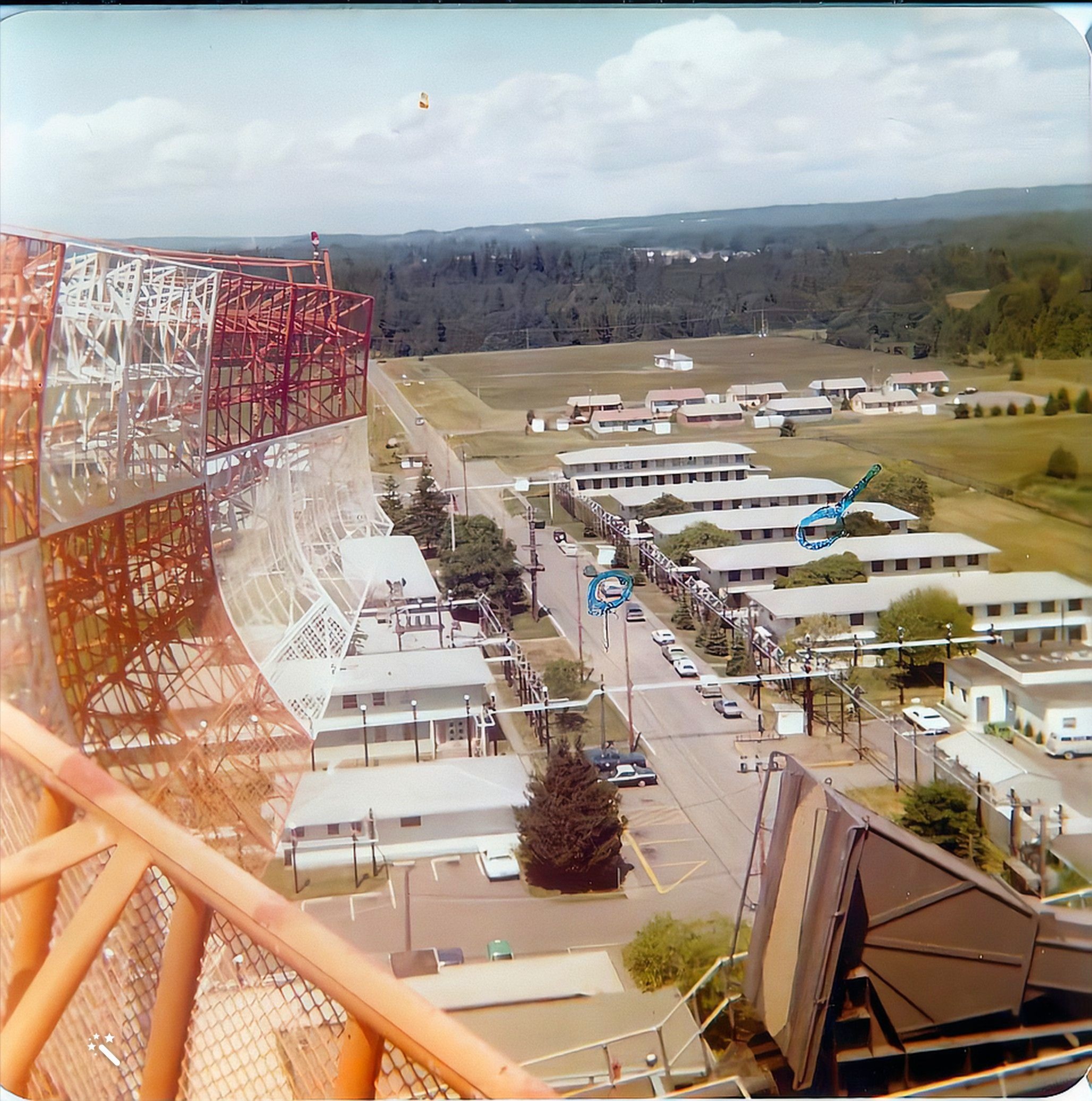
U.S. Air Force