
Opening branch overview
Building the branch home surface
Loading branch highlights, featured unit context, and gallery moments.
Overview
Members
Units
Building the branch home surface
Loading branch highlights, featured unit context, and gallery moments.
Building the branch units surface
Loading unit filters, rankings, and the branch unit grid.

63 members•1 unit
Relive and share the memories of your service-time with your brothers and sisters in arms today. VetFriends.com can help you reconnect.
Did you proudly serve in the 1st Mobile Comm Group (1stMob)?
Are you looking for someone who is or was in the 1st Mobile Comm Group (1stMob)?
Do you have 1st Mobile Comm Group (1stMob) photos you'd like to share?
Then join a community with your brothers and sisters of the 1st Mobile Comm Group (1stMob).
Branch
U.S. Air Force
Members
63
The 1st Mobile Communications Group (1st Mob) was first activated in 1952 at Johnson Air Base, Japan, to provide deployable communications support for the U.S. Air Force in the Pacific region. Throughout the Cold War and the Vietnam War, 1st Mob delivered vital tactical and strategic communications, supporting air operations and command and control requirements across Southeast Asia. Over the decades, the unit adapted its capabilities to meet rapidly evolving technologies and mission demands, earning numerous commendations for its service. Today, the group continues its legacy of excellence, providing expeditionary communications and cyber support to enable global Air Force operations.
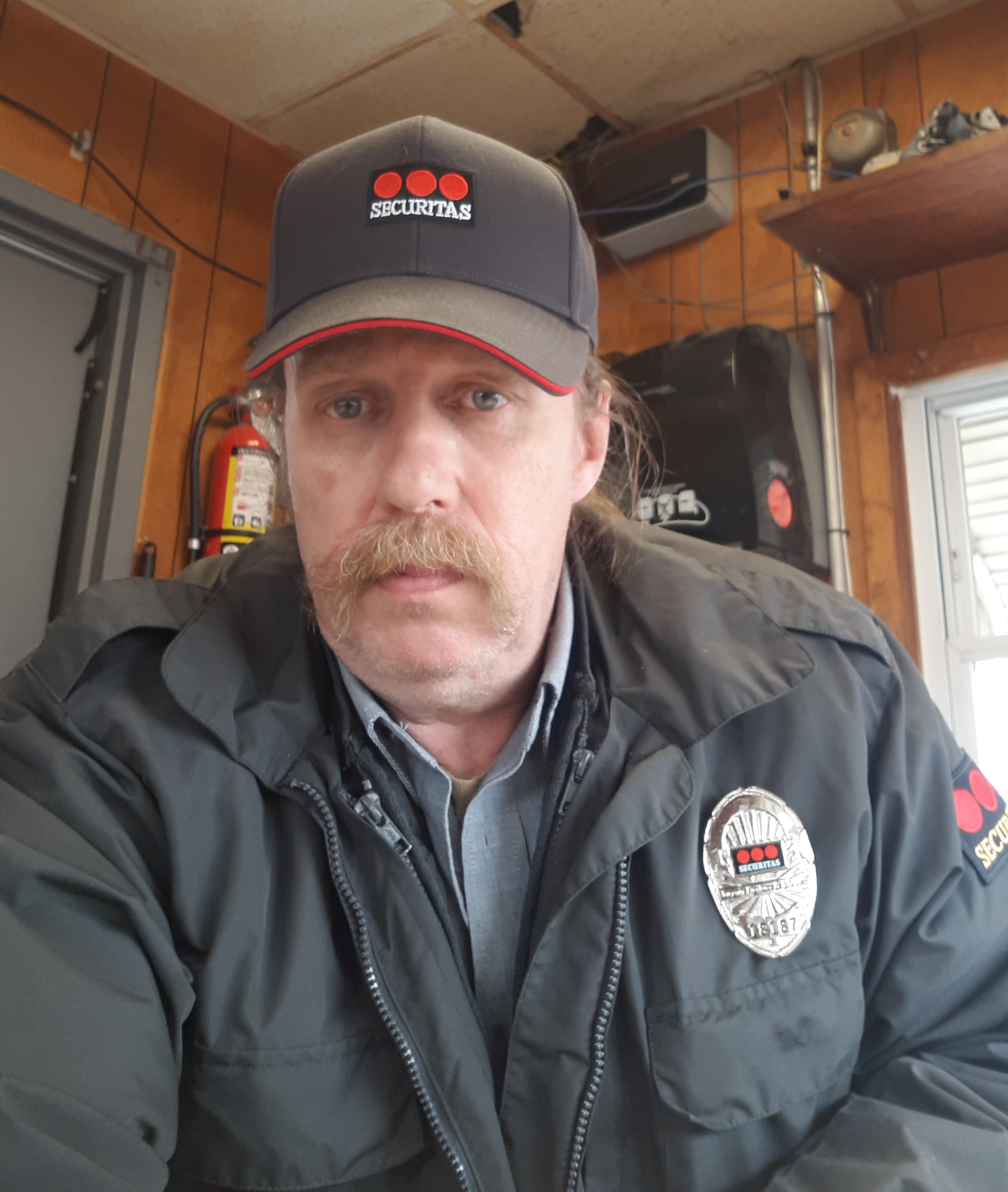
U.S. Air Force
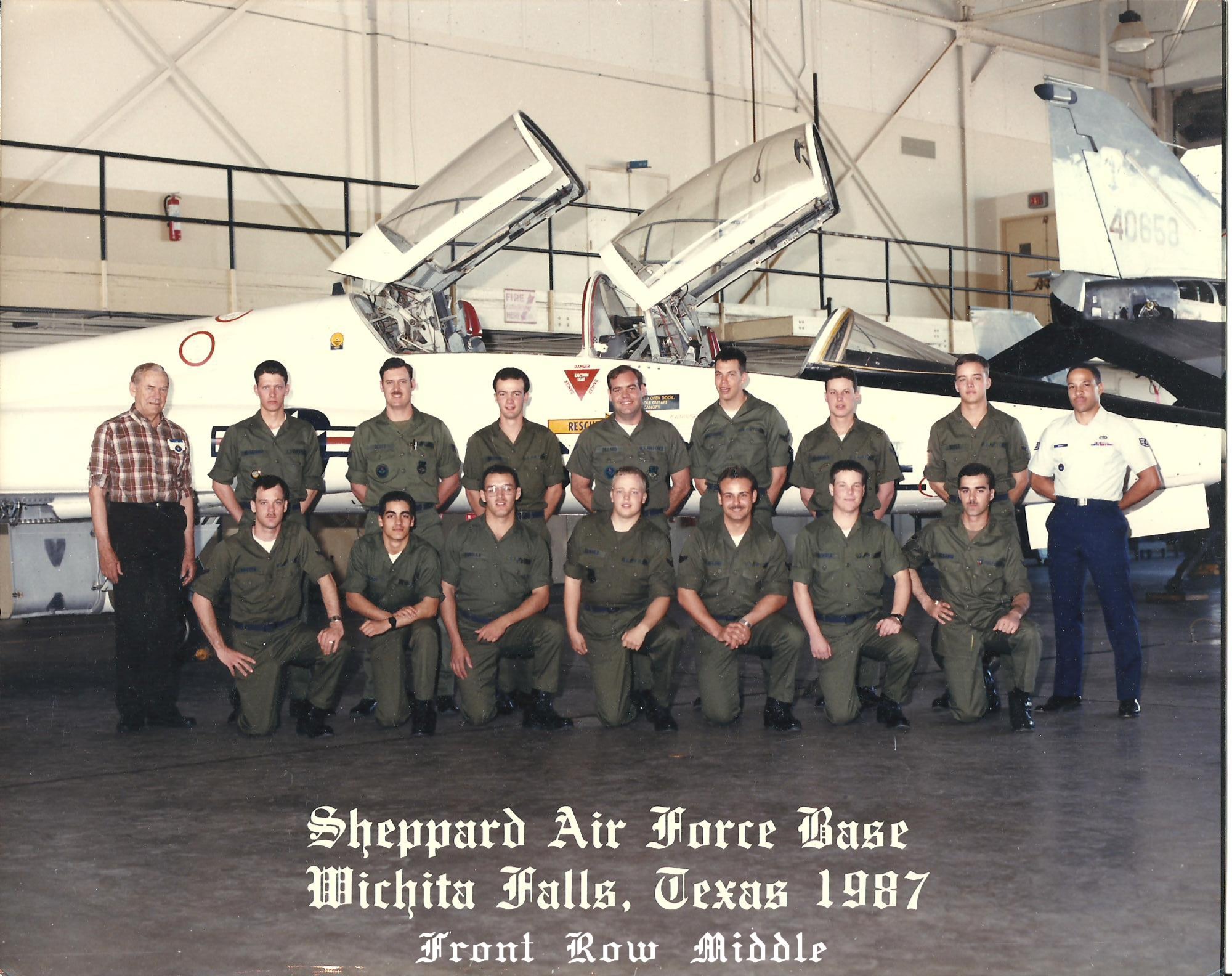
U.S. Air Force • 1987
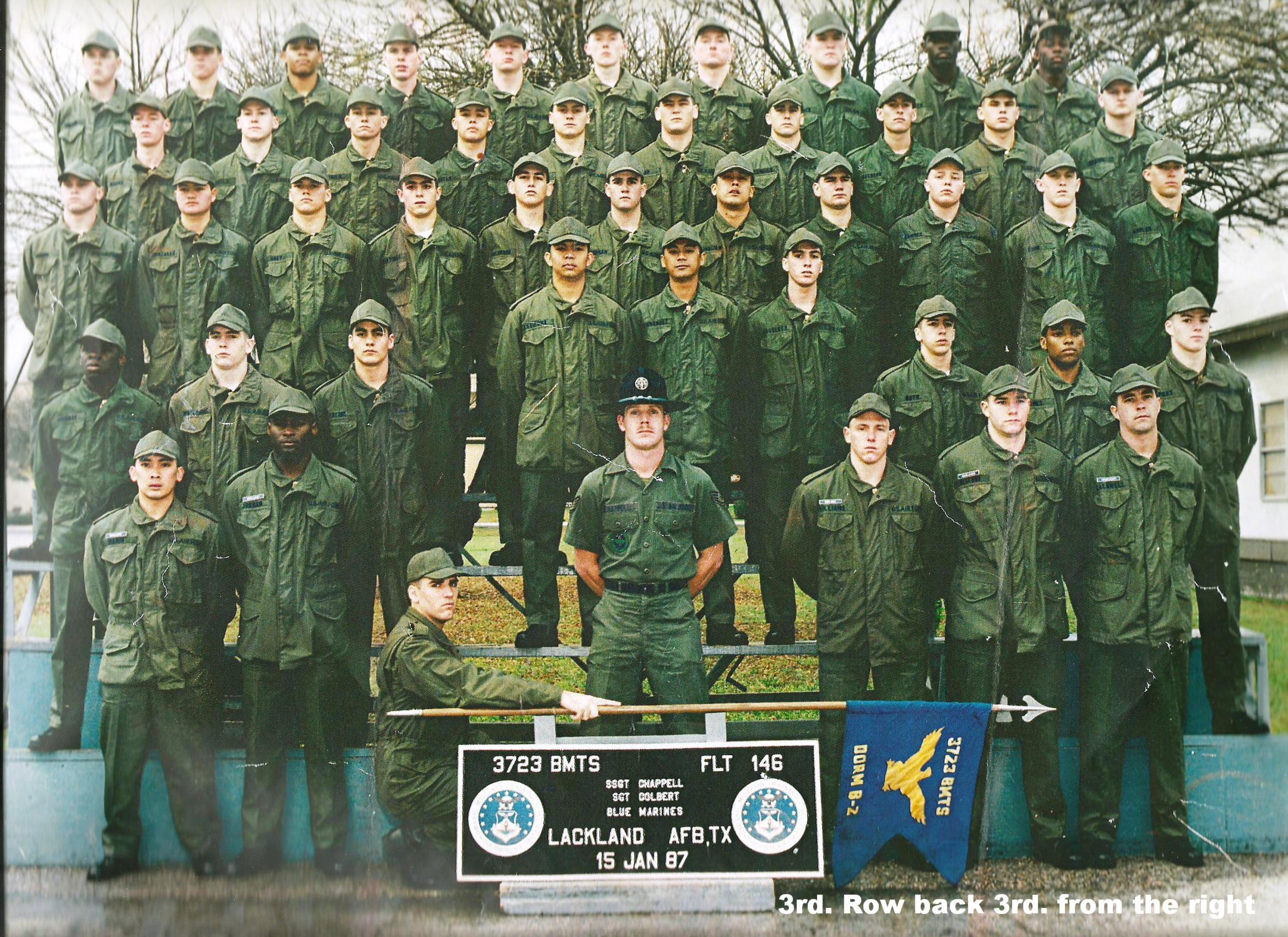
U.S. Air Force • 1987
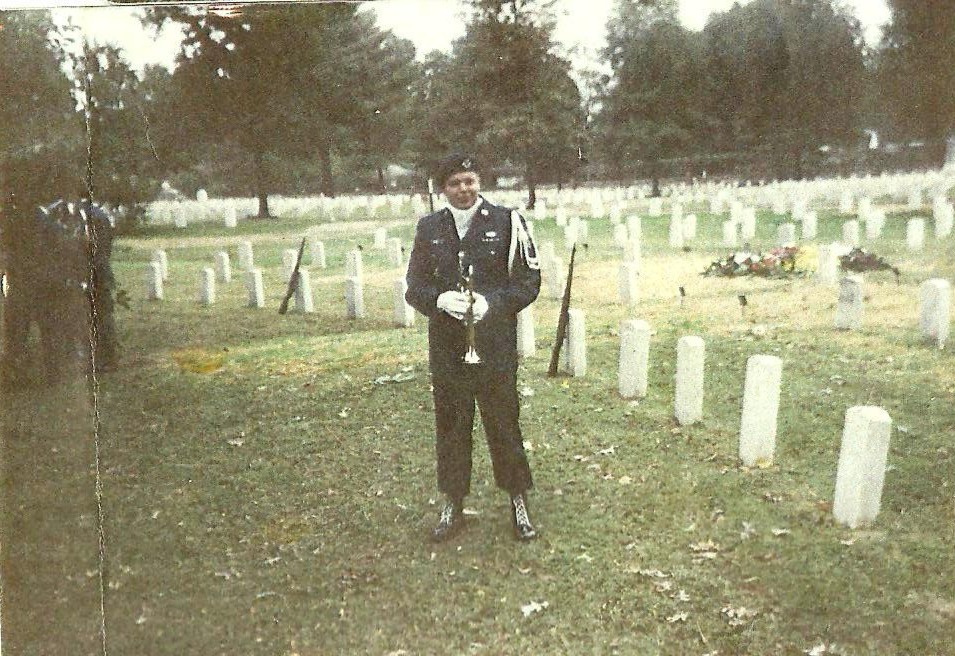
97th. Bom wing • U.S. Air Force • 1988