
Opening branch overview
Building the branch home surface
Loading branch highlights, featured unit context, and gallery moments.
Overview
Members
Units
Building the branch home surface
Loading branch highlights, featured unit context, and gallery moments.
Building the branch units surface
Loading unit filters, rankings, and the branch unit grid.

U.S. Air Force•37 members
Relive and share the memories of your service-time with your brothers and sisters in arms today. VetFriends.com can help you reconnect.
Did you proudly serve in the 1st Combat Evaluation Group, SAC?
Are you looking for someone who is or was in the 1st Combat Evaluation Group, SAC?
Do you have 1st Combat Evaluation Group, SAC photos you'd like to share?
Then join a community with your brothers and sisters of the 1st Combat Evaluation Group, SAC.
The 1st Combat Evaluation Group (1CEVG) was a United States Air Force unit established in 1961 under Strategic Air Command (SAC). Its primary mission was to assess and improve the effectiveness of SAC's bomber and missile forces through operational evaluations, radar bomb scoring, and electronic warfare training. The group managed several detachments and mobile teams equipped with sophisticated radar and scoring equipment, often simulating enemy defenses to sharpen aircrew skills. 1CEVG played a crucial role during the Cold War, ensuring SAC’s strategic forces maintained high readiness and accuracy until its inactivation in 1992 following the end of the Cold War and the restructuring of Air Force operations.
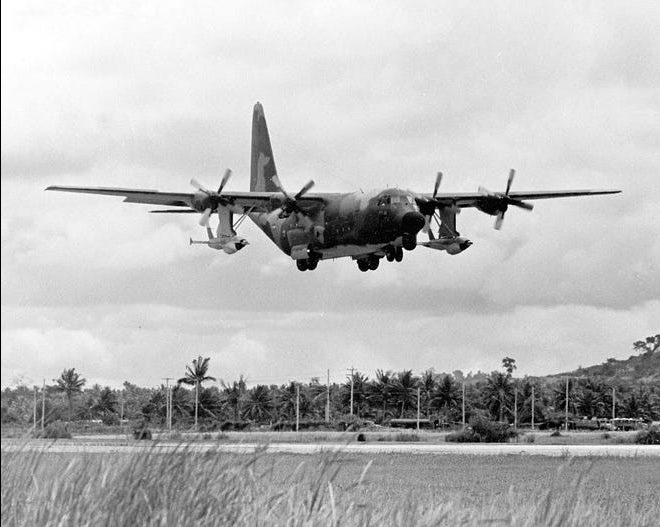
52nd Fighter Wing • U.S. Air Force • 1972
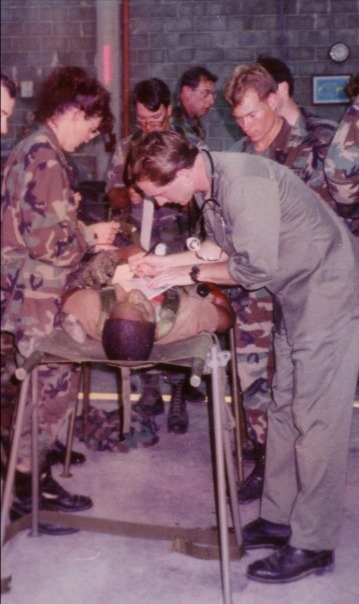
U.S. Air Force
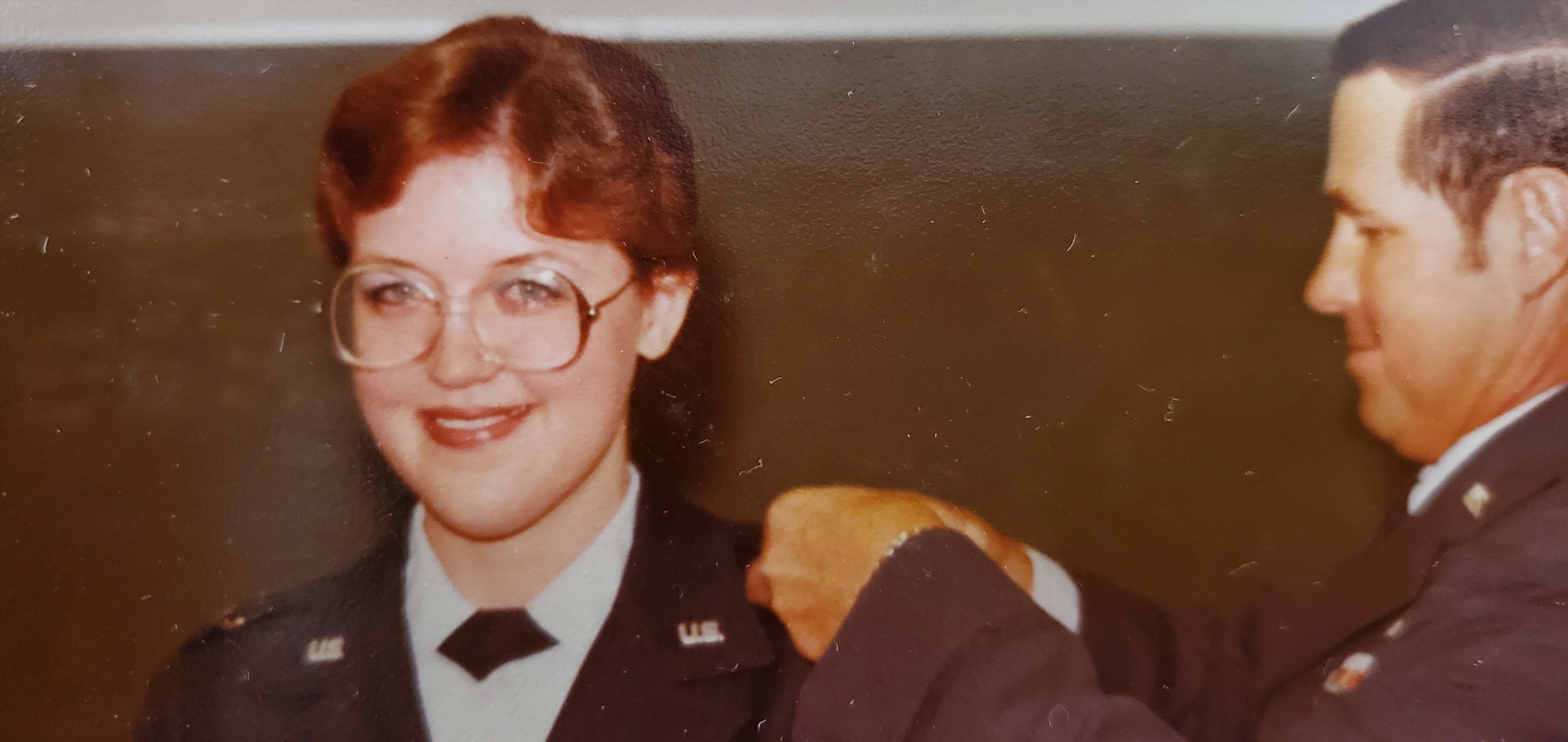
U.S. Air Force
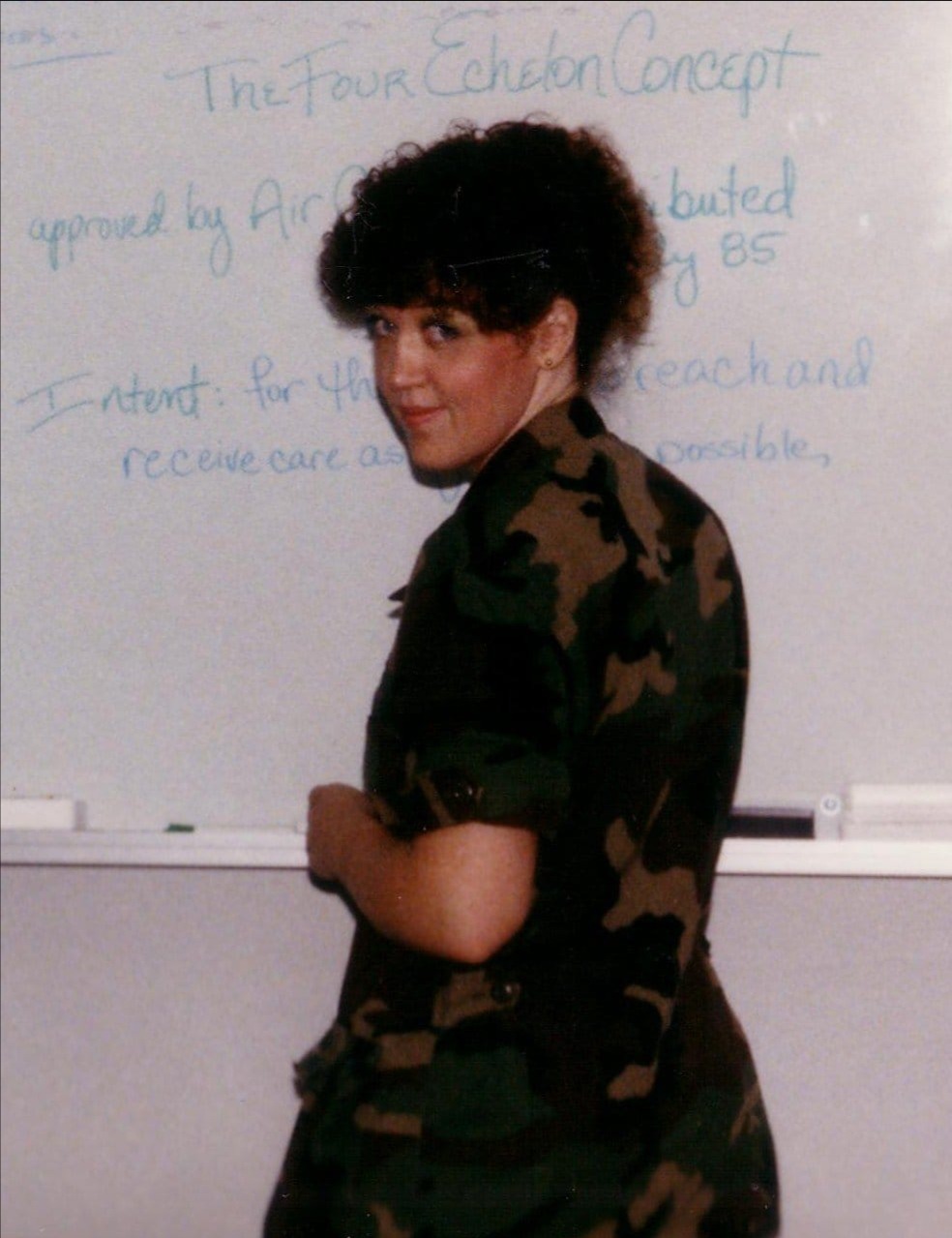
U.S. Air Force