
Opening branch overview
Building the branch home surface
Loading branch highlights, featured unit context, and gallery moments.
Overview
Members
Units
Building the branch home surface
Loading branch highlights, featured unit context, and gallery moments.
Building the branch units surface
Loading unit filters, rankings, and the branch unit grid.

18 members•1 unit
Relive and share the memories of your service-time with your brothers and sisters in arms today. VetFriends.com can help you reconnect.
Did you proudly serve in the 1st Combat Evaluation Group?
Are you looking for someone who is or was in the 1st Combat Evaluation Group?
Do you have 1st Combat Evaluation Group photos you'd like to share?
Then join a community with your brothers and sisters of the 1st Combat Evaluation Group.
Branch
U.S. Air Force
Members
18
The 1st Combat Evaluation Group (1CEVG) was a United States Air Force unit established in 1961 to enhance the effectiveness of Strategic Air Command's (SAC) bomber and missile forces during the Cold War. The group was responsible for operational evaluation, radar bomb scoring, and electronic countermeasure tests, ensuring SAC aircrews maintained combat readiness and precision. Headquartered at Barksdale Air Force Base, Louisiana, 1CEVG operated numerous radar sites across the United States and abroad, providing realistic training and assessment. The unit played a vital role in improving U.S. strategic deterrence capabilities until its inactivation in 1992 following the end of the Cold War and the restructuring of Air Force evaluation programs.
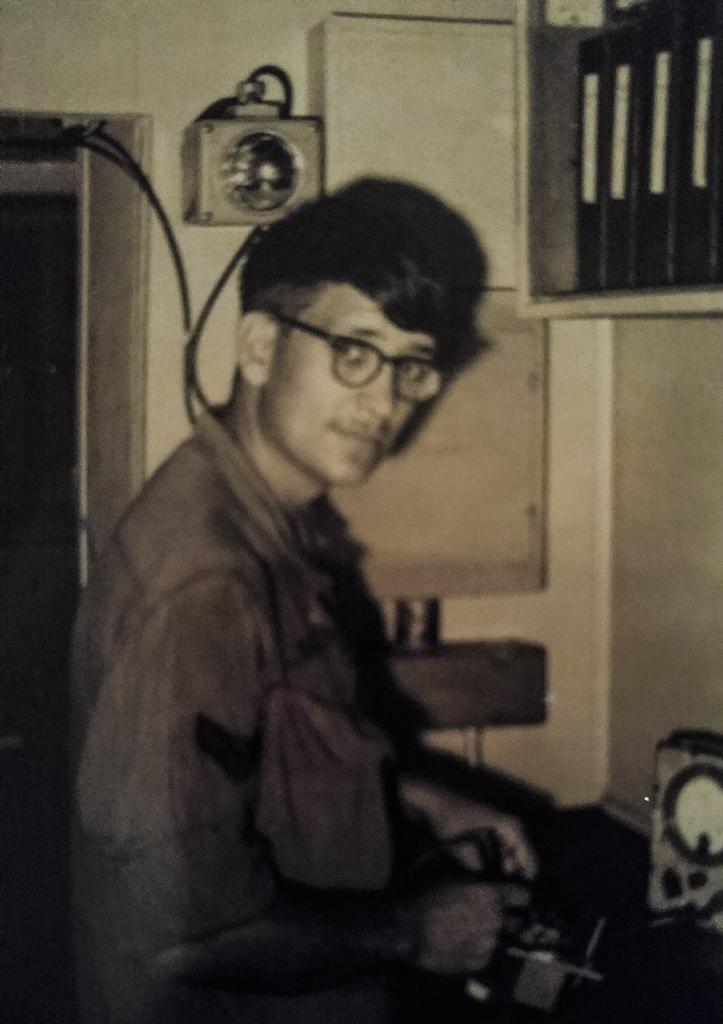
U.S. Air Force
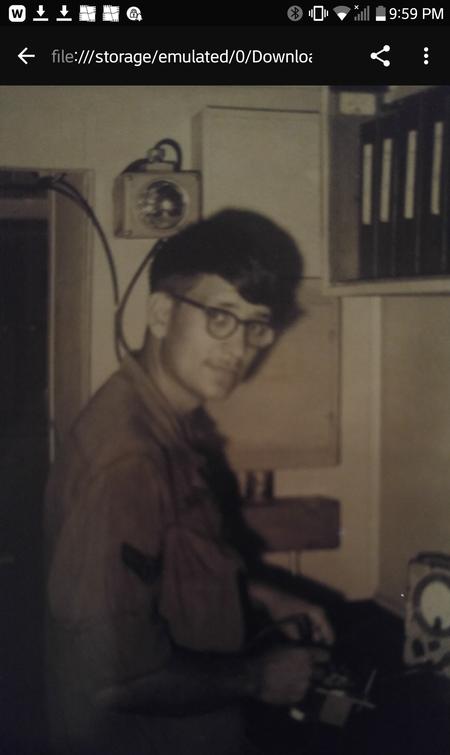
1st CEG OL-22 COMBAT SKYSPOT • U.S. Air Force • 1969

RETIRE AT HOME • U.S. Air Force • 2018
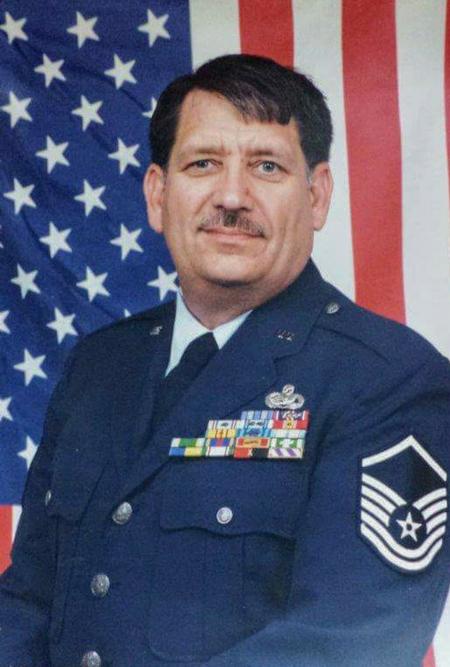
130 COM FLIGHT • U.S. Air Force • 1968