
Opening branch overview
Building the branch home surface
Loading branch highlights, featured unit context, and gallery moments.
Overview
Members
Units
Building the branch home surface
Loading branch highlights, featured unit context, and gallery moments.
Building the branch units surface
Loading unit filters, rankings, and the branch unit grid.

6 members•1 unit
Relive and share the memories of your service-time with your brothers and sisters in arms today. VetFriends.com can help you reconnect.
Did you proudly serve in the 1982 Communications Squadron?
Are you looking for someone who is or was in the 1982 Communications Squadron?
Do you have 1982 Communications Squadron photos you'd like to share?
Then join a community with your brothers and sisters of the 1982 Communications Squadron.
Branch
U.S. Air Force
Members
6
The 1982 Communications Squadron was established in the early 1960s to provide vital communications support within the Royal Air Force. Originally formed to manage secure and reliable radio and telecommunication links for operational commands, the unit played a key role during the Cold War, ensuring uninterrupted communications across various theaters. Throughout the 1970s and 1980s, the squadron adapted to emerging technologies, expanding its capabilities to include satellite and digital communication systems. The 1982 Communications Squadron’s legacy is marked by its commitment to operational readiness and technical innovation in support of air operations.
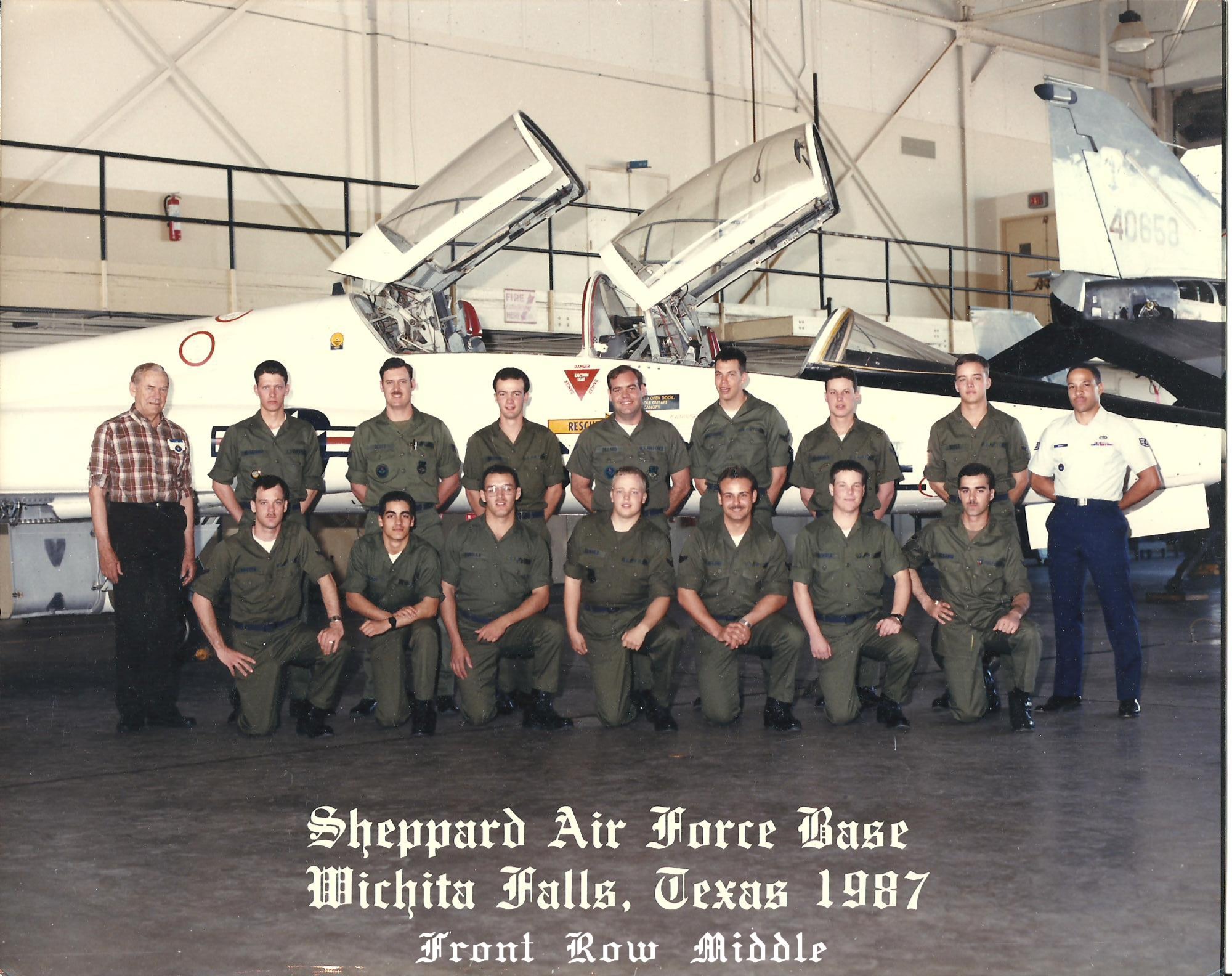
U.S. Air Force • 1987
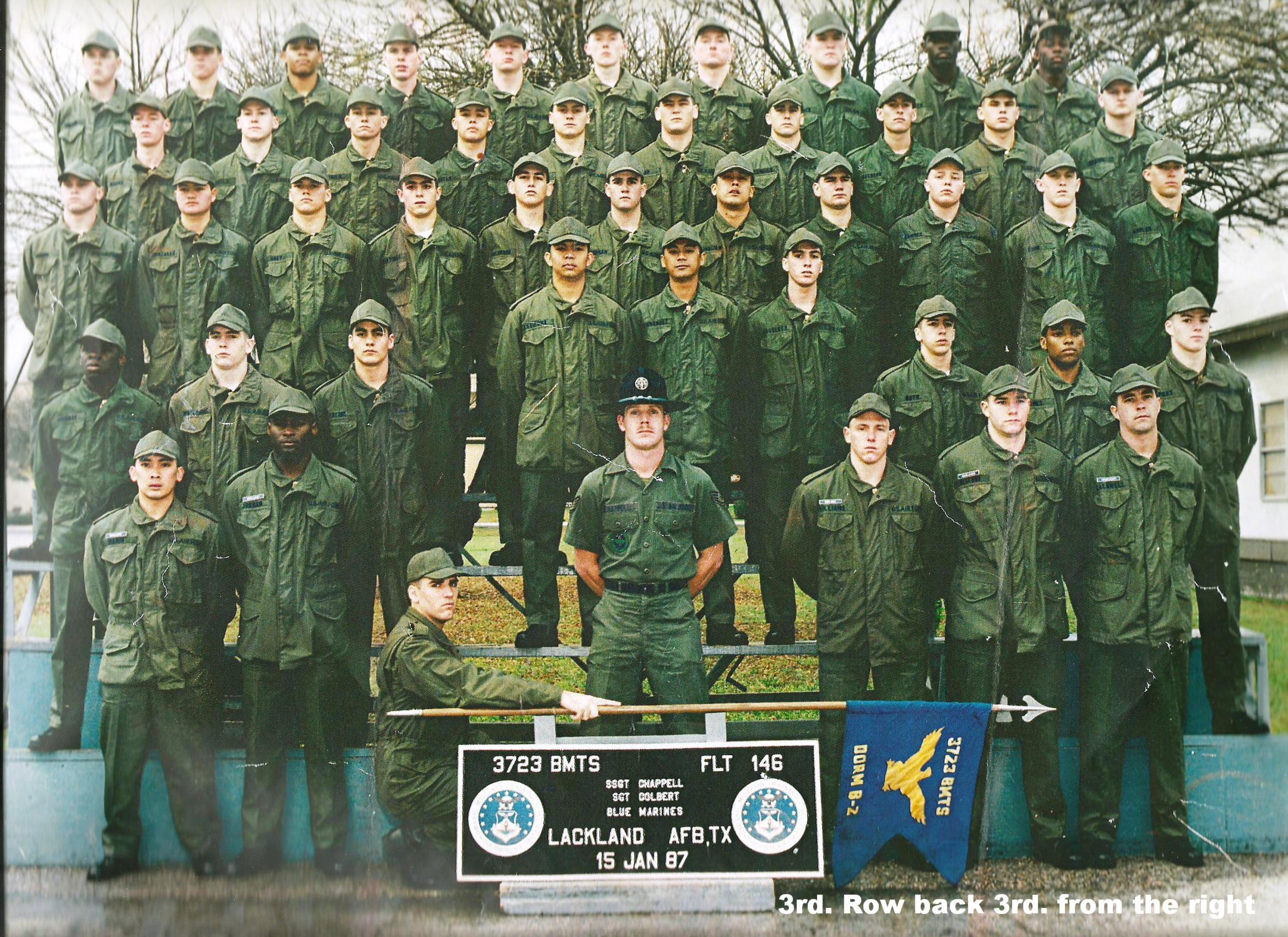
U.S. Air Force • 1987
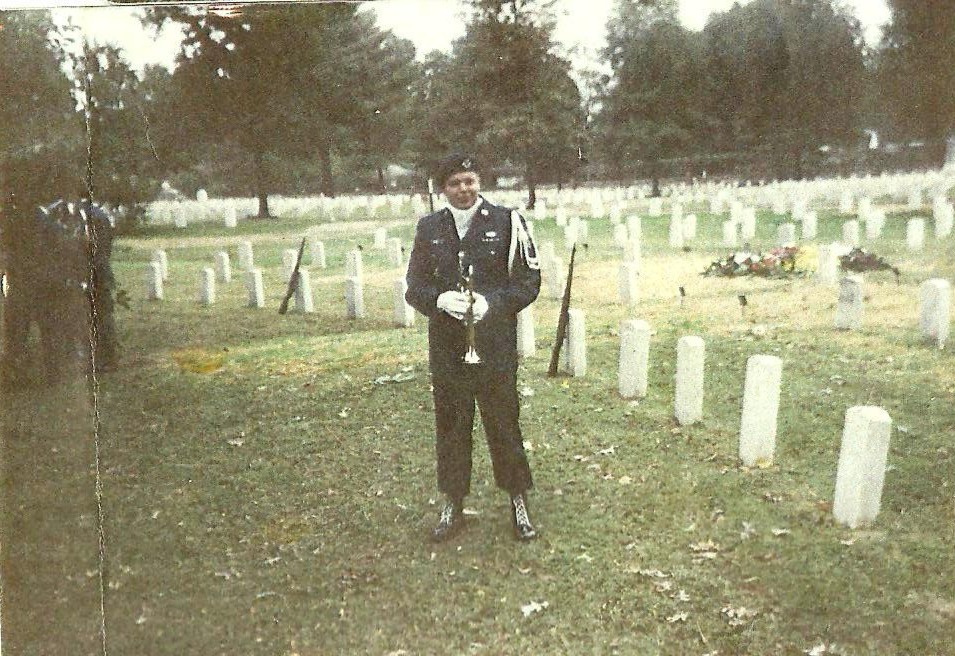
97th. Bom wing • U.S. Air Force • 1988
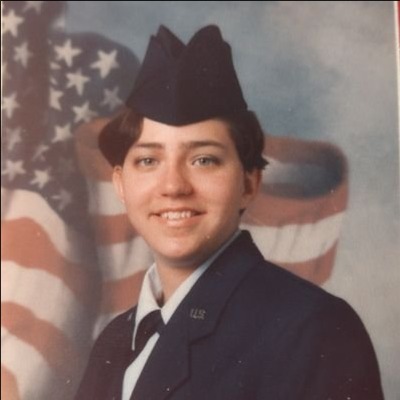
323rd TRS • U.S. Air Force • 2001