
Opening branch overview
Building the branch home surface
Loading branch highlights, featured unit context, and gallery moments.
Overview
Members
Units
Building the branch home surface
Loading branch highlights, featured unit context, and gallery moments.
Building the branch units surface
Loading unit filters, rankings, and the branch unit grid.

U.S. Air Force•41 members
Relive and share the memories of your service-time with your brothers and sisters in arms today. VetFriends.com can help you reconnect.
Did you proudly serve in the 1964th Communications Group?
Are you looking for someone who is or was in the 1964th Communications Group?
Do you have 1964th Communications Group photos you'd like to share?
Then join a community with your brothers and sisters of the 1964th Communications Group.
The 1964th Communications Group was a United States Air Force unit established to provide vital communications support within the Pacific theater. Activated during the Cold War, it played a key role in maintaining command and control capabilities for U.S. forces stationed in the region, particularly in the Philippines at Clark Air Base. The group managed a variety of communications systems, including radio, telephone, and secure data links, ensuring reliable information flow for both operational and administrative needs. Its contributions were critical during periods of heightened tension and conflict, notably during the Vietnam War, before the group was inactivated as part of broader post-Cold War restructuring.
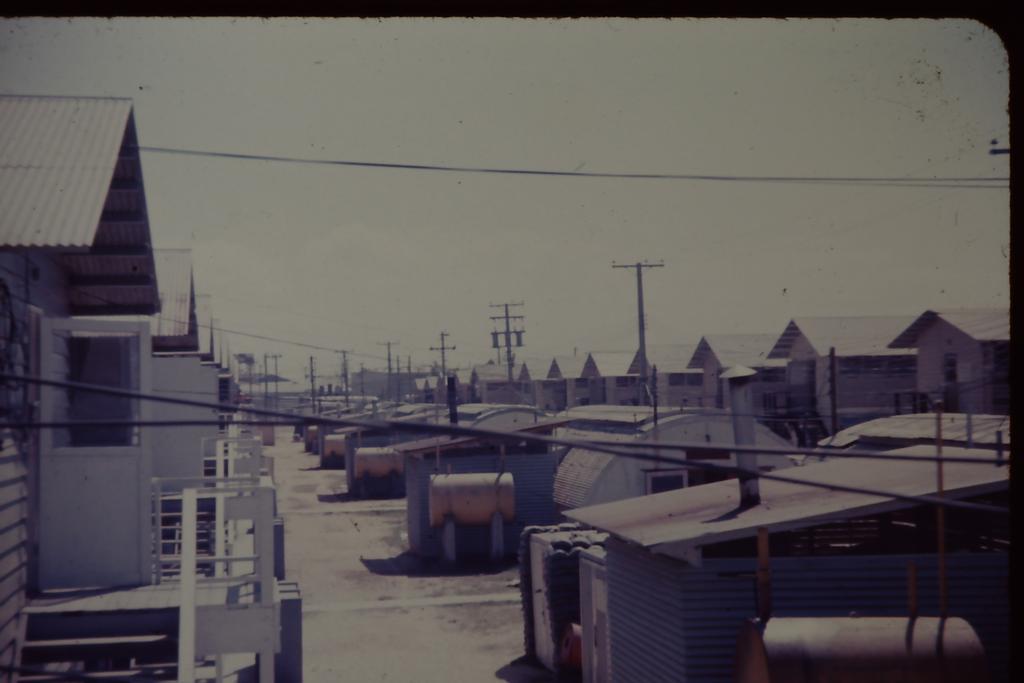
U.S. Air Force
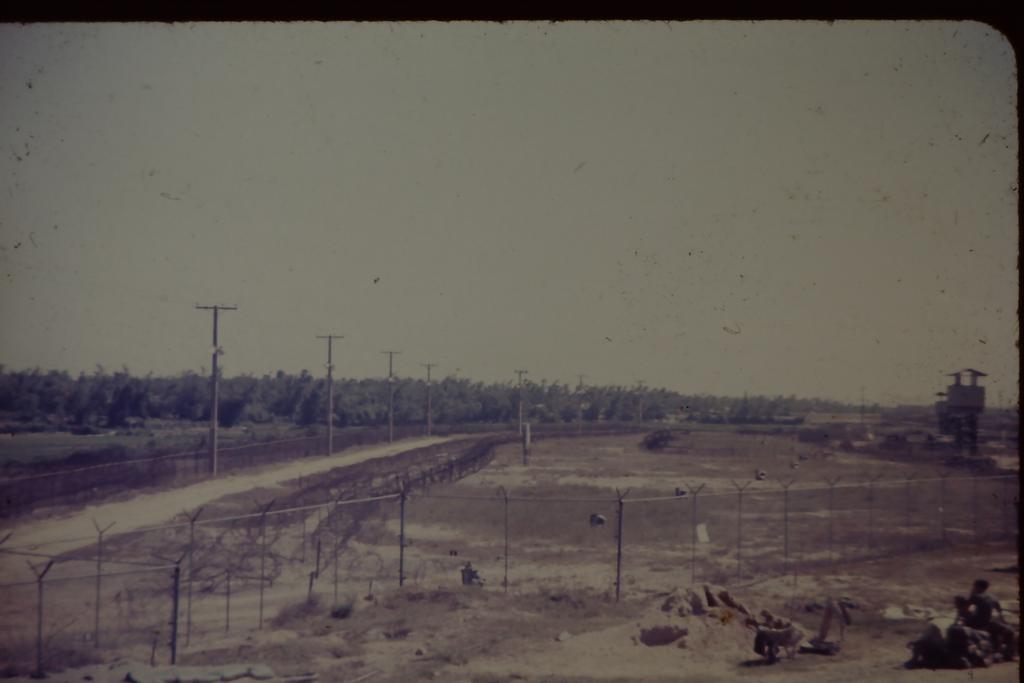
U.S. Air Force
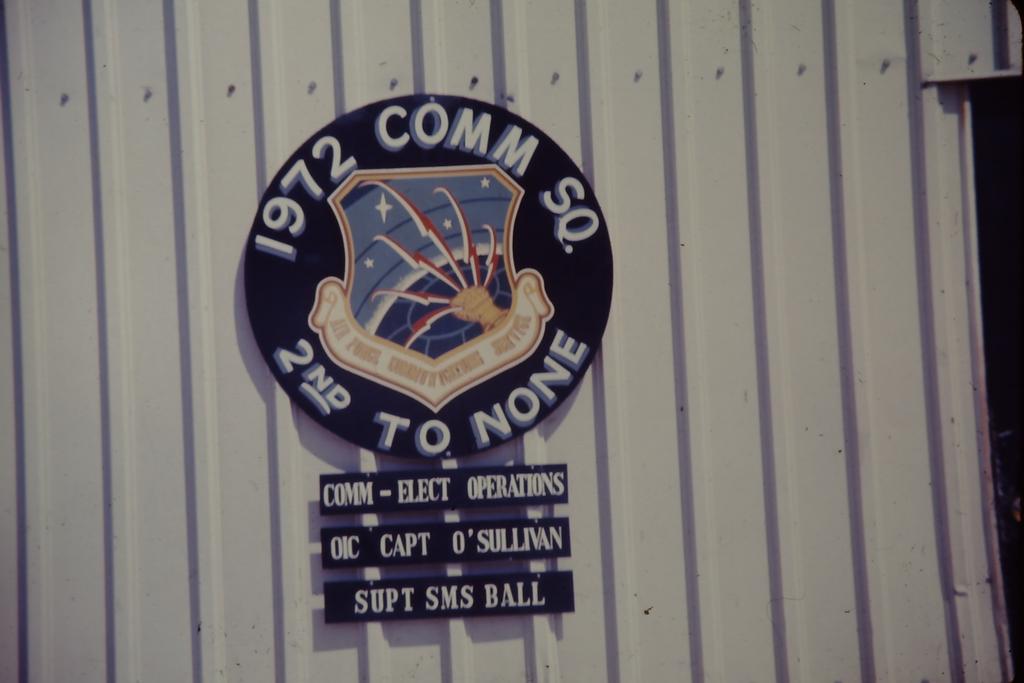
U.S. Air Force