
Opening branch overview
Building the branch home surface
Loading branch highlights, featured unit context, and gallery moments.
Overview
Members
Units
Building the branch home surface
Loading branch highlights, featured unit context, and gallery moments.
Building the branch units surface
Loading unit filters, rankings, and the branch unit grid.

U.S. Air Force•41 members
Relive and share the memories of your service-time with your brothers and sisters in arms today. VetFriends.com can help you reconnect.
Did you proudly serve in the 1836 EIG?
Are you looking for someone who is or was in the 1836 EIG?
Do you have 1836 EIG photos you'd like to share?
Then join a community with your brothers and sisters of the 1836 EIG.
The 1836th Engineering Installation Group (1836 EIG) is a specialized unit within the United States Air Force, known for its expertise in engineering, installing, and maintaining critical communications and information systems infrastructure. Established during the Cold War era, the unit has played a vital role in supporting Air Force operations by ensuring robust and secure communications capabilities at home and abroad. Over the decades, the 1836 EIG has deployed to numerous locations around the world, providing rapid-response support for both peacetime and contingency operations. Through its technical proficiency and dedication, the unit continues to be an essential component of the Air Force’s global communications network.
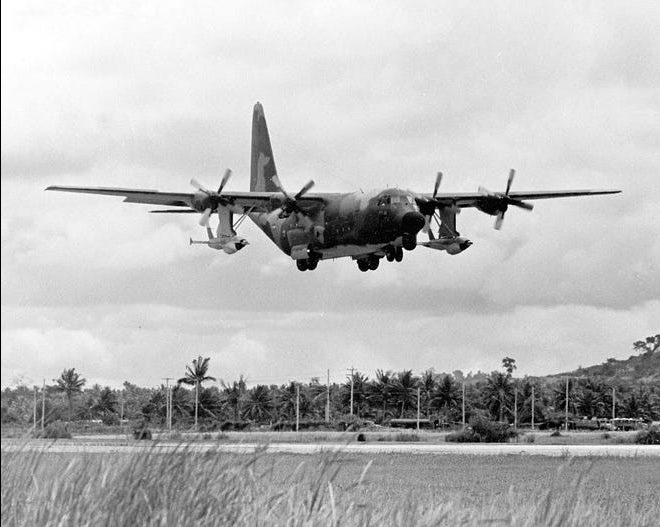
52nd Fighter Wing • U.S. Air Force • 1972
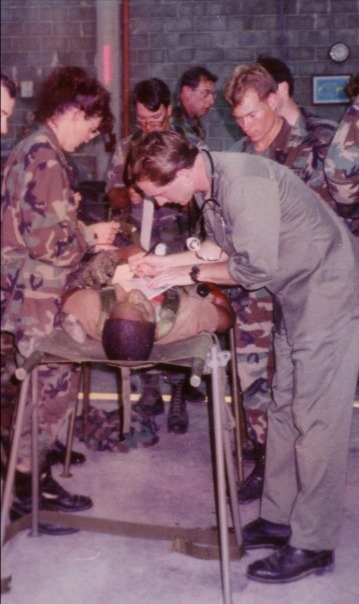
U.S. Air Force
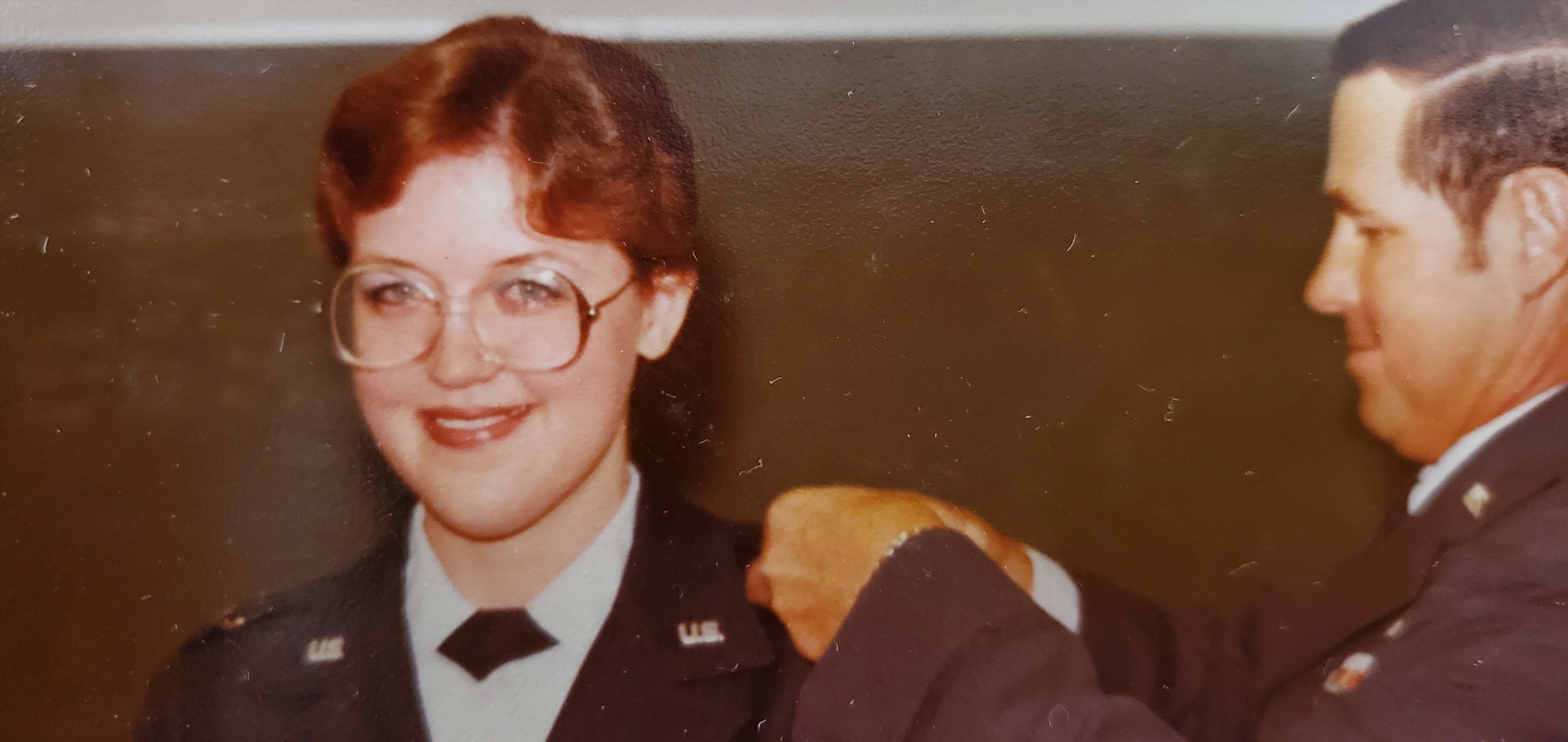
U.S. Air Force
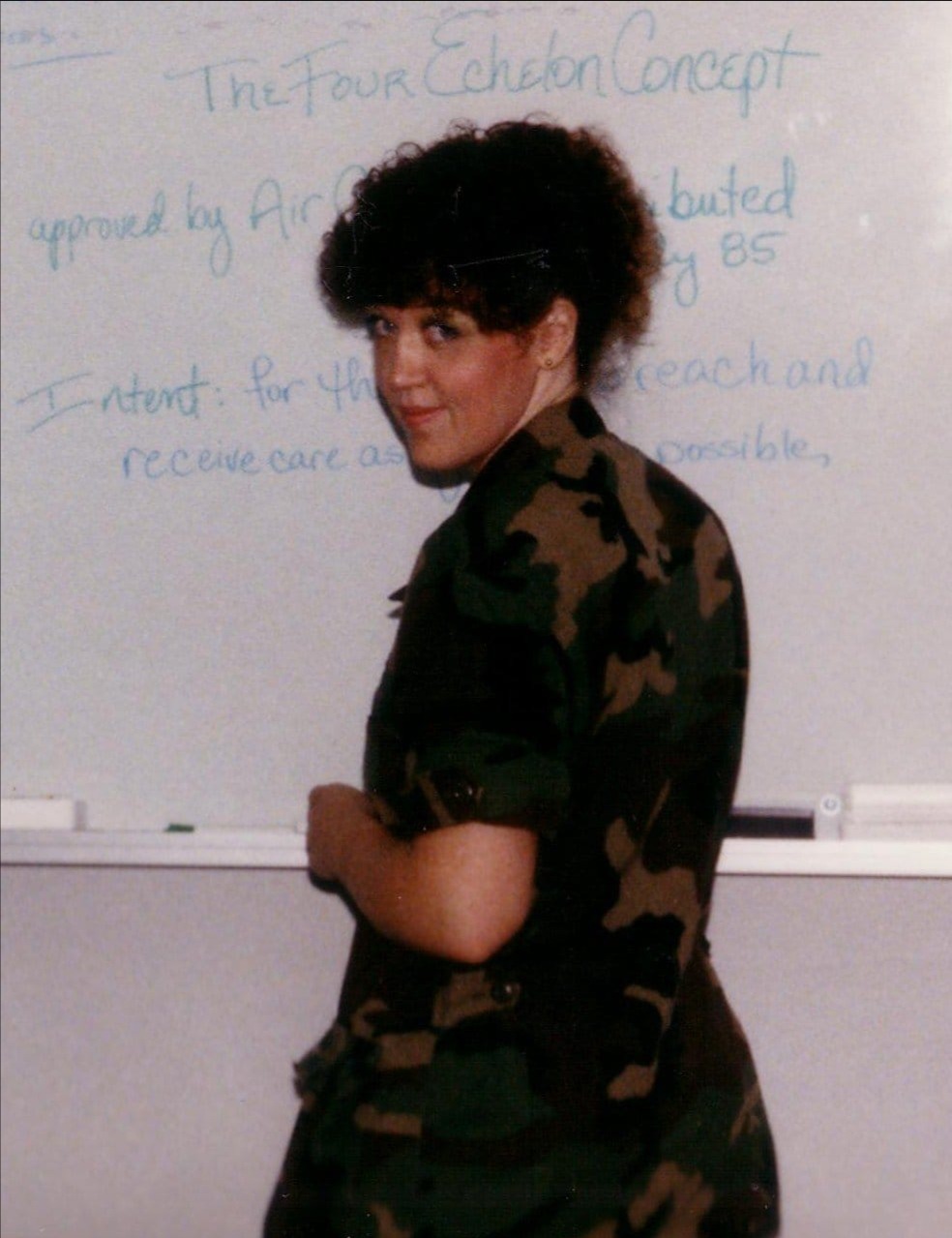
U.S. Air Force