
Opening branch overview
Building the branch home surface
Loading branch highlights, featured unit context, and gallery moments.
Overview
Members
Units
Building the branch home surface
Loading branch highlights, featured unit context, and gallery moments.
Building the branch units surface
Loading unit filters, rankings, and the branch unit grid.

23 members•1 unit
Relive and share the memories of your service-time with your brothers and sisters in arms today. VetFriends.com can help you reconnect.
Did you proudly serve in the 1827th EIS?
Are you looking for someone who is or was in the 1827th EIS?
Do you have 1827th EIS photos you'd like to share?
Then join a community with your brothers and sisters of the 1827th EIS.
Branch
U.S. Air Force
Members
23
The 1827th Electronics Installation Squadron (EIS) is a unit of the United States Air Force specializing in the installation, maintenance, and support of communications and electronic systems. Established during the Cold War era, the 1827th EIS has played a vital role in setting up and upgrading secure communication networks at various Air Force installations worldwide. The squadron's expertise extends to radar systems, satellite communications, and air traffic control equipment, contributing to enhanced operational readiness. Over the years, the 1827th EIS has supported numerous missions, both stateside and overseas, demonstrating adaptability and technical proficiency in rapidly evolving technological environments.
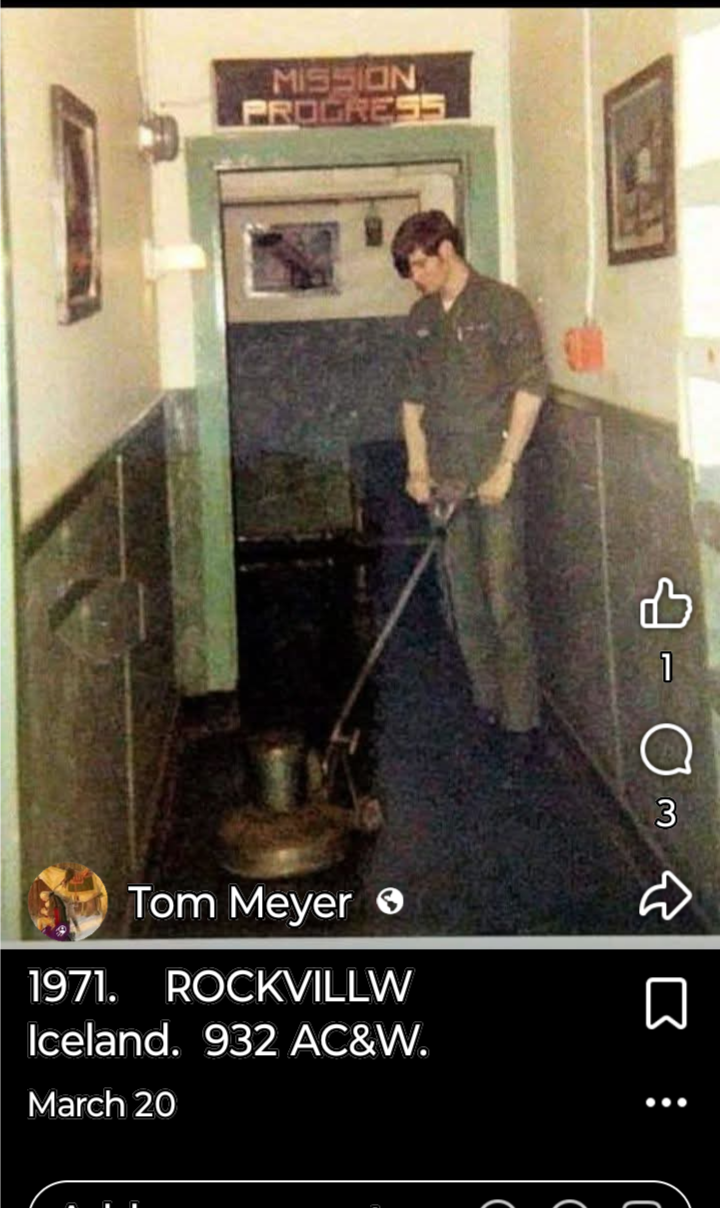
U.S. Air Force • 1971

U.S. Air Force
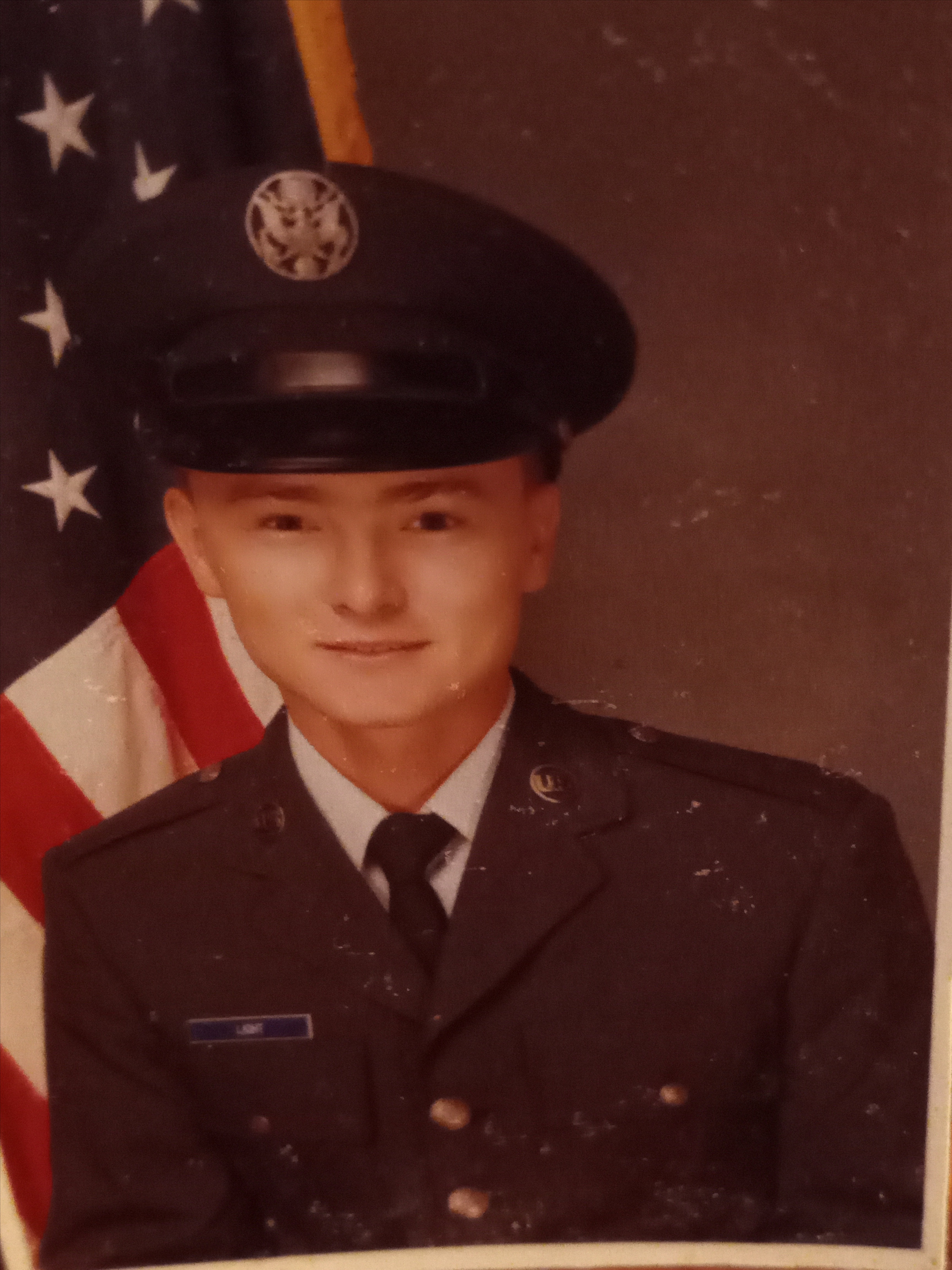
U.S. Air Force
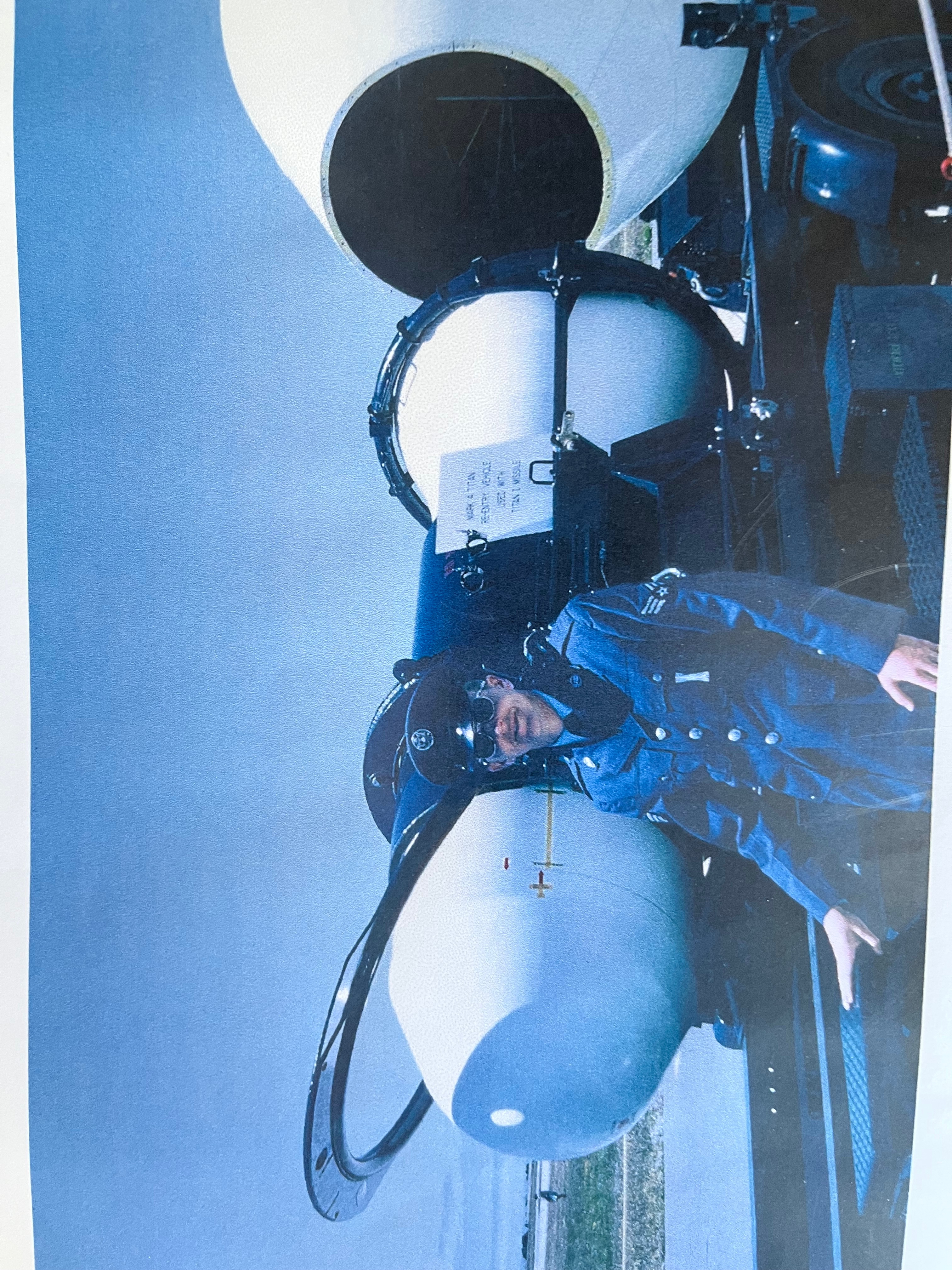
51st MMS (SAC) • U.S. Air Force • 1963