
Opening branch overview
Building the branch home surface
Loading branch highlights, featured unit context, and gallery moments.
Overview
Members
Units
Building the branch home surface
Loading branch highlights, featured unit context, and gallery moments.
Building the branch units surface
Loading unit filters, rankings, and the branch unit grid.

37 members•1 unit
Relive and share the memories of your service-time with your brothers and sisters in arms today. VetFriends.com can help you reconnect.
Did you proudly serve in the 16 SURS, 1st Space Wing (SPC), Shemya AFB, AK?
Are you looking for someone who is or was in the 16 SURS, 1st Space Wing (SPC), Shemya AFB, AK?
Do you have 16 SURS, 1st Space Wing (SPC), Shemya AFB, AK photos you'd like to share?
Then join a community with your brothers and sisters of the 16 SURS, 1st Space Wing (SPC), Shemya AFB, AK.
Branch
U.S. Air Force
Members
37
The **16th Space Surveillance Squadron (16 SURS)** was a United States Air Force unit assigned to the 1st Space Wing (SPC), stationed at Shemya Air Force Base, Alaska. Activated during the Cold War, 16 SURS operated as a key component of the Air Force Space Command's space surveillance network, utilizing the Cobra Dane radar system to track and identify objects in Earth's orbit and monitor Soviet missile activity. Their mission was vital for missile warning, space object identification, and supporting national security objectives. The squadron’s strategic location on Shemya Island enabled it to provide early warning and intelligence critical to U.S. defense throughout its period of operation.
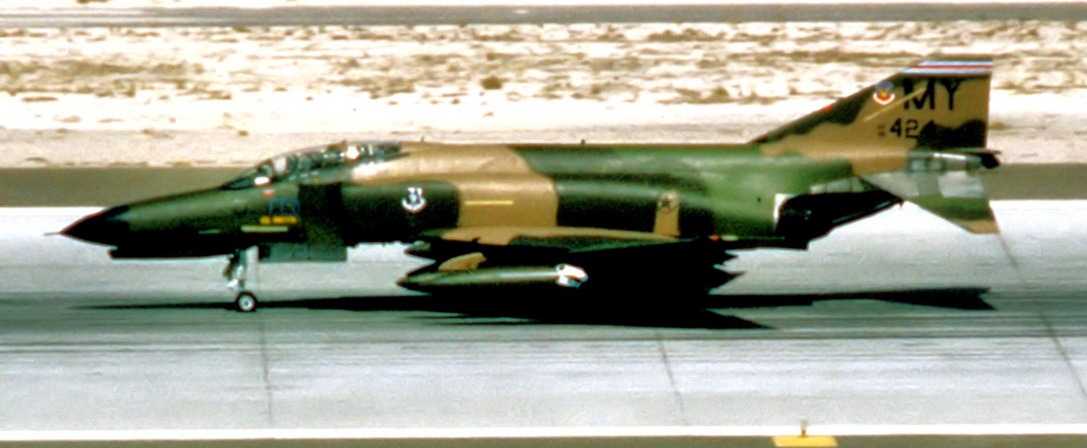
68th AGS • U.S. Air Force • 1976
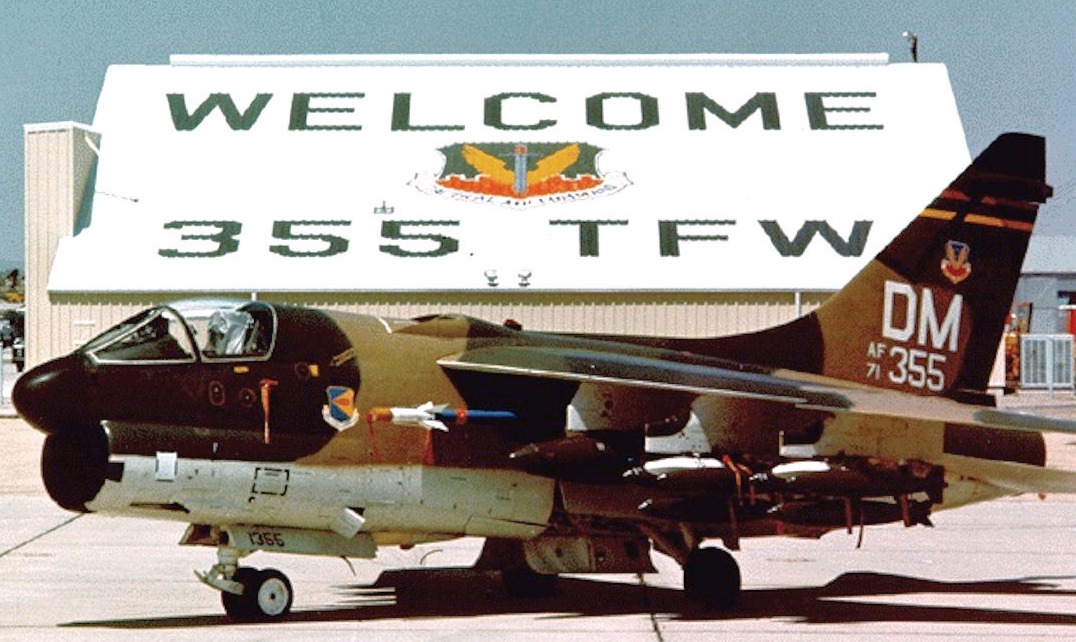
355th AMS • U.S. Air Force • 1974
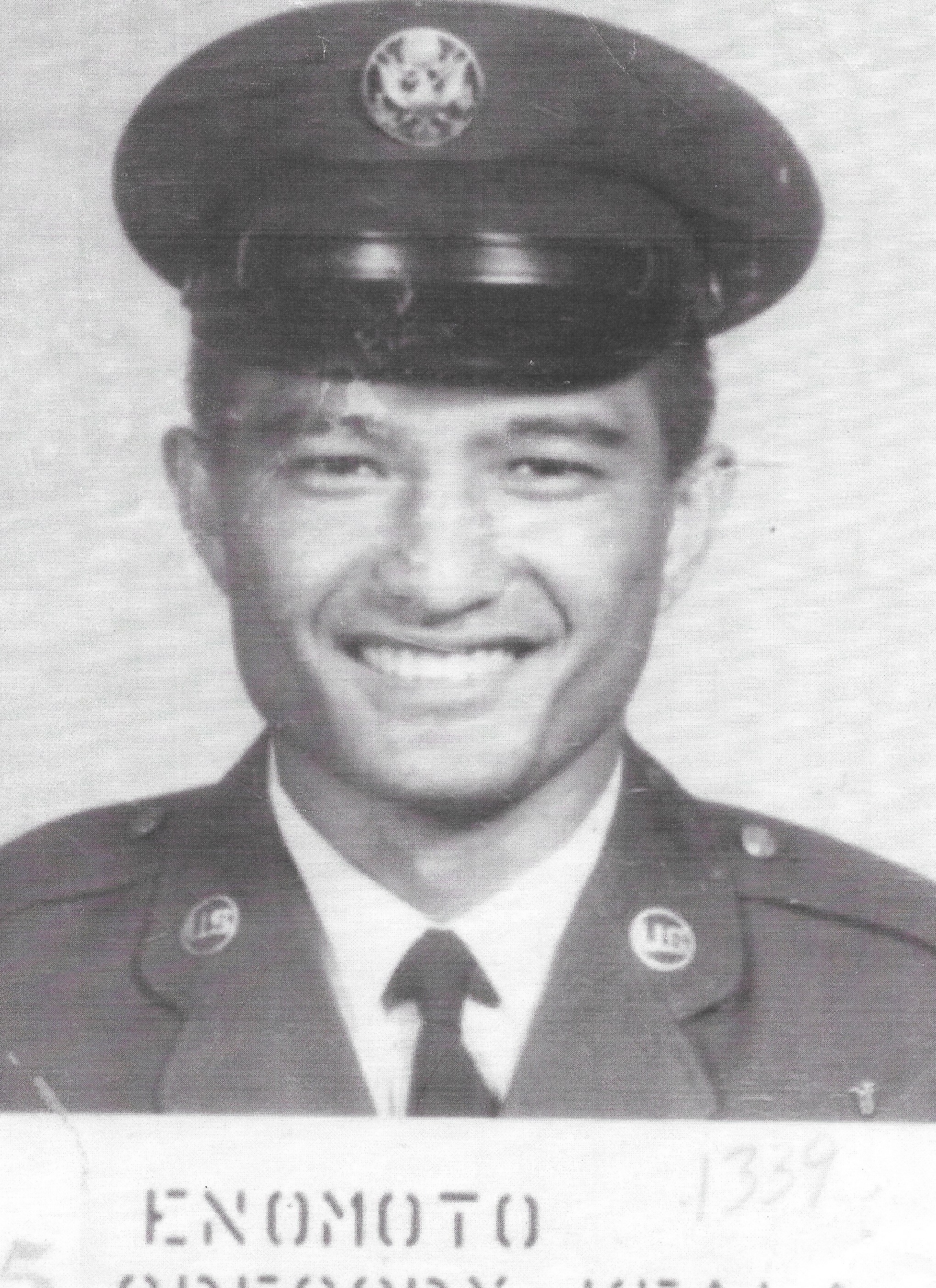
Flight 1354 • U.S. Air Force • 1973
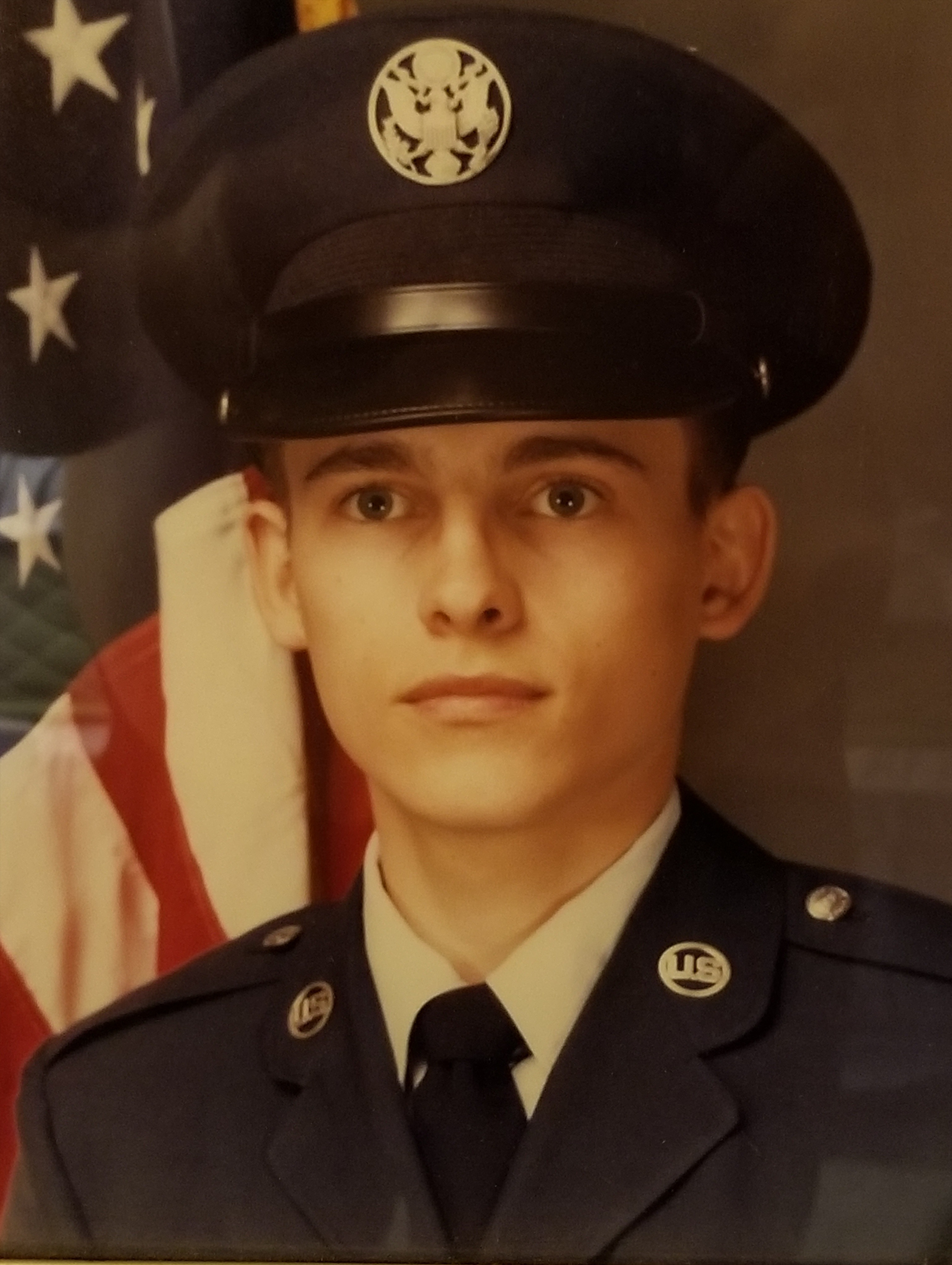
22 ATH MARCH AFB SUNNYMEAD California • U.S. Air Force • 1982