
Opening branch overview
Building the branch home surface
Loading branch highlights, featured unit context, and gallery moments.
Overview
Members
Units
Building the branch home surface
Loading branch highlights, featured unit context, and gallery moments.
Building the branch units surface
Loading unit filters, rankings, and the branch unit grid.

U.S. Air Force•28 members
Relive and share the memories of your service-time with your brothers and sisters in arms today. VetFriends.com can help you reconnect.
Did you proudly serve in the 15th APS?
Are you looking for someone who is or was in the 15th APS?
Do you have 15th APS photos you'd like to share?
Then join a community with your brothers and sisters of the 15th APS.
The 15th Airlift Platoon Squadron (15th APS) was established in the late 20th century as a vital component of its nation's tactical airlift capability. Tasked primarily with rapid deployment and logistical support, the unit has participated in numerous operations, including humanitarian relief missions and multinational exercises. Over the years, the 15th APS has operated a variety of transport aircraft, adapting to evolving mission requirements and technological advancements. Its professionalism and operational excellence have earned the unit several commendations and a respected reputation within the armed forces.
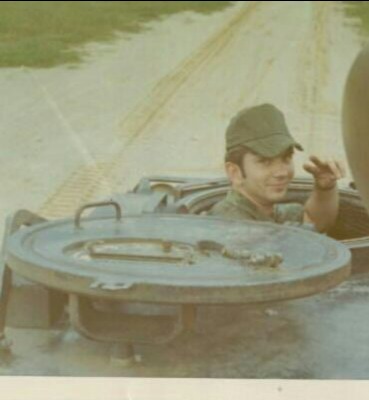
U.S. Air Force
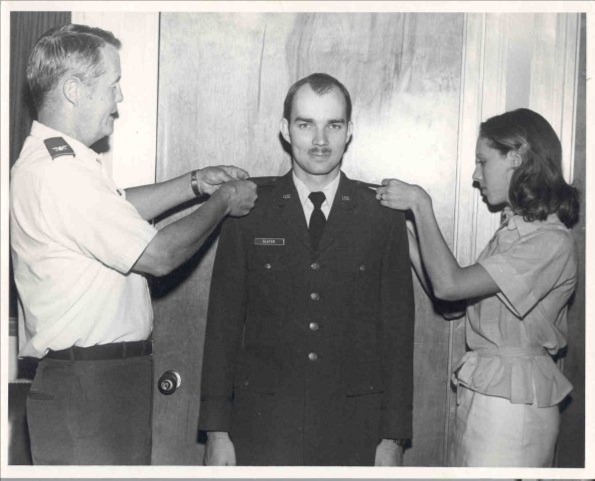
3900 CPUSS • U.S. Air Force • 1979
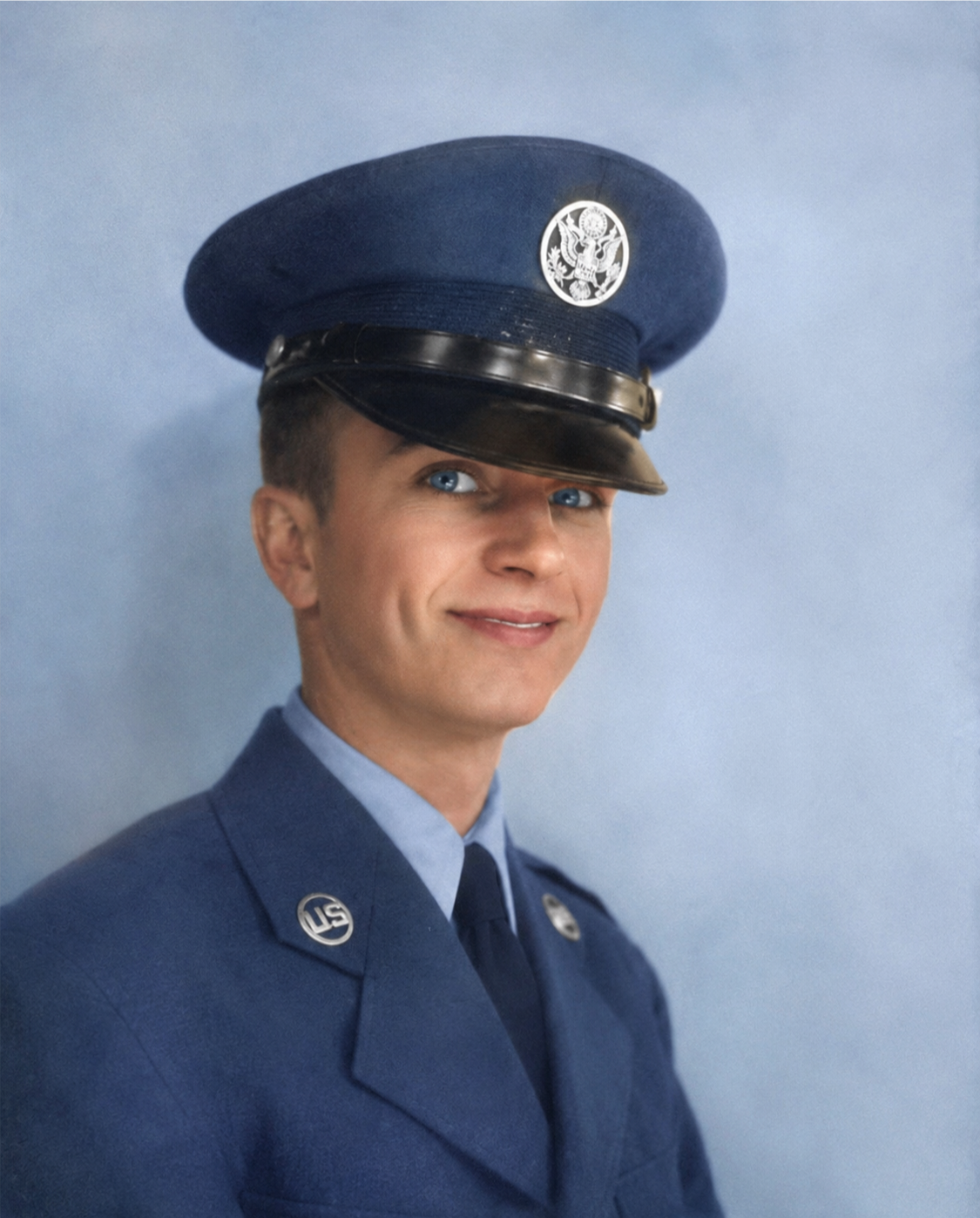
U.S. Air Force
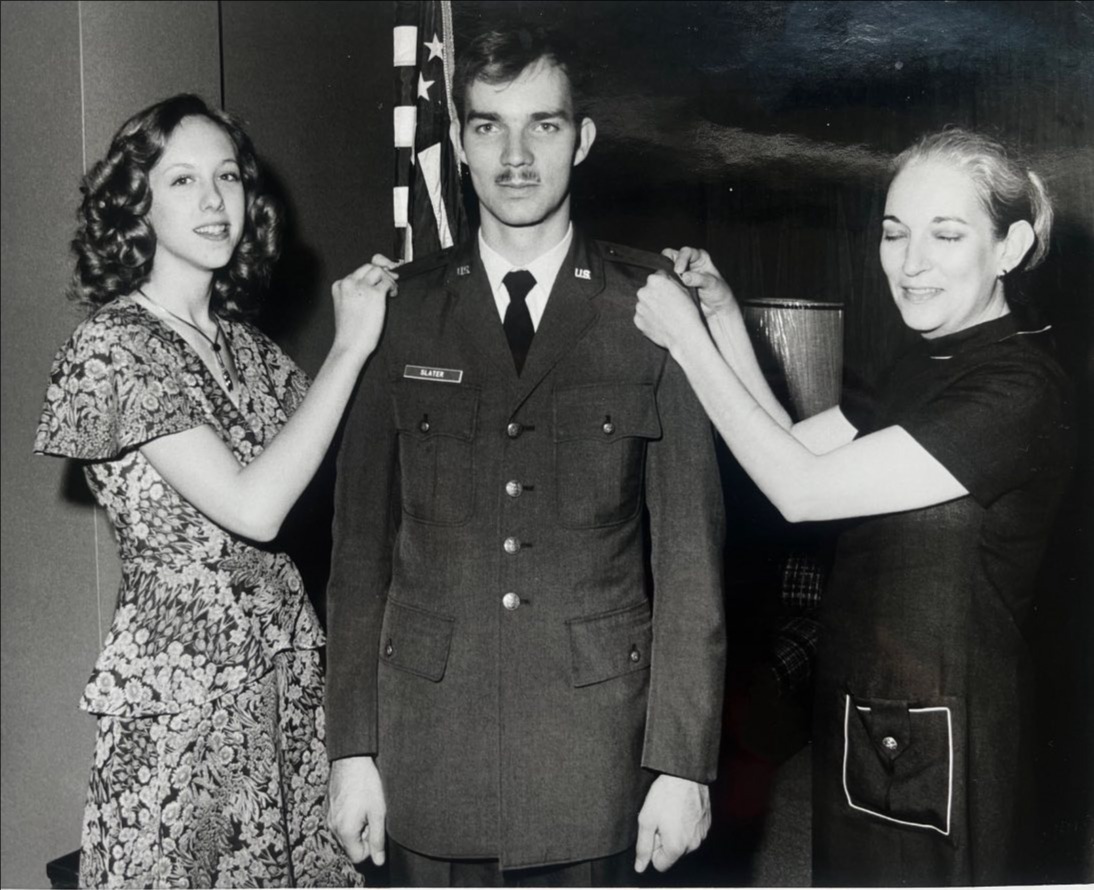
3900 CPUSS • U.S. Air Force • 1977