
Opening branch overview
Building the branch home surface
Loading branch highlights, featured unit context, and gallery moments.
Overview
Members
Units
Building the branch home surface
Loading branch highlights, featured unit context, and gallery moments.
Building the branch units surface
Loading unit filters, rankings, and the branch unit grid.

U.S. Air Force•17 members
Relive and share the memories of your service-time with your brothers and sisters in arms today. VetFriends.com can help you reconnect.
Did you proudly serve in the 14th AF?
Are you looking for someone who is or was in the 14th AF?
Do you have 14th AF photos you'd like to share?
Then join a community with your brothers and sisters of the 14th AF.
The 14th Air Force (14th AF) was originally activated in March 1943 during World War II, inheriting the legacy of the famed "Flying Tigers" and conducting critical air operations across the China-Burma-India Theater. Under the leadership of General Claire Chennault, the 14th AF provided vital air support, interdicted Japanese supply lines, and protected Chinese infrastructure. After the war, the unit experienced several periods of inactivation and reactivation, serving in various capacities during the Cold War and beyond. In the 21st century, the 14th AF was responsible for space operations as part of the Air Force Space Command until its missions were reorganized under the United States Space Force in 2019.
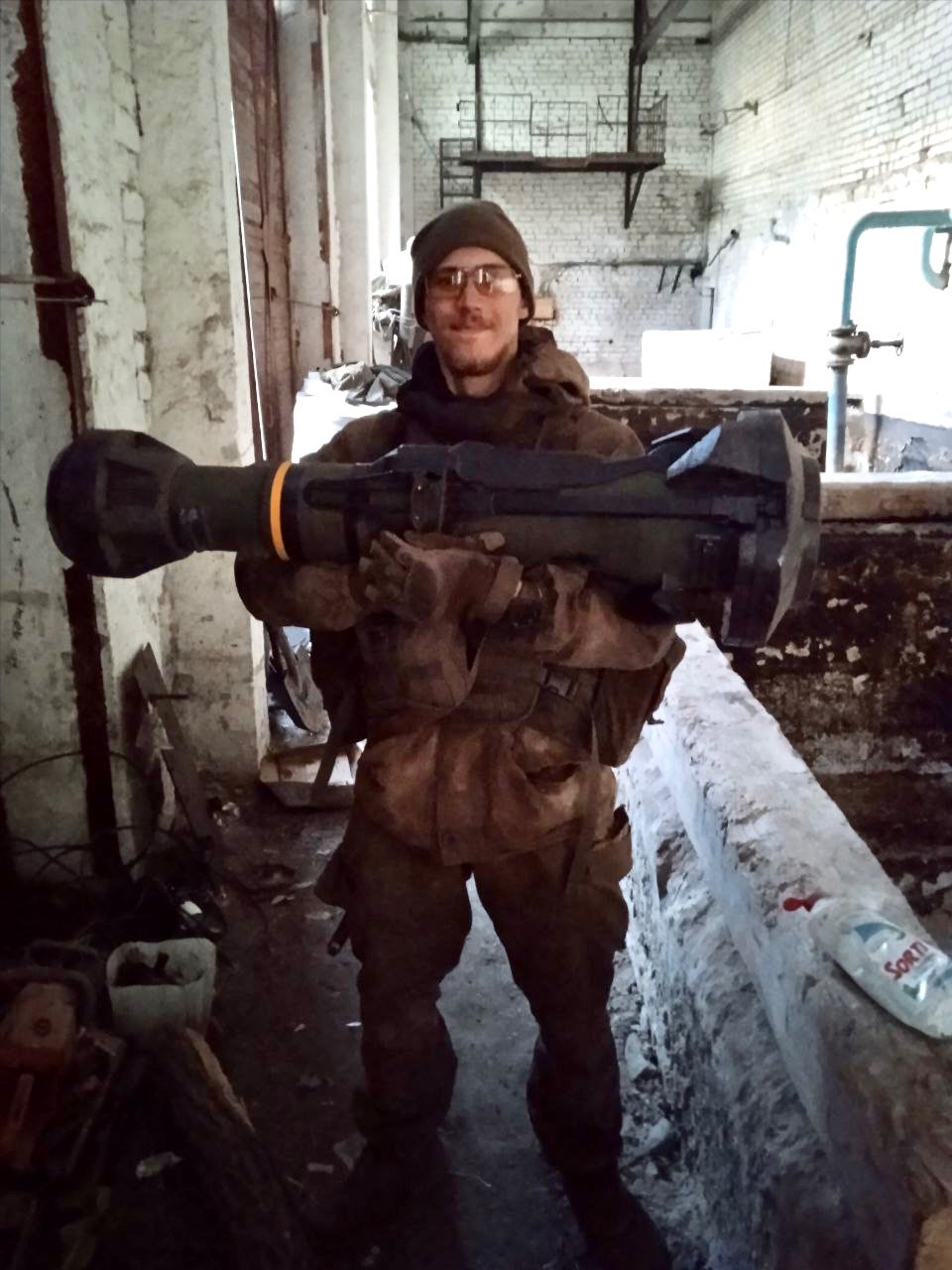
137th special ops wing • U.S. Air Force • 2022

U.S. Air Force

U.S. Air Force

U.S. Air Force