
Opening branch overview
Building the branch home surface
Loading branch highlights, featured unit context, and gallery moments.
Overview
Members
Units
Building the branch home surface
Loading branch highlights, featured unit context, and gallery moments.
Building the branch units surface
Loading unit filters, rankings, and the branch unit grid.

5 members•1 unit
Relive and share the memories of your service-time with your brothers and sisters in arms today. VetFriends.com can help you reconnect.
Did you proudly serve in the 11th USAFAD?
Are you looking for someone who is or was in the 11th USAFAD?
Do you have 11th USAFAD photos you'd like to share?
Then join a community with your brothers and sisters of the 11th USAFAD.
Branch
U.S. Air Force
Members
5
The 11th United States Army Field Artillery Detachment (11th USAFAD) was a specialized unit of the U.S. Army during the Cold War, stationed in West Germany. Tasked with the custodial security and maintenance of nuclear warheads, the 11th USAFAD worked closely with NATO allies, primarily supporting the Belgian Army's artillery units. The detachment ensured that nuclear ordnance could be rapidly deployed if authorized, reflecting the U.S. commitment to NATO's nuclear sharing policy. The unit was inactivated following the end of the Cold War and the subsequent reduction of U.S. nuclear weapons in Europe.

HQ Air University • U.S. Air Force • 2024
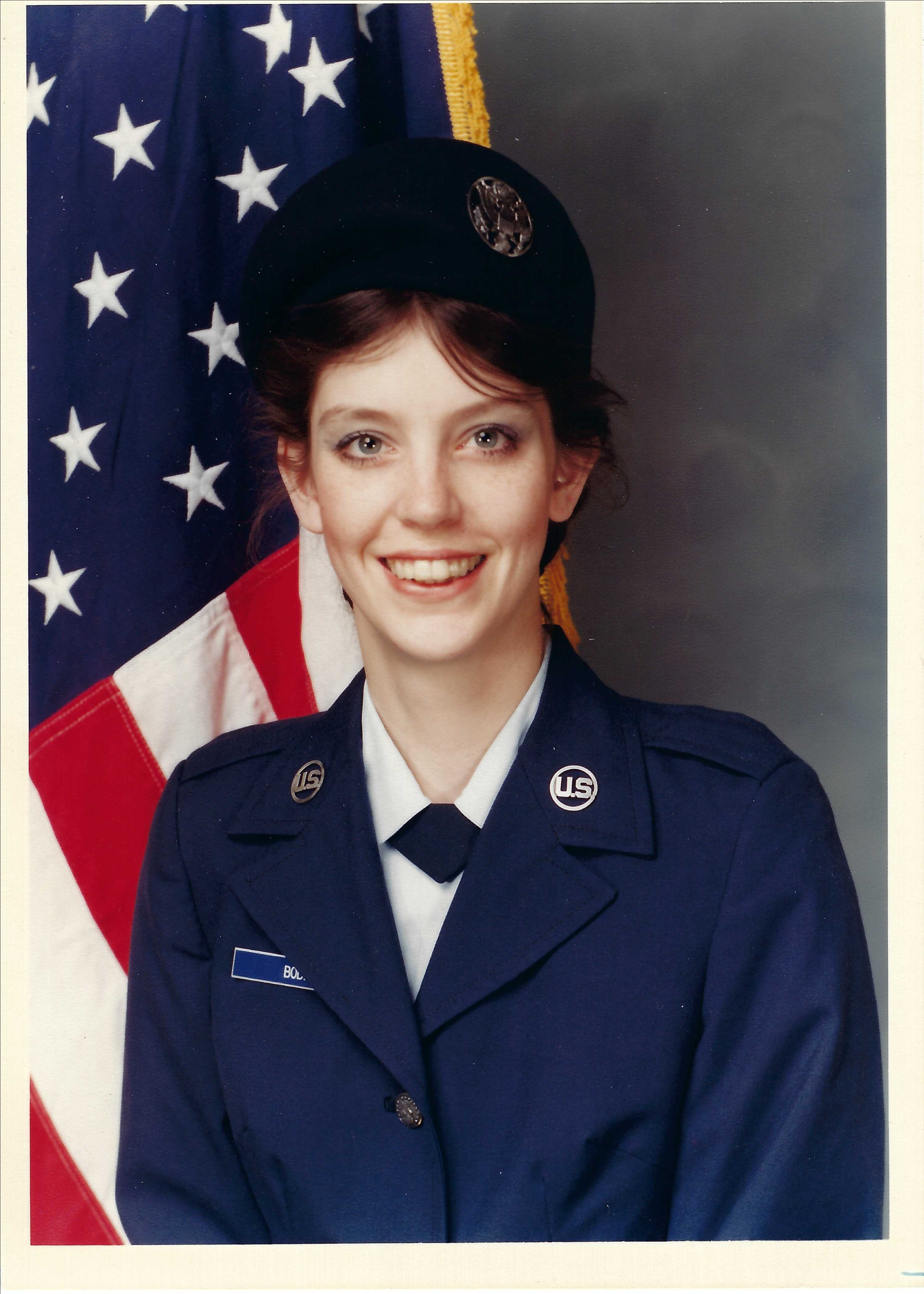
U.S. Air Force • 1982
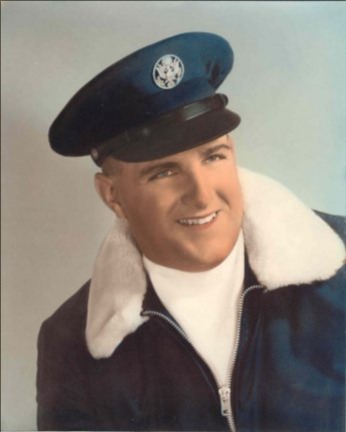
3333 BMTS, Amarillo AFB • U.S. Air Force • 1967
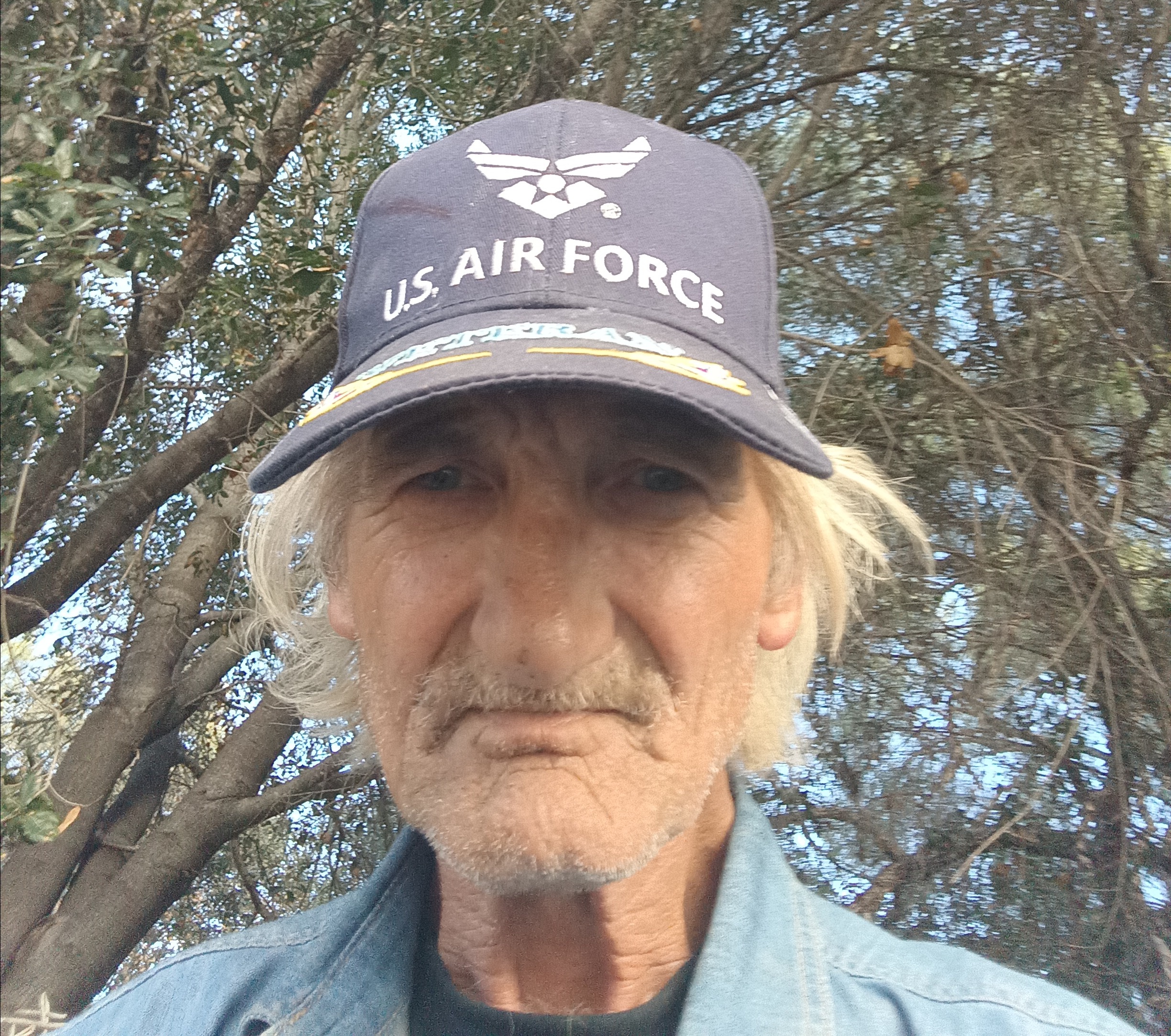
U.S. Air Force