
Opening branch overview
Building the branch home surface
Loading branch highlights, featured unit context, and gallery moments.
Overview
Members
Units
Building the branch home surface
Loading branch highlights, featured unit context, and gallery moments.
Building the branch units surface
Loading unit filters, rankings, and the branch unit grid.

37 members•1 unit
Relive and share the memories of your service-time with your brothers and sisters in arms today. VetFriends.com can help you reconnect.
Did you proudly serve in the 1110th Balloon Activity Unit?
Are you looking for someone who is or was in the 1110th Balloon Activity Unit?
Do you have 1110th Balloon Activity Unit photos you'd like to share?
Then join a community with your brothers and sisters of the 1110th Balloon Activity Unit.
Branch
U.S. Air Force
Members
37
The 1110th Balloon Activity Unit was established during World War II as part of the U.S. Army Air Forces’ efforts to enhance battlefield reconnaissance and air defense. Tasked with operating barrage and observation balloons, the unit played a crucial role in shielding Allied positions from low-flying enemy aircraft and gathering intelligence on enemy movements. Stationed primarily along the European front, the 1110th contributed significantly to the protection of supply depots and troop concentrations during key campaigns. Following the war’s end, advances in radar and aircraft technology led to the unit’s deactivation, marking the close of its specialized mission in military history.
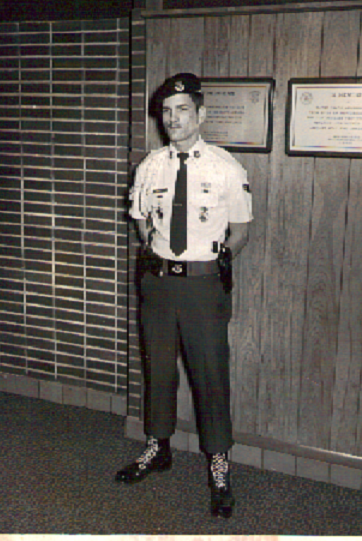
6960th • U.S. Air Force • 1982
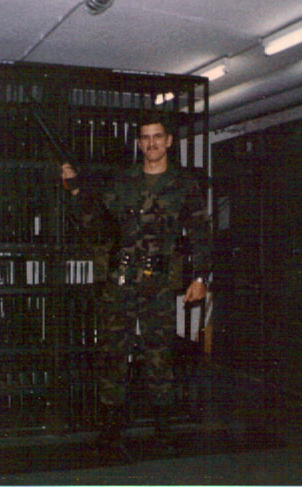
6913th • U.S. Air Force • 1983
6960th • U.S. Air Force • 1981

661st Air Force Band ( AFLC ) • U.S. Air Force • 1972