
Opening branch overview
Building the branch home surface
Loading branch highlights, featured unit context, and gallery moments.
Overview
Members
Units
Building the branch home surface
Loading branch highlights, featured unit context, and gallery moments.
Building the branch units surface
Loading unit filters, rankings, and the branch unit grid.

38 members•1 unit
Relive and share the memories of your service-time with your brothers and sisters in arms today. VetFriends.com can help you reconnect.
Did you proudly serve in the 188 infantry?
Are you looking for someone who is or was in the 188 infantry?
Do you have 188 infantry photos you'd like to share?
Then join a community with your brothers and sisters of the 188 infantry.
Branch
U.S. Army
Members
38
The 188th Infantry Regiment was first constituted during World War II as part of the U.S. Army's 11th Airborne Division. Activated in 1943, the regiment participated in combat operations in the Pacific Theater, notably in the Philippines campaign where it played a key role in liberating Luzon from Japanese occupation. After the war, the 188th Infantry saw postwar service in the occupation of Japan before being inactivated in 1949. The regiment's legacy continues through its lineage with airborne and infantry units in the modern U.S. Army.
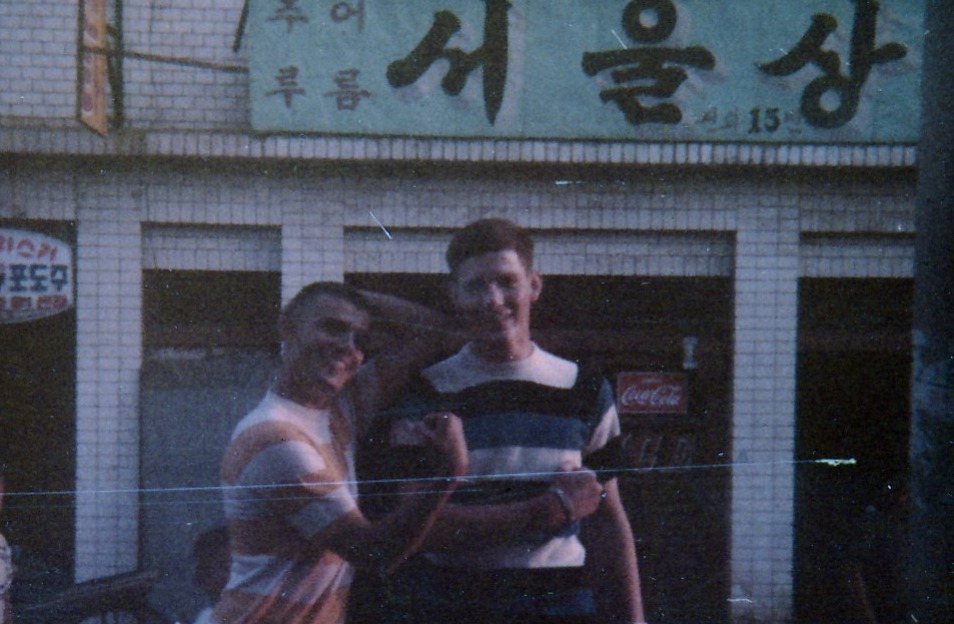
U.S. Army
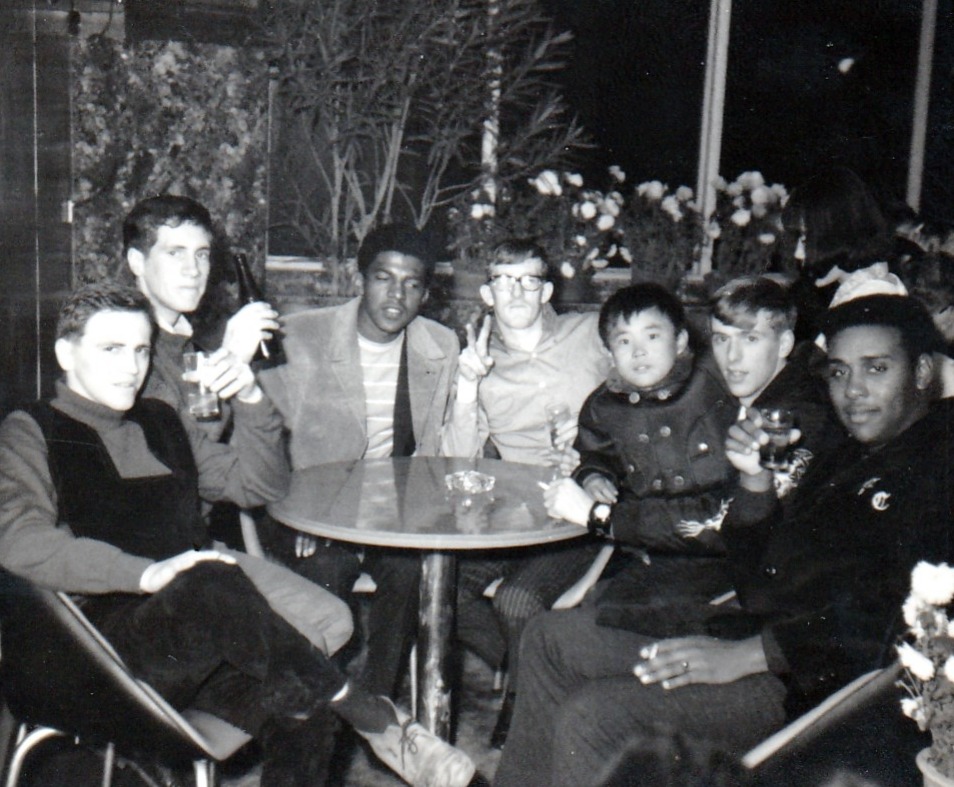
304th Signal • U.S. Army
304th Signal • U.S. Army
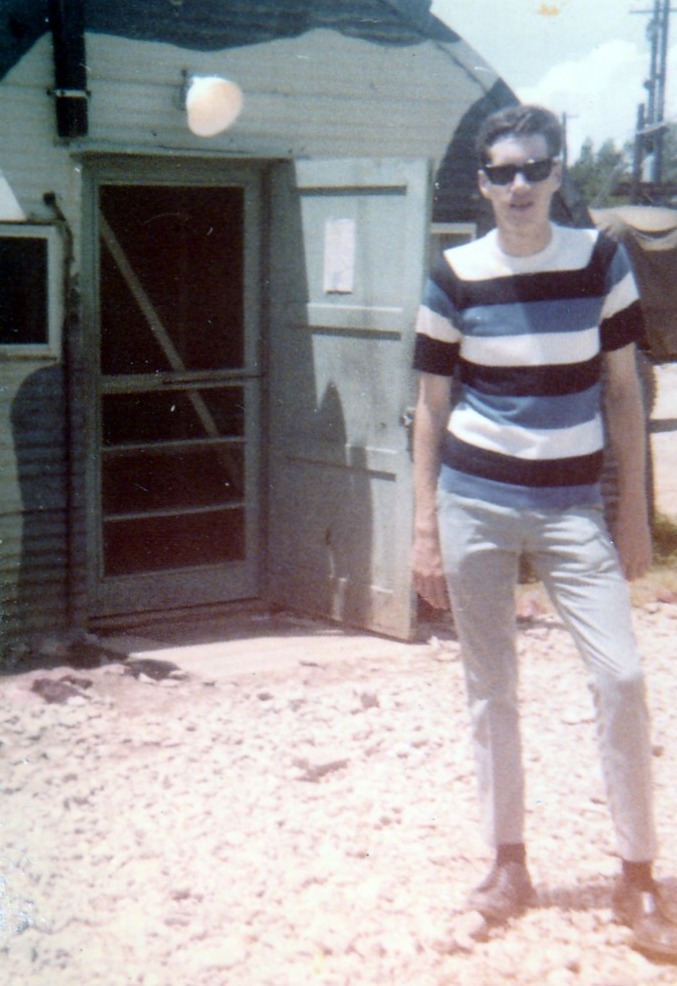
304th Signal • U.S. Army