Over 3,064,780 active members

U.S. Army•3 members
Relive and share the memories of your service-time with your brothers and sisters in arms today. VetFriends.com can help you reconnect.
Did you proudly serve in the 1ST PLATOON AVEL NORTH?
Are you looking for someone who is or was in the 1ST PLATOON AVEL NORTH?
Do you have 1ST PLATOON AVEL NORTH photos you'd like to share?
Then join a community with your brothers and sisters of the 1ST PLATOON AVEL NORTH.
Branch
U.S. Army
Members
3
1st Platoon AVEL North was a specialized maintenance unit of the U.S. Army during the Vietnam War, operating as part of the Aviation Electronics (Avionics) field maintenance support. Activated in the late 1960s, the platoon was stationed at Phu Bai, I Corps, providing critical avionics repair and support for Army aviation assets in northern South Vietnam. The unit ensured rapid turnaround of navigation, communication, and electronic warfare systems for helicopters and fixed-wing aircraft, significantly increasing combat readiness. 1st Platoon AVEL North’s dedicated service contributed to the effectiveness of aviation operations in the challenging operational environment of northern Vietnam.
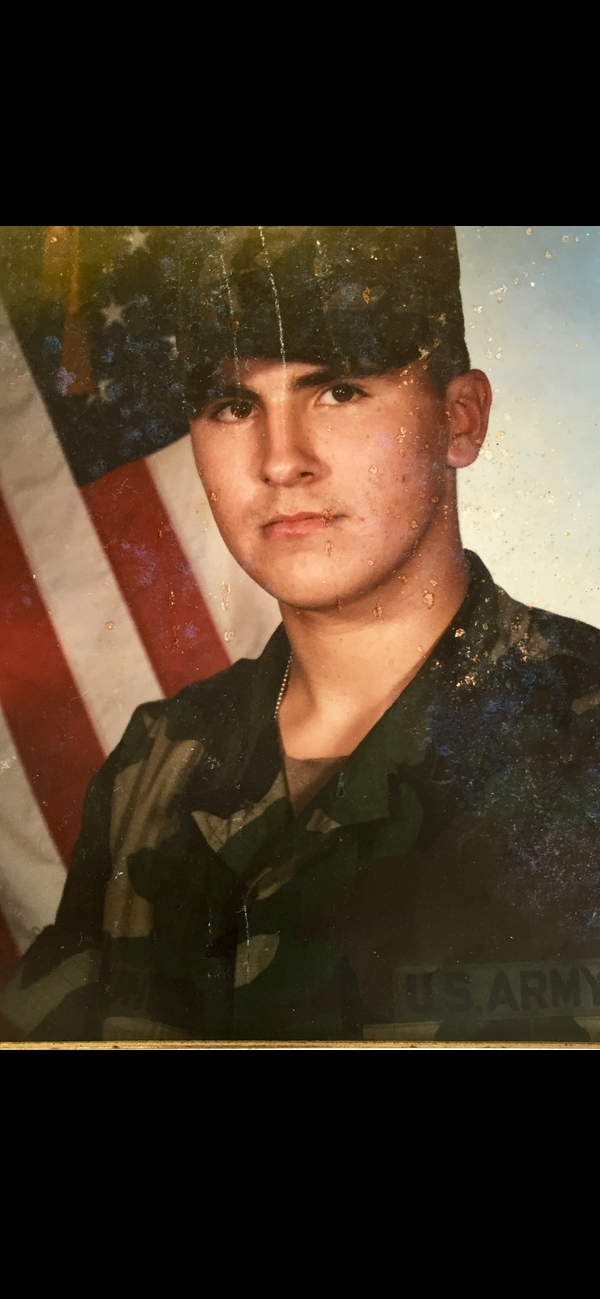
Company C 1st Bn. 38th Inf. Regt. • U.S. Army • 1989
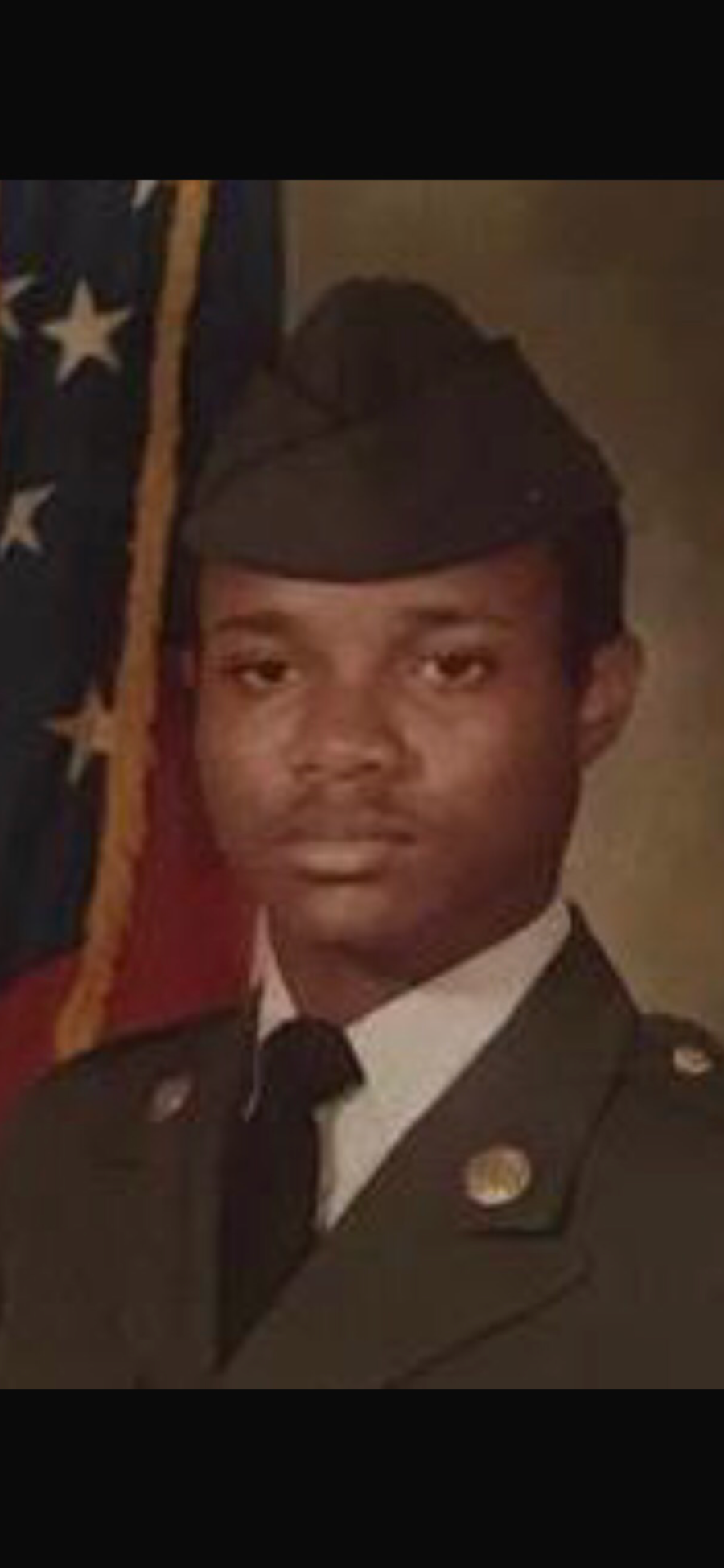
101st airborne division • U.S. Army

U.S. Army
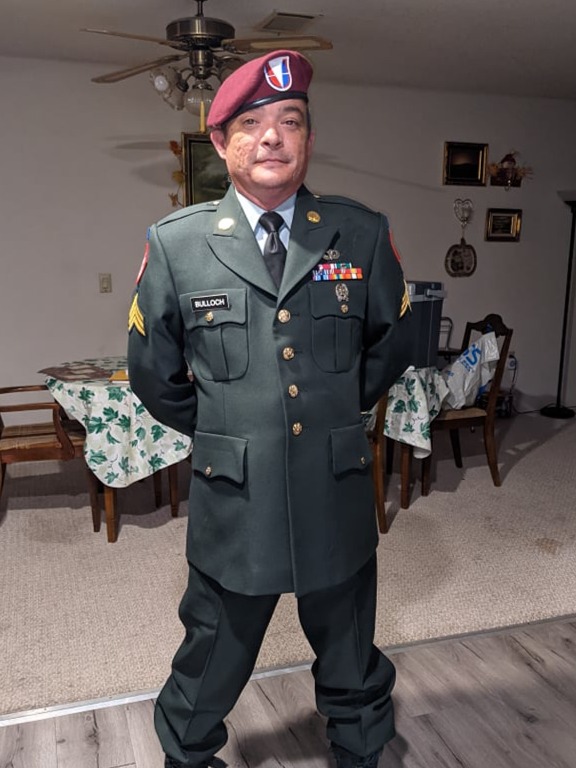
82nd Airborne • U.S. Army • 2018
