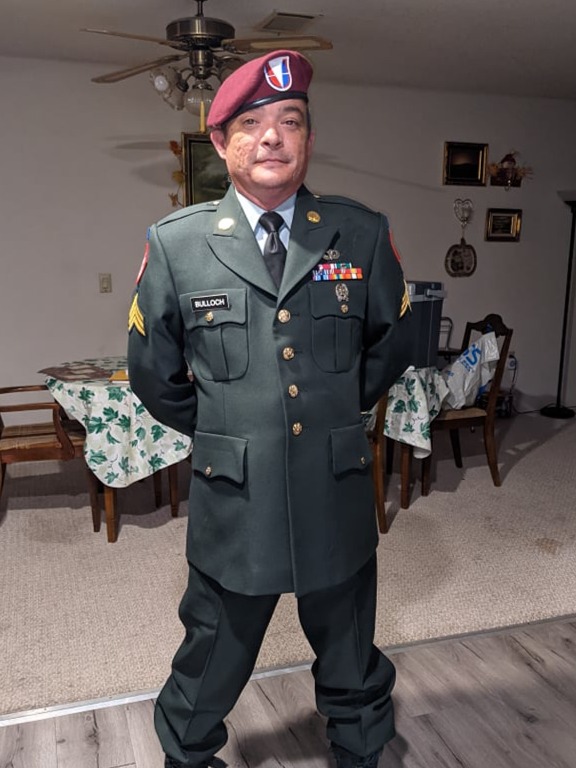
About this Unit
The 57th Ordnance Brigade is a United States Army unit with a distinguished history dating back to its origins in World War II. Initially activated in 1942, the brigade has primarily been responsible for the management, maintenance, and security of U.S. Army munitions, including nuclear and conventional ordnance, particularly in the European theater. During the Cold War, the brigade played a vital role in NATO defense by overseeing the storage and readiness of nuclear weapons in Germany. Reactivated in 2012, the 57th Ordnance Brigade now serves as the proponent for Explosive Ordnance Disposal (EOD) training at Fort Gregg-Adams, Virginia, ensuring readiness and expertise for future military operations.
Historical Facts
•
Cold War Guardians: The 57th Ordnance Brigade played a vital role during the Cold War, being responsible for the storage, maintenance, and security of U.S. nuclear and conventional munitions in Europe, particularly in Germany.
•
Origins in WWII: The brigade traces its roots back to World War II, originally constituted as the 57th Ordnance Ammunition Battalion in 1943 and serving in the European Theater.
•
Nuclear Custodianship: Throughout the Cold War, the unit was tasked with the custody of nuclear weapons shared with NATO allies, supporting "dual-key" arrangements with German, Dutch, Belgian, and other NATO forces.
•
Pershing Missile Mission: The 57th was closely associated with the deployment and maintenance of Pershing missiles—U.S. nuclear-capable ballistic missiles stationed in West Germany as a deterrent against the Soviet Union.
•
Vivid Symbols: The brigade's shoulder sleeve insignia features a flaming bomb, symbolizing its ordnance mission and legacy.
•
Reactivation and Inactivation: The 57th Ordnance Brigade has been inactivated and reactivated multiple times, reflecting changes in U.S. military needs, most recently reactivated in 2012 at Fort Lee (now Fort Gregg-Adams), Virginia.
•
INF Treaty Impact: The 1987 Intermediate-Range Nuclear Forces (INF) Treaty between the U.S. and USSR led to the withdrawal and destruction of the Pershing missiles—a mission the 57th played a key role in executing.
•
Training Mission: Today, the brigade is responsible for training Ordnance professionals, overseeing the U.S. Army Ordnance School’s Advanced Individual Training (AIT) and other courses.
•
International Partnerships: The brigade worked closely with NATO allies throughout its Cold War service, fostering interoperability and trust, particularly with German and Benelux military forces.
•
Legacy of Security: The unit's rigorous security protocols and professionalism became legendary, with many veterans recalling the high-stakes environment of guarding nuclear weapons sites, often under constant watch by both allies and adversaries.