
Opening branch overview
Building the branch home surface
Loading branch highlights, featured unit context, and gallery moments.
Overview
Members
Units
Building the branch home surface
Loading branch highlights, featured unit context, and gallery moments.
Building the branch units surface
Loading unit filters, rankings, and the branch unit grid.

37 members•1 unit
Relive and share the memories of your service-time with your brothers and sisters in arms today. VetFriends.com can help you reconnect.
Did you proudly serve in the Taegu AB Korea?
Are you looking for someone who is or was in the Taegu AB Korea?
Do you have Taegu AB Korea photos you'd like to share?
Then join a community with your brothers and sisters of the Taegu AB Korea.
Branch
U.S. Air Force
Members
37
Taegu Air Base, located near the city of Daegu in South Korea, has played a significant role in U.S. and Republic of Korea (ROK) military operations since the Korean War. Originally established as K-2 Air Base during the conflict, it served as a critical hub for United Nations air operations, supporting both combat and logistical missions. After the war, the air base continued to be utilized by U.S. and ROK air forces, hosting various fighter, reconnaissance, and transport units. Today, Taegu Air Base remains an important strategic installation, supporting joint defense efforts and serving as a key location for rapid deployment and regional security on the Korean Peninsula.
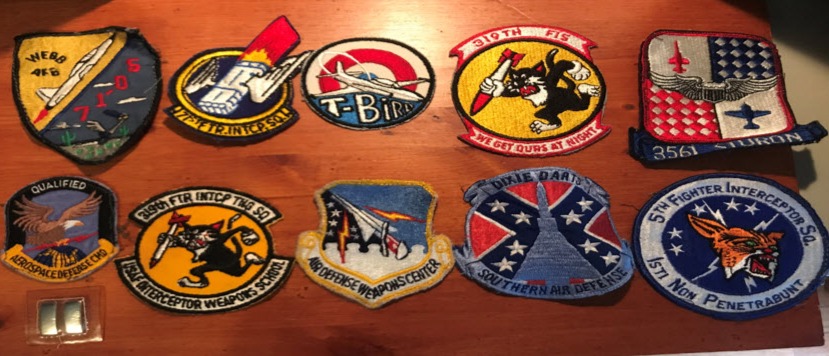
U.S. Air Force
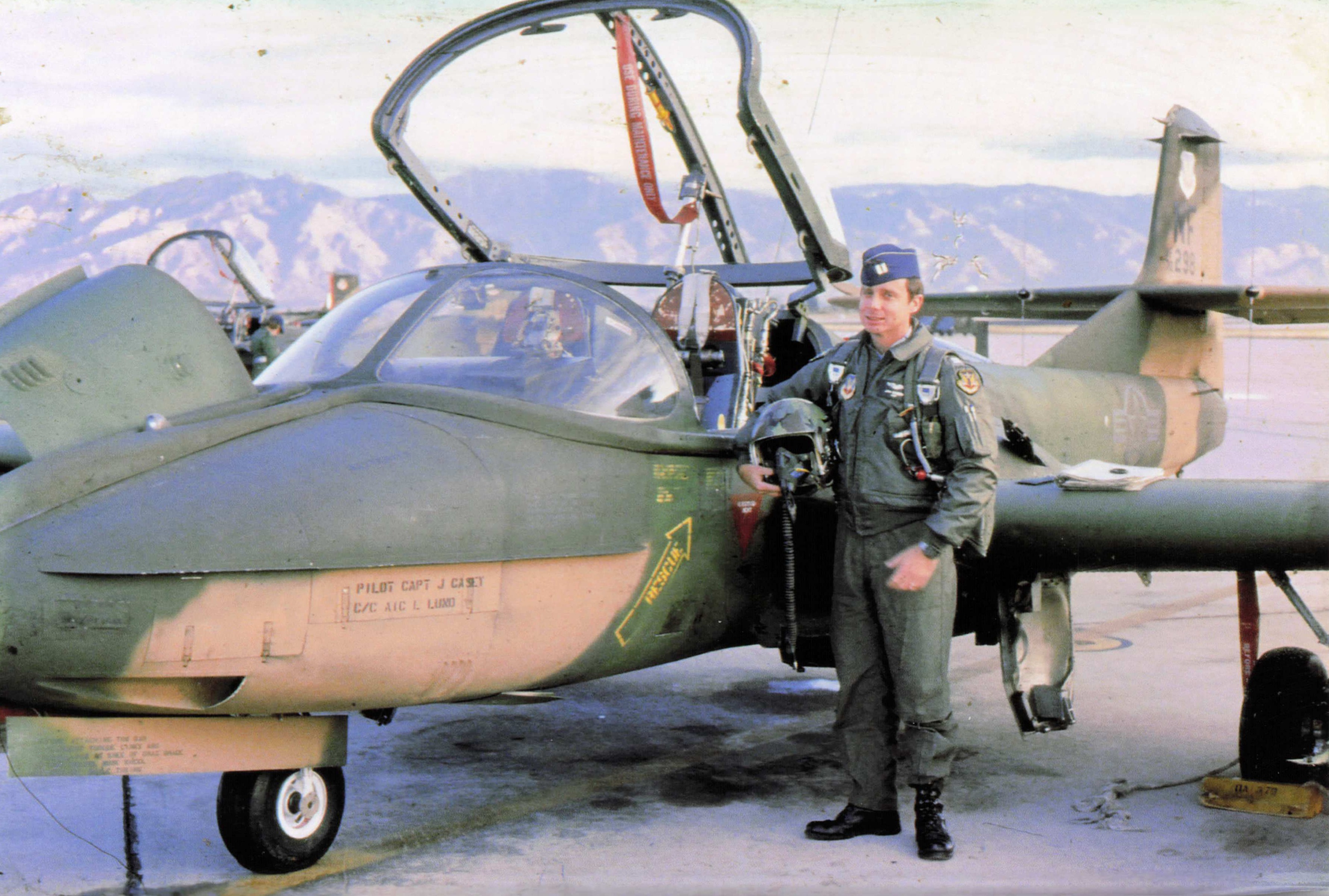
U.S. Air Force • 1983
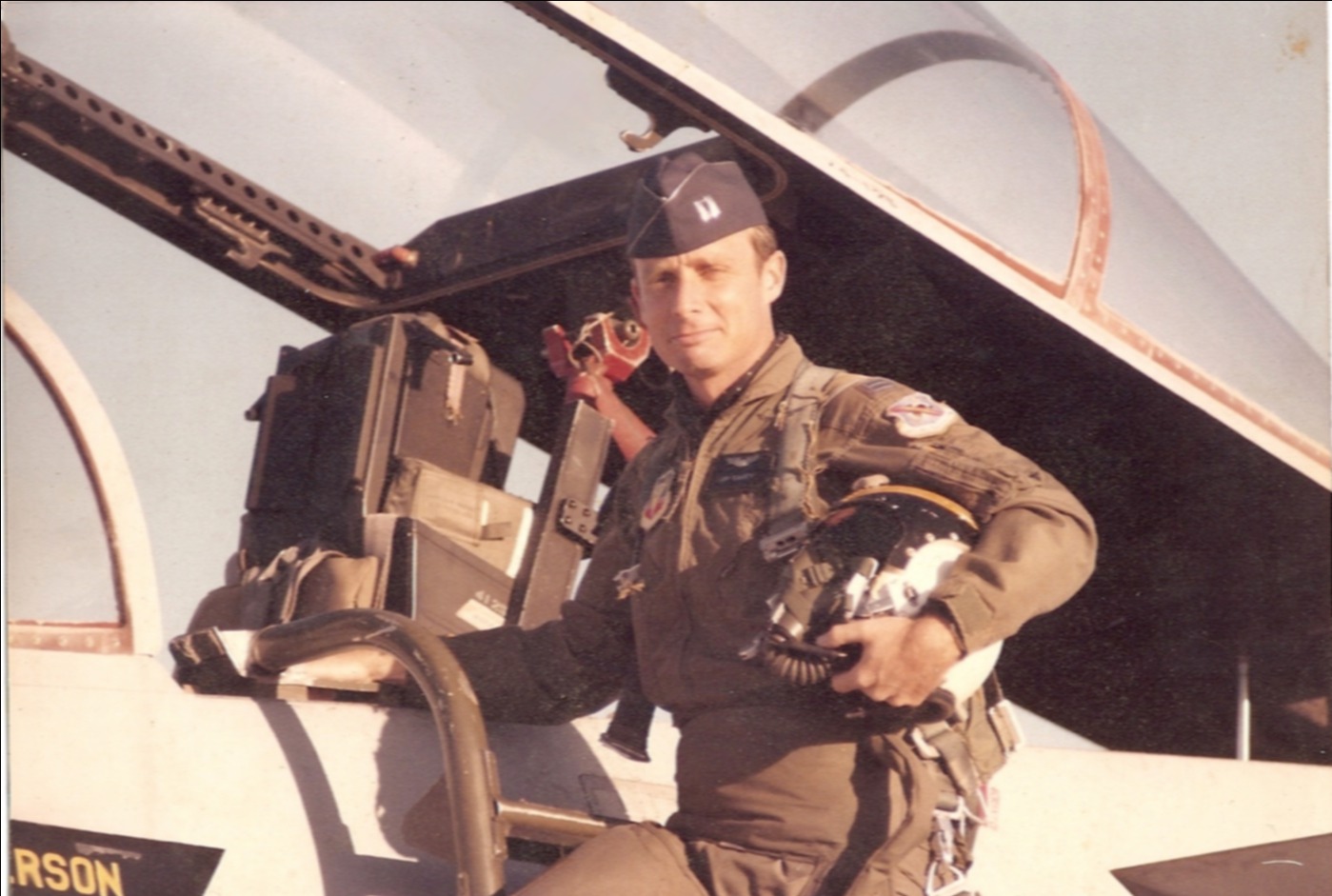
@7th TFS • U.S. Air Force • 1985
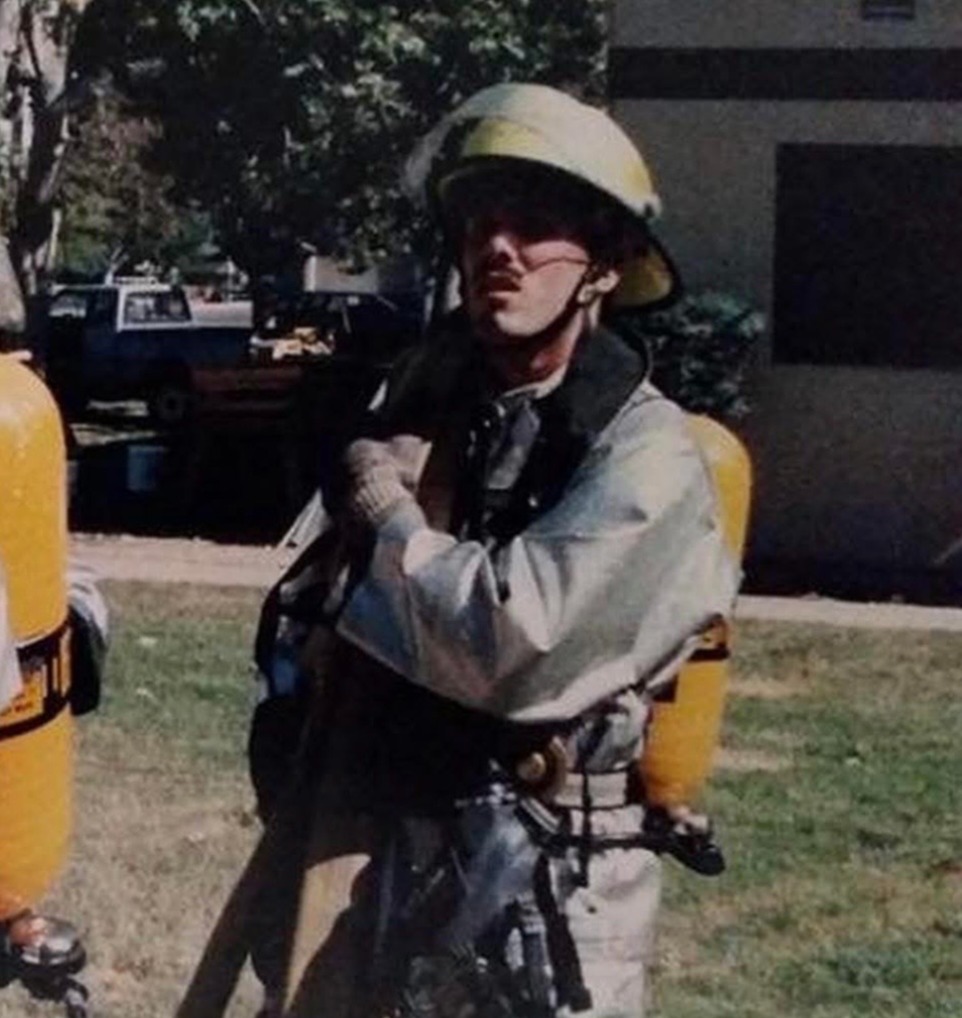
93 CES Crash Fire Rescue • U.S. Air Force • 1991