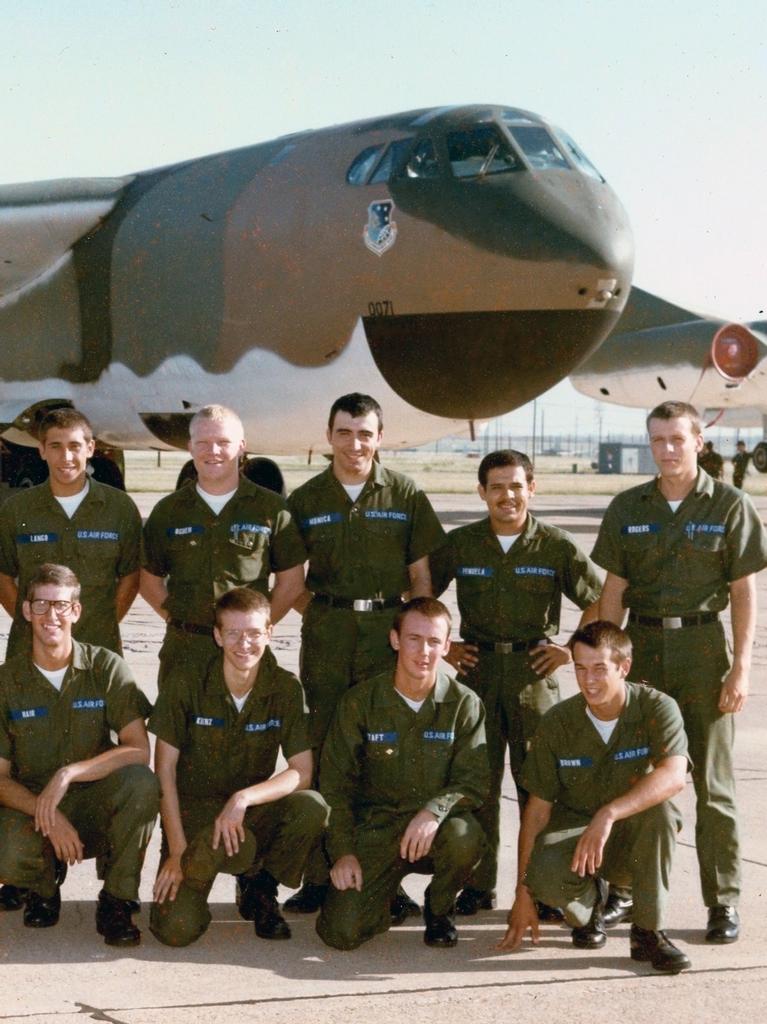
About this Unit
The 485th Engineering Installation Group (485 EIG) was a United States Air Force unit responsible for installing, maintaining, and upgrading communications and information systems infrastructure. Activated in the 1950s, the group played a vital role throughout the Cold War, supporting both stateside and overseas operations with specialized engineering and technical expertise. The 485 EIG was notable for its rapid deployment capability, enabling it to establish critical command and control networks in support of global Air Force missions. The unit was eventually inactivated as part of a broader reorganization of Air Force communications and engineering assets.
Historical Facts
•
Origins: The 485th Engineering Installation Group (485 EIG) traces its roots back to the post-World War II era, with lineage connected to earlier Air Force communications and engineering units.
•
Mission: The 485 EIG specialized in engineering, installing, maintaining, and removing communication and electronic systems for the United States Air Force, both in peacetime and during contingencies.
•
Headquarters: The group was most notably headquartered at Griffiss Air Force Base, New York, before the base’s closure in the 1990s.
•
Cold War Role: During the Cold War, the 485 EIG played a critical role in establishing and maintaining secure communications across North America and in overseas deployments, supporting strategic deterrence and command and control operations.
•
Rapid Deployment: The unit was recognized for its rapid deployment capability, often being among the first to deploy to new or temporary sites to establish critical communications infrastructure.
•
Desert Storm Deployment: Members of the 485 EIG deployed to the Middle East during Operation Desert Storm in 1990-1991, installing vital command, control, and communications systems for coalition forces.
•
Technological Pioneers: The group was at the forefront of implementing new technologies, including satellite communications and secure digital networks, throughout the latter half of the 20th century.
•
Training Excellence: The 485 EIG was well-known for its rigorous training programs, preparing airmen for both technical and field challenges, and fostering a reputation for excellence in engineering installation.
•
Humanitarian Missions: Beyond combat operations, the unit also supported humanitarian and disaster-relief missions, restoring communications after natural disasters and aiding in recovery efforts.
•
Legacy and Honors: The 485 EIG earned multiple Air Force Outstanding Unit Awards and commendations, and its legacy continues through successor units that uphold its standards in modern Air Force communications and engineering fields.