
Opening branch overview
Building the branch home surface
Loading branch highlights, featured unit context, and gallery moments.
Overview
Members
Units
Building the branch home surface
Loading branch highlights, featured unit context, and gallery moments.
Building the branch units surface
Loading unit filters, rankings, and the branch unit grid.

37 members•1 unit
Relive and share the memories of your service-time with your brothers and sisters in arms today. VetFriends.com can help you reconnect.
Did you proudly serve in the Fort Detrick?
Are you looking for someone who is or was in the Fort Detrick?
Do you have Fort Detrick photos you'd like to share?
Then join a community with your brothers and sisters of the Fort Detrick.
Branch
U.S. Army
Members
37
Fort Detrick, located in Frederick, Maryland, was established in 1931 as an airfield for the Maryland National Guard. During World War II, it became the center of the United States' biological warfare program, hosting the Army Biological Warfare Laboratories. Throughout the Cold War, Fort Detrick expanded its mission to include research on biodefense, medical countermeasures, and infectious diseases. Today, it serves as a key installation for the U.S. Army Medical Research and Development Command, focusing on biomedical research and global health security.
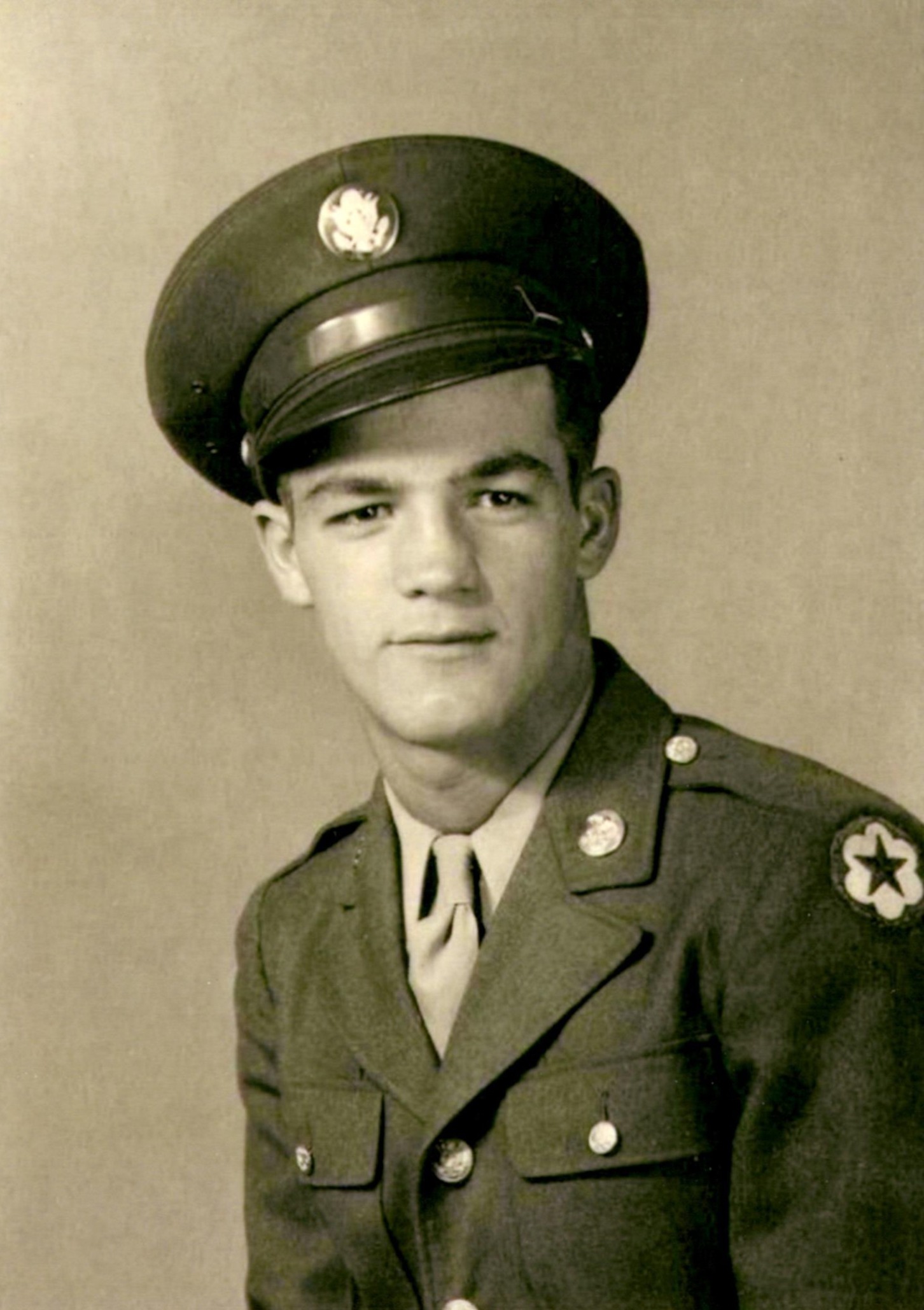
CBI • U.S. Army
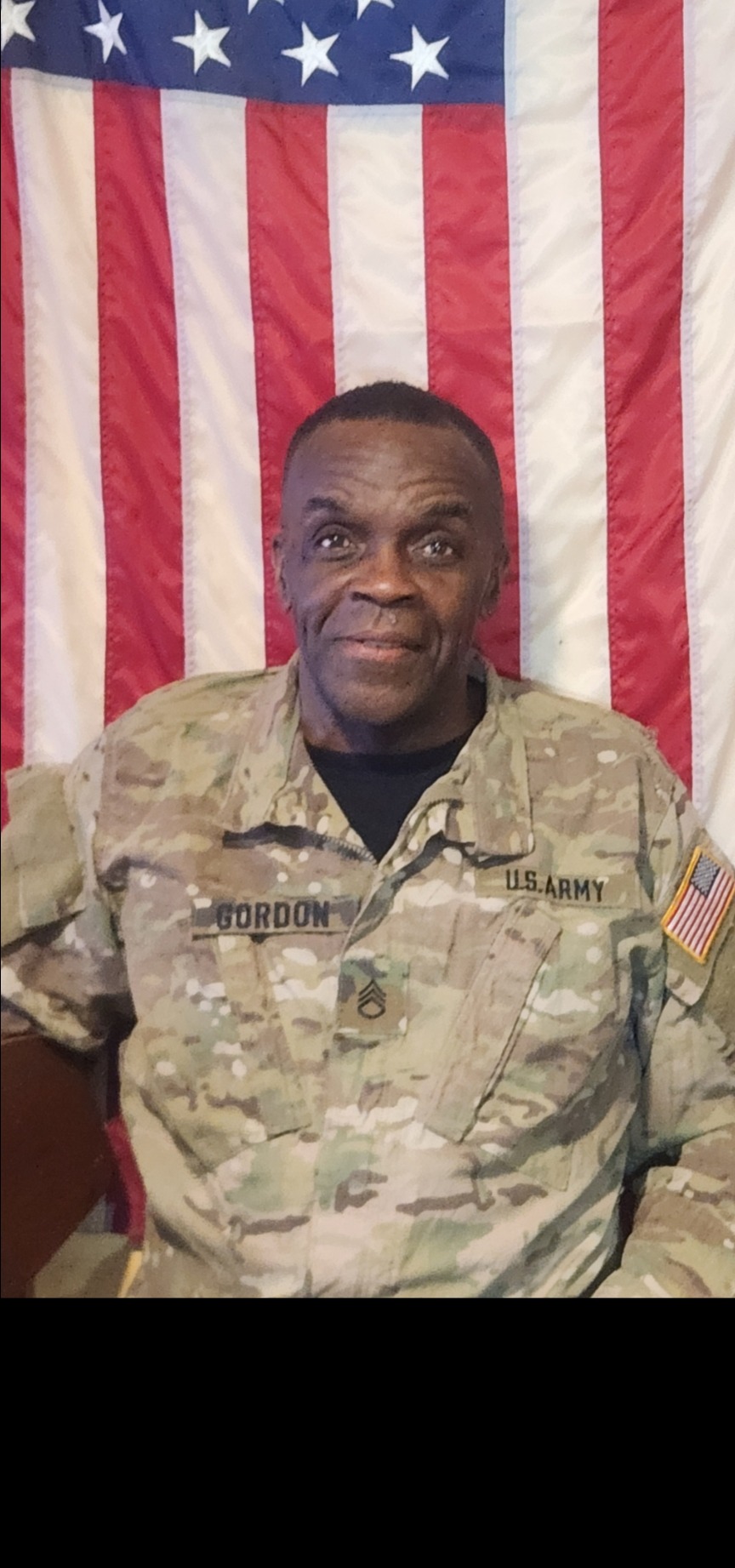
3 Infantry Signal • U.S. Army • 1980
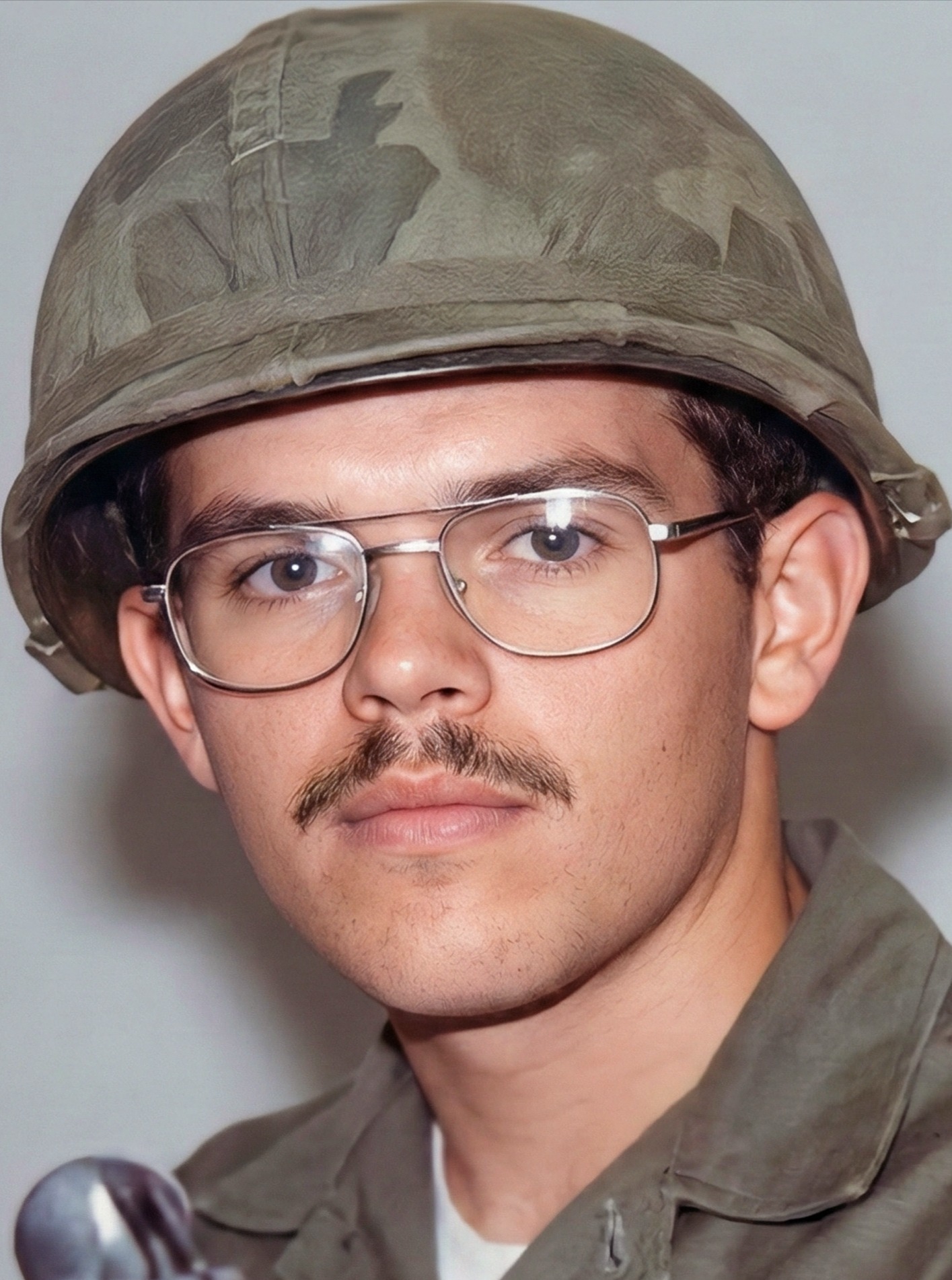
13th Engineer Battalion • U.S. Army • 1975
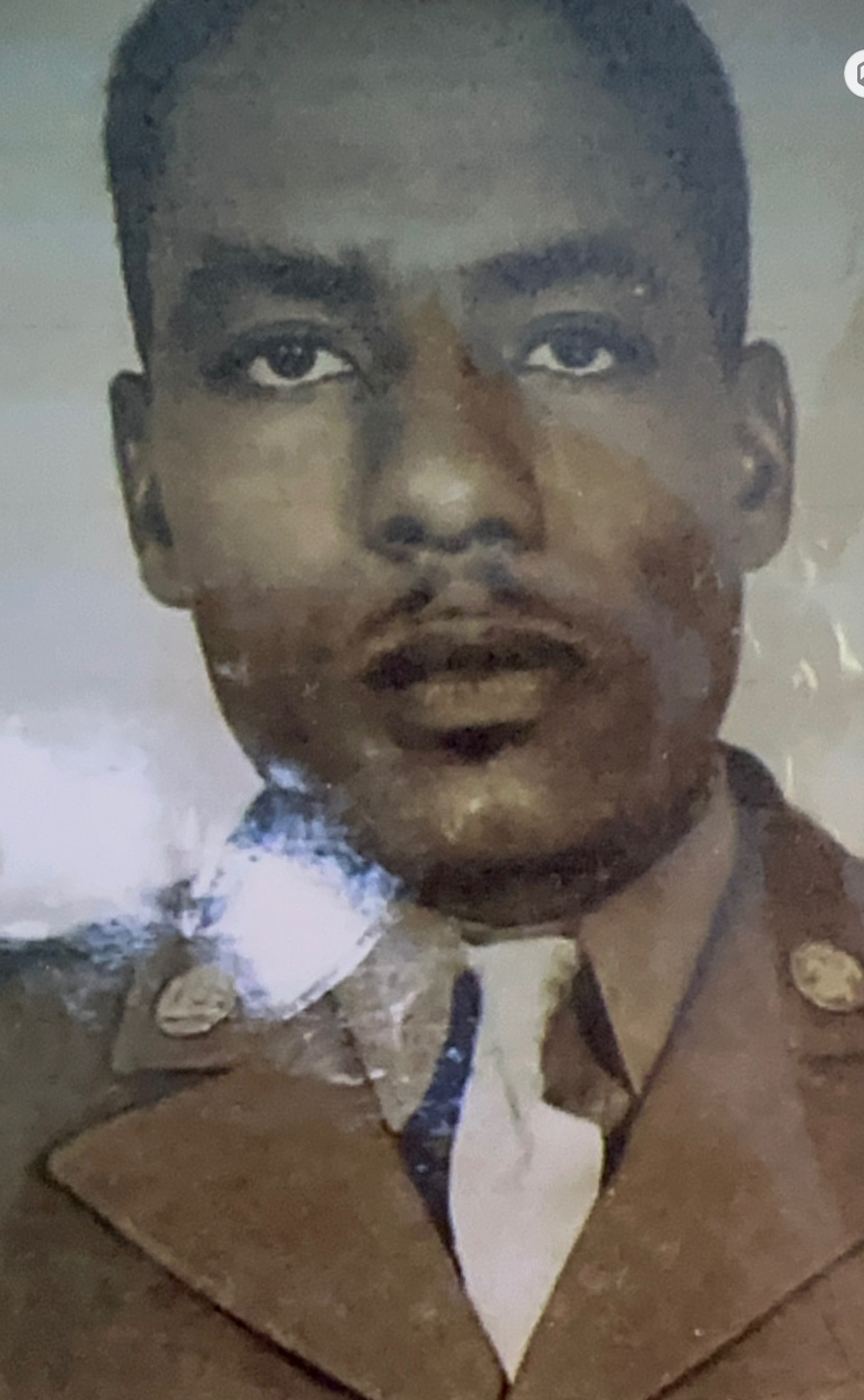
U.S. Army