
Opening branch overview
Building the branch home surface
Loading branch highlights, featured unit context, and gallery moments.
Overview
Members
Units
Building the branch home surface
Loading branch highlights, featured unit context, and gallery moments.
Building the branch units surface
Loading unit filters, rankings, and the branch unit grid.

37 members•1 unit
Relive and share the memories of your service-time with your brothers and sisters in arms today. VetFriends.com can help you reconnect.
Did you proudly serve in the USAF Hospital Wright Patterson, AFLC?
Are you looking for someone who is or was in the USAF Hospital Wright Patterson, AFLC?
Do you have USAF Hospital Wright Patterson, AFLC photos you'd like to share?
Then join a community with your brothers and sisters of the USAF Hospital Wright Patterson, AFLC.
Branch
U.S. Air Force
Members
37
USAF Hospital Wright-Patterson, located at Wright-Patterson Air Force Base in Ohio, has served as a key medical facility for the U.S. Air Force since its establishment. Originally formed to support the growing needs of the base and its personnel, the hospital has played a crucial role in providing comprehensive medical care, including during major conflicts such as World War II, the Korean War, and beyond. As part of the Air Force Logistics Command (AFLC), the hospital supported both military operations and advancements in aerospace medicine. Over the decades, USAF Hospital Wright-Patterson has also contributed to medical research and training, maintaining its reputation as a center for excellence in military healthcare.
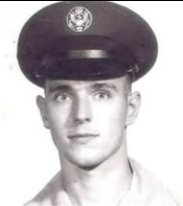
661st Air Force Band ( AFLC ) • U.S. Air Force • 1972

2153 • U.S. Air Force • 1981
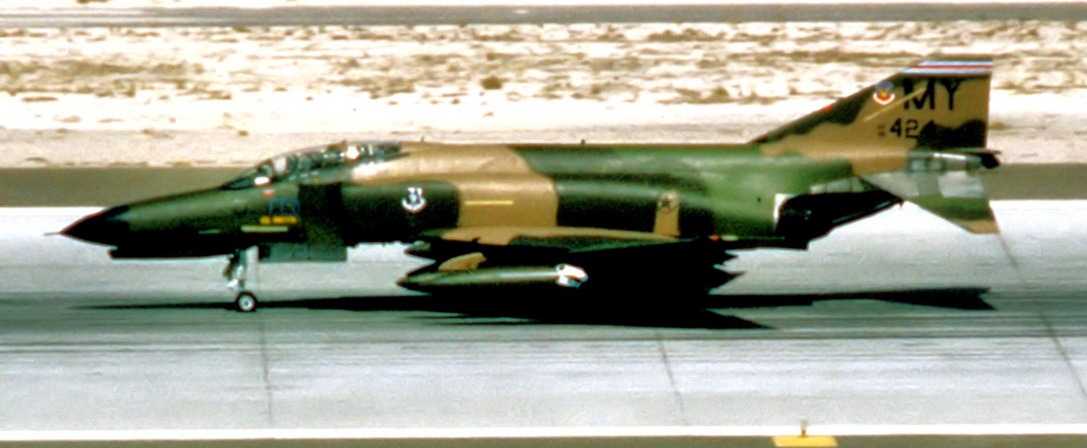
68th AGS • U.S. Air Force • 1976
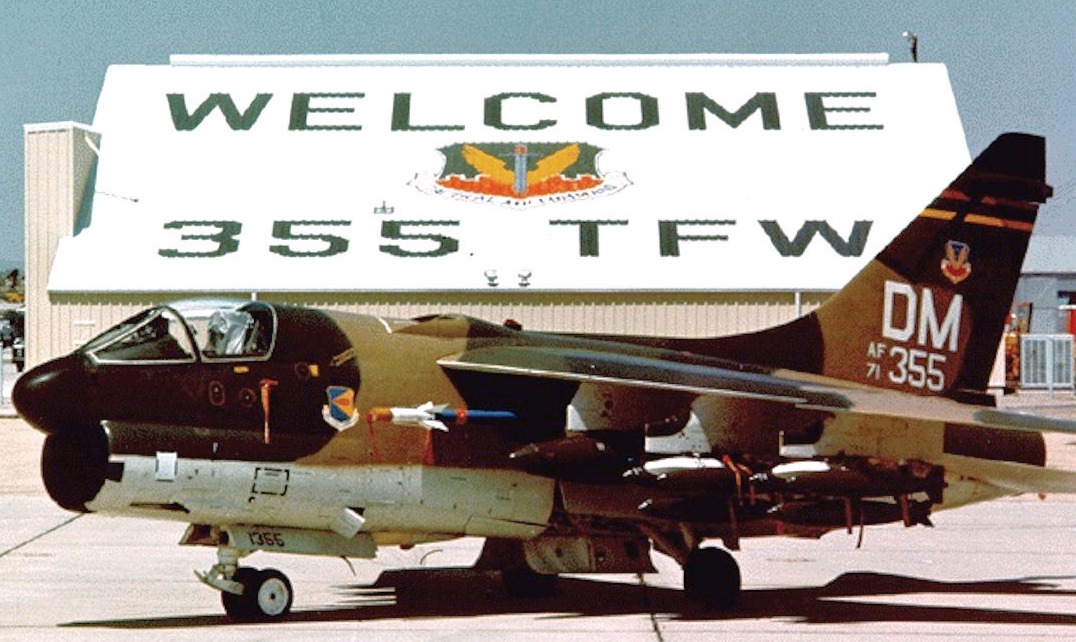
355th AMS • U.S. Air Force • 1974