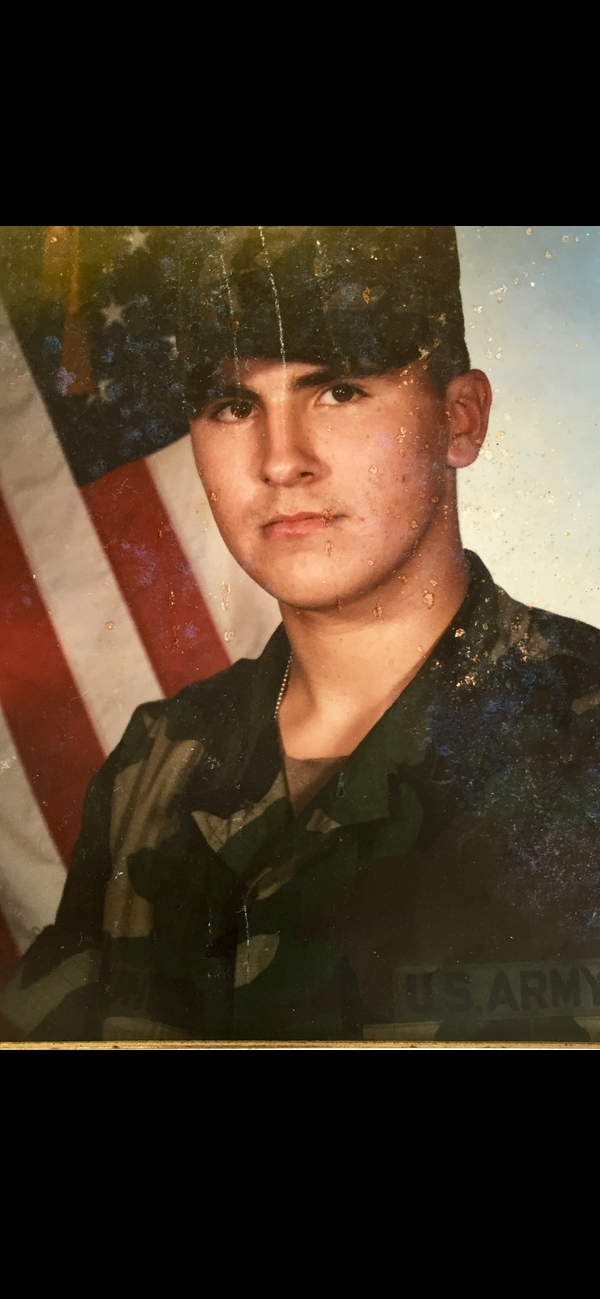
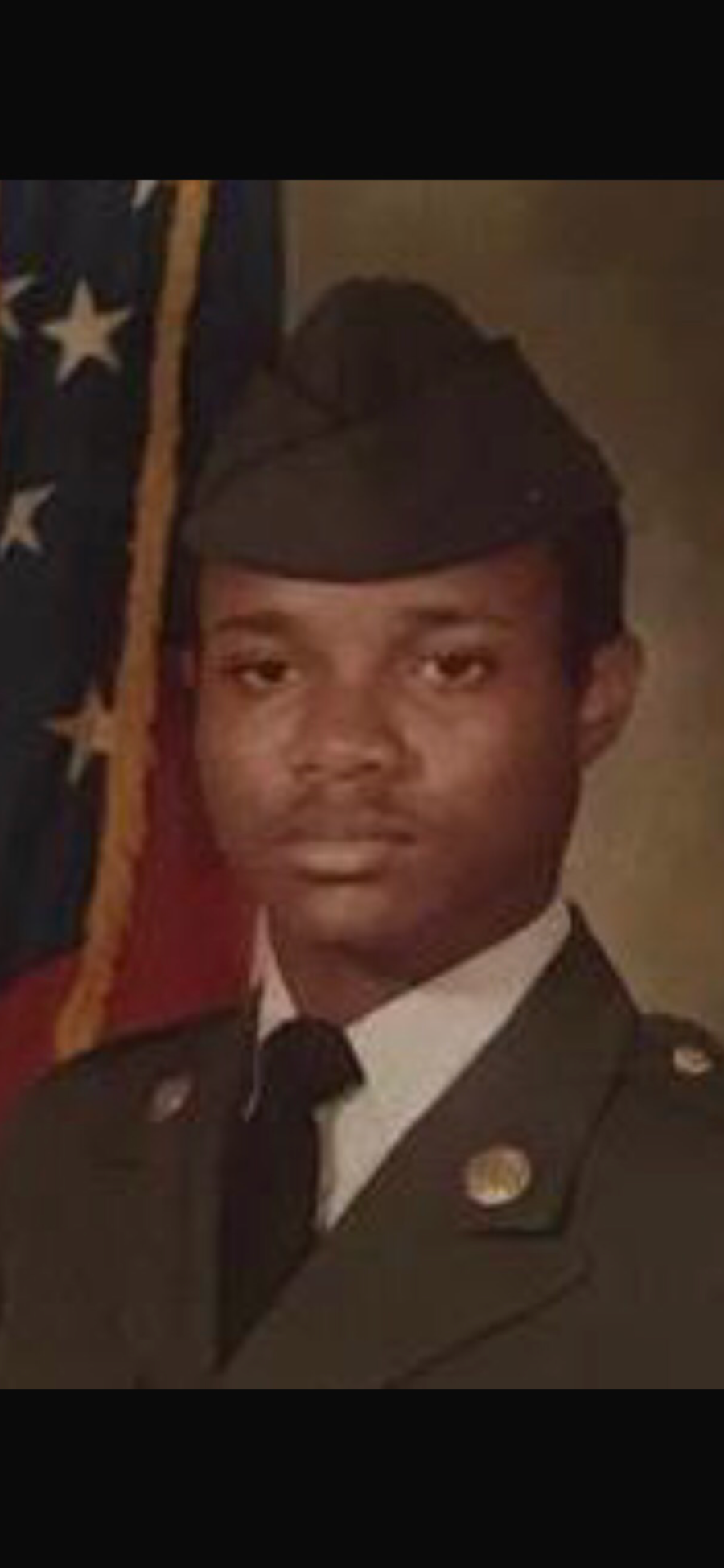
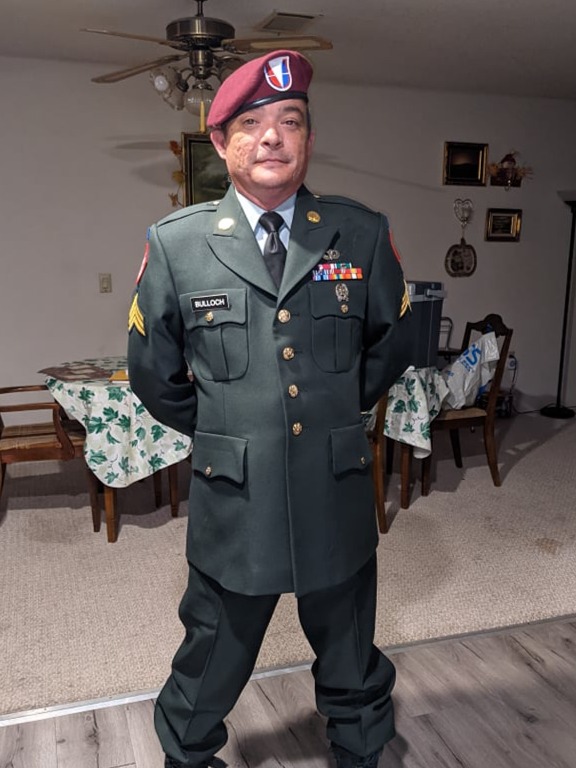
About this Unit
The 220th Aviation Company, famously known as the "Catkillers," was activated in 1965 to provide aerial reconnaissance and support during the Vietnam War. Operating primarily the O-1 Bird Dog aircraft, the unit was tasked with directing artillery, spotting enemy positions, and performing visual reconnaissance missions over challenging terrain. The Catkillers became renowned for their bravery and effectiveness, often flying low and slow over hostile territory to gather critical intelligence for ground forces. The 220th served with distinction until its deactivation in 1971, leaving a lasting legacy of valor and service among Army aviation units.
Historical Facts
• Nickname: The 220th Aviation Company was famously nicknamed the "Catkillers," derived from their radio call sign and the mission to "kill" enemy activity with reconnaissance and artillery coordination.
• Vietnam War Service: The unit was active in the Vietnam War from 1965 to 1971, providing aerial reconnaissance and support missions for U.S. and allied ground troops.
• Aircraft Used: The 220th primarily flew the single-engine Cessna O-1 Bird Dog, a light observation aircraft known for its maneuverability and ability to operate from short, rough airstrips.
• Hazardous Missions: Catkiller pilots often flew low and slow over enemy territory, marking targets with smoke rockets and directing artillery and airstrikes, making them frequent targets for enemy ground fire.
• Distinguished Service: Several members of the 220th Aviation Company were awarded distinguished medals for bravery, including the Distinguished Flying Cross and Silver Star, for their actions under fire.
• Support for Marines: The company provided critical support to the U.S. Marines around the Demilitarized Zone (DMZ), especially during key battles such as the Siege of Khe Sanh and the Battle of Hue.
• Visual Reconnaissance: The unit was tasked with visual reconnaissance, artillery adjustment, and sometimes psychological operations, such as dropping leaflets over enemy positions.
• International Cooperation: The 220th worked closely with South Vietnamese, South Korean, and Australian forces, as well as American units, sharing reconnaissance intelligence and coordinating strikes.
• Legacy and Reunions: After the war, veterans of the 220th Catkillers have maintained a strong camaraderie, holding regular reunions and maintaining a dedicated website to preserve their history.
• Unit Motto: The Catkillers’ motto, "Eyes of the Artillery," reflects their crucial role in providing aerial intelligence and coordinating devastating firepower on enemy positions.