About this Unit
The 961st Airborne Air Control Squadron (AWACS) is a United States Air Force unit established in 1955, originally as the 961st Airborne Early Warning and Control Squadron. Stationed at Kadena Air Base, Japan, the squadron operates E-3 Sentry AWACS aircraft, providing airborne surveillance, command, control, and communications for U.S. and allied forces in the Pacific region. The 961st AWACS has played a critical role in regional security, participating in numerous joint and multinational exercises, and supporting combat operations such as Operation Desert Storm and Operation Enduring Freedom. Its enduring mission contributes significantly to the air defense and situational awareness capabilities of the U.S. Indo-Pacific Command.
Historical Facts
•
Formation and Activation: The 961st Airborne Air Control Squadron (AWACS) was officially activated on 1 July 1986 at Kadena Air Base, Okinawa, Japan, but traces its lineage back to World War II with predecessor units.
•
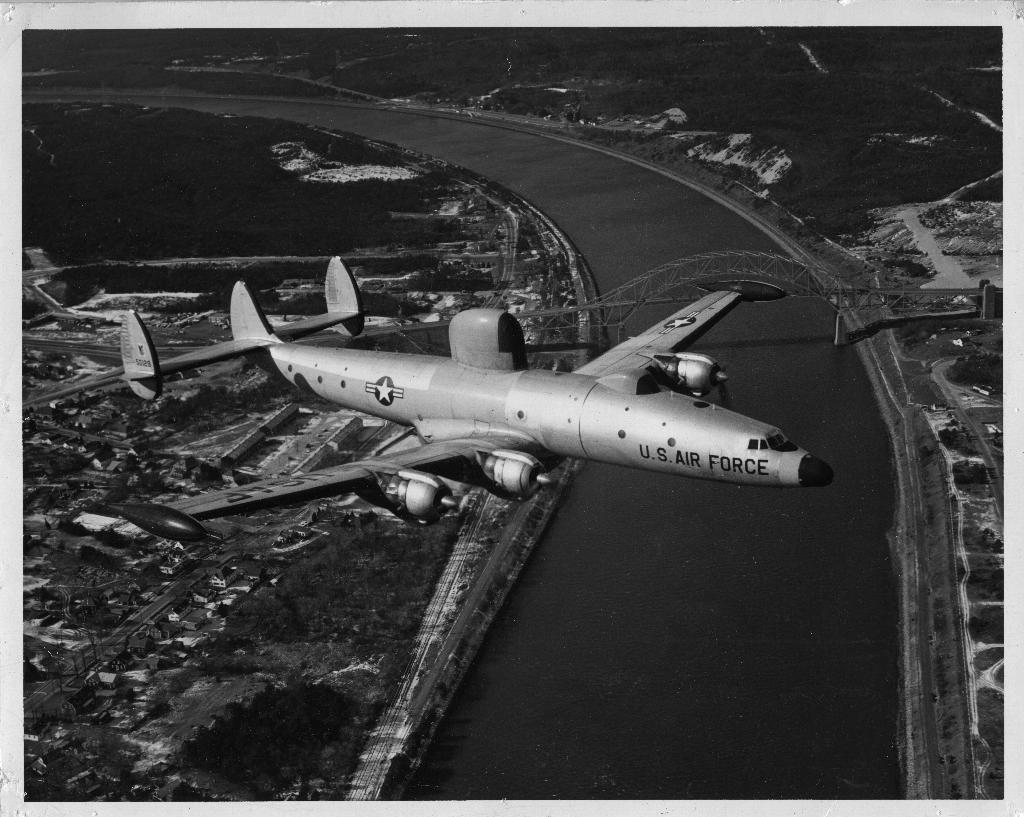
Aircraft Operated: The squadron operates the E-3 Sentry (AWACS), an airborne warning and control system aircraft known for its distinctive rotating radar dome above the fuselage.
•
Nickname: The 961st is nicknamed the “Vigilant Eagles,” reflecting their constant watch over the skies in the Pacific region.
•
Pacific Guardian: The 961st AWACS is the only USAF AWACS unit permanently assigned to the Pacific region, providing critical airborne command and control for U.S. and allied forces.
•
24/7 Operations: The squadron maintains around-the-clock readiness, frequently participating in real-world missions and exercises such as Cope North and Red Flag-Alaska.
•
Desert Storm Participation: Members of the 961st were deployed to Southwest Asia in support of Operation Desert Storm in 1991, helping coordinate coalition air operations.
•
Disaster Relief: The squadron has played a role in humanitarian efforts, providing airborne command and control during disaster relief operations in the Pacific after typhoons and earthquakes.
•
International Partnerships: The 961st regularly works with Japanese, South Korean, Australian, and other allied air forces, enhancing interoperability and regional security.
•
Distinctive Patch: The unit’s patch features a flying eagle clutching a radar, symbolizing their airborne surveillance mission and sharp vigilance.
•
Modernization Efforts: The squadron’s E-3 aircraft have undergone and continue to receive upgrades, including advanced radar and communications systems, to keep pace with evolving threats and technology.