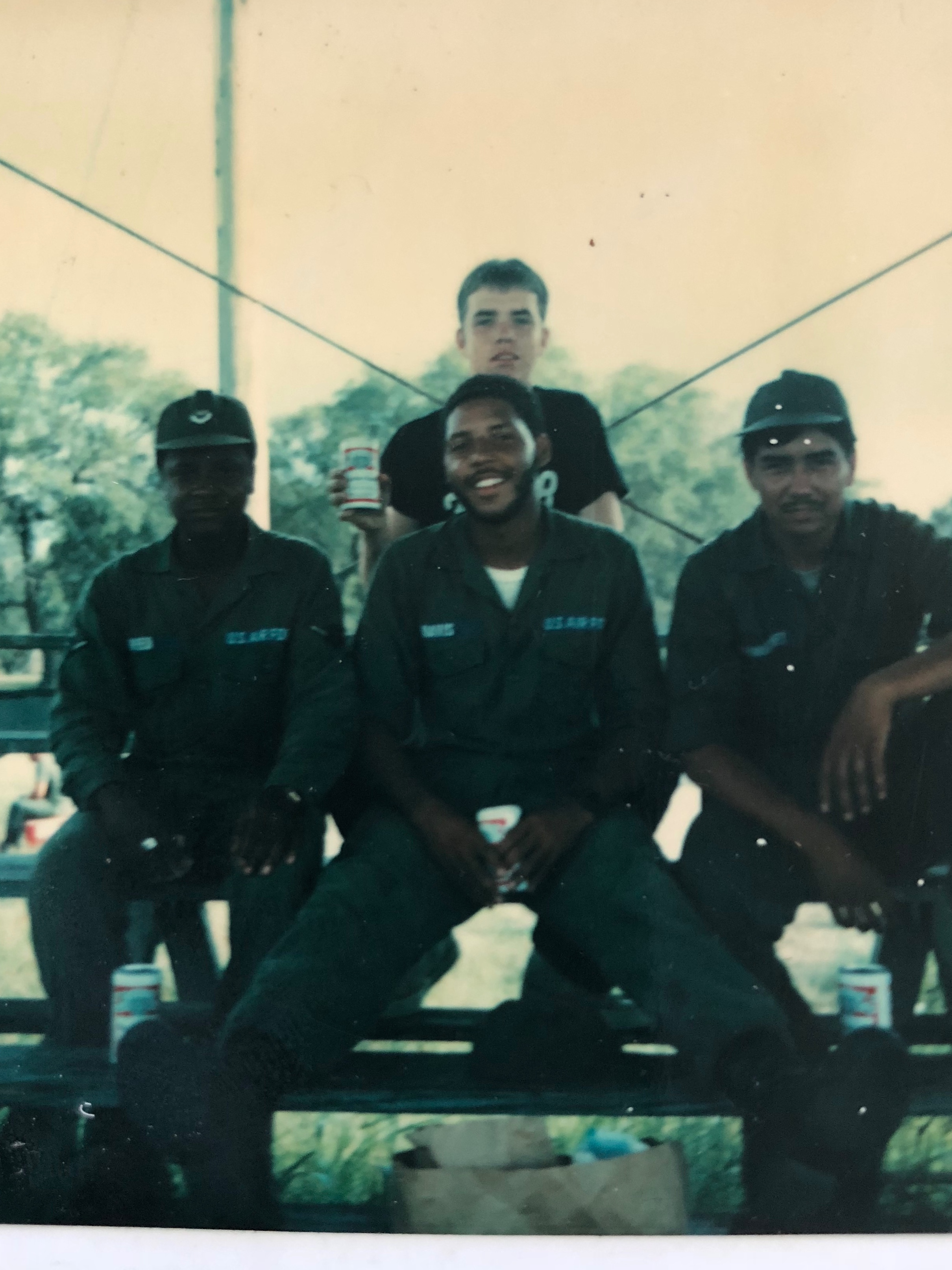
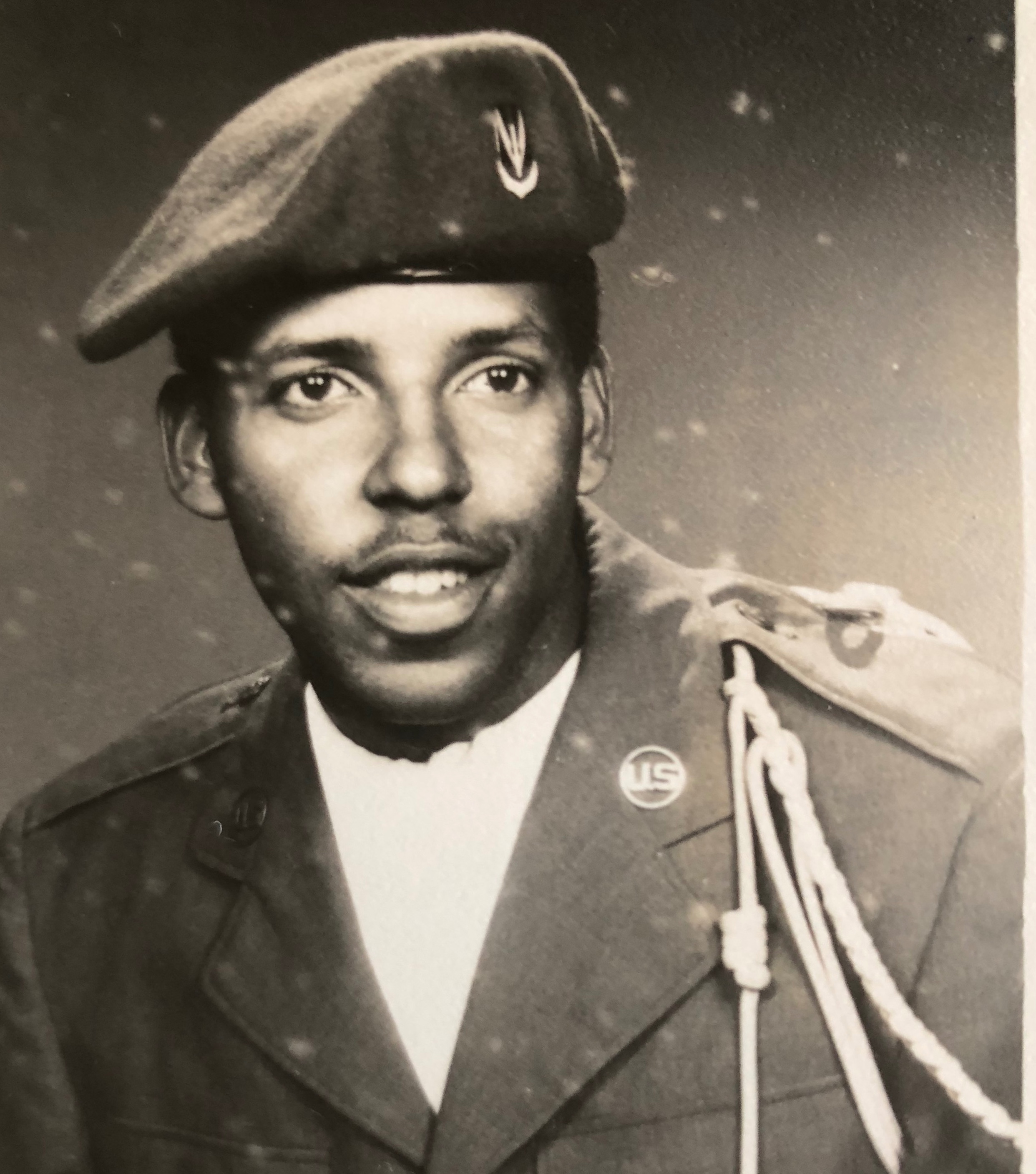
About this Unit
The **921st Aircraft Control and Warning Squadron (AC&W)** was a United States Air Force unit activated during the early Cold War era. Established in 1952, the squadron was responsible for operating radar sites to detect and track potential airborne threats, primarily along the northern approaches to North America. Stationed in Canada as part of the Pinetree Line, the 921st AC&W played a key role in North American air defense by providing early warning and ground-controlled interception capabilities. The unit was inactivated in 1961 as radar technology and continental defense strategies evolved, leading to changing requirements for such units.
Historical Facts
•
Origins and Activation: The 921st Aircraft Control and Warning Squadron (AC&W) was activated in 1952 as part of the United States Air Force’s efforts to bolster air defense during the early years of the Cold War.
•
Primary Mission: The squadron’s main role was to provide radar surveillance, detection, and control of aircraft, forming an integral part of the North American Air Defense Command (NORAD).
•
Strategic Location: The 921st AC&W Squadron was stationed at Saint Anthony Air Station in Newfoundland, Canada—a critical position for monitoring potential Soviet bomber approaches over the North Atlantic.
•
Part of the “Pinetree Line”: This unit was a key component of the Pinetree Line, a chain of radar stations stretching across southern Canada, designed to give early warning of incoming air attacks.
•
Technological Evolution: The squadron operated various radar systems over its lifespan, including the AN/FPS-3 and AN/FPS-20, reflecting rapid advances in radar technology during the 1950s and 1960s.
•
International Cooperation: The unit’s presence in Canada highlighted close U.S.-Canadian military cooperation, with both nations sharing responsibility for continental air defense.
•
Cold War Tensions: Personnel at the 921st often trained for potential Soviet incursions and participated in numerous NORAD exercises, simulating intercept missions against enemy bombers.
•
Community Impact: The squadron’s presence brought American service members and their families to the remote community of St. Anthony, impacting the local economy and culture.
•
Deactivation: As technology advanced and intercontinental ballistic missiles became the primary threat, the need for such radar stations declined, leading to the deactivation of the 921st AC&W Squadron in 1968.
•
Historical Legacy: The site of the former St. Anthony Air Station remains a point of local historical interest, with former personnel and the community commemorating its role in North American defense during the Cold War.