Over 3,064,780 active members

U.S. Air Force•9 members
Relive and share the memories of your service-time with your brothers and sisters in arms today. VetFriends.com can help you reconnect.
Did you proudly serve in the 753rd Radar Squadron?
Are you looking for someone who is or was in the 753rd Radar Squadron?
Do you have 753rd Radar Squadron photos you'd like to share?
Then join a community with your brothers and sisters of the 753rd Radar Squadron.
Branch
U.S. Air Force
Members
9
The **753rd Radar Squadron** was a unit of the United States Air Force, activated in 1950 as part of the Air Defense Command’s efforts during the early Cold War. Stationed at Sault Sainte Marie Air Force Station in Michigan, its primary mission was to operate radar systems for the detection, tracking, and identification of potential airborne threats approaching North America. Throughout its service, the squadron was a key component of the nation’s air defense network, contributing to the Ground-Control Intercept (GCI) system that directed interceptor aircraft toward unidentified targets. The 753rd Radar Squadron was inactivated in 1979 as advances in technology and changes in defense strategy led to the reorganization of U.S. airspace surveillance assets.
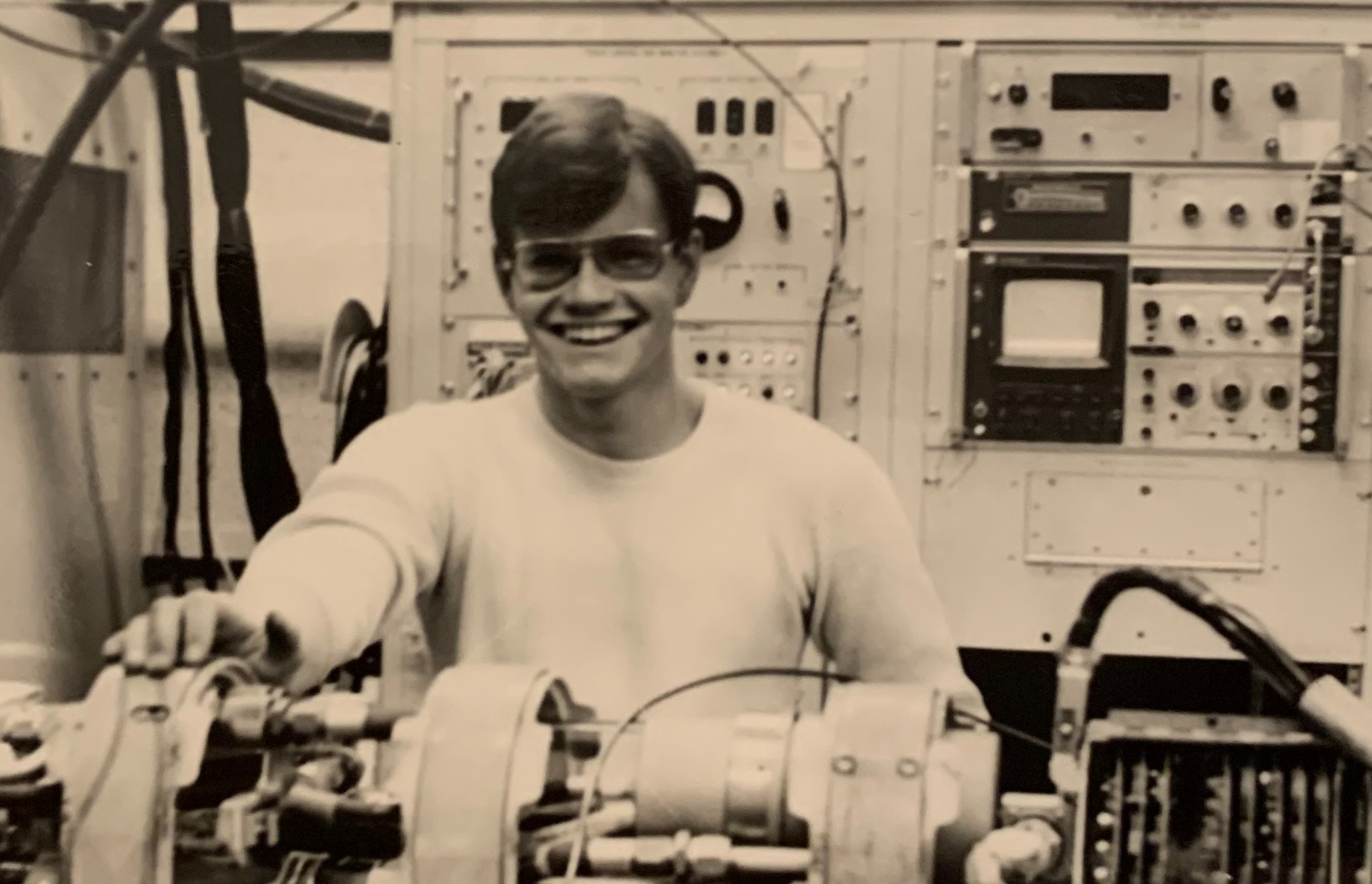
51 Component Repair Squadron • U.S. Air Force • 1979

U.S. Air Force • 2017

U.S. Air Force • 2000
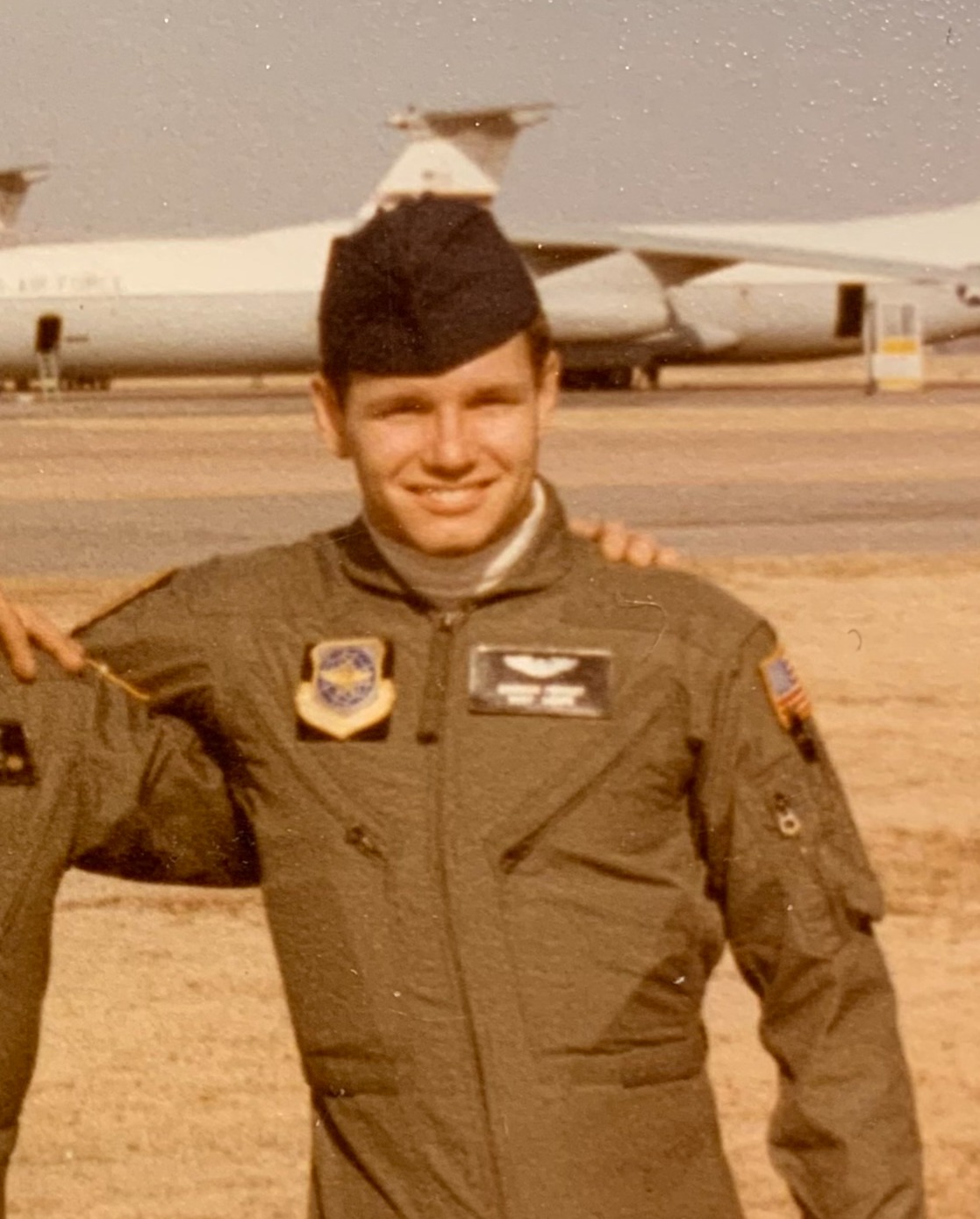
708 Military Airlift Squadron • U.S. Air Force • 1982
