Over 3,064,780 active members
U.S. Air Force banner

4th CAG, III MAF

U.S. Air Force5 members

Relive and share the memories of your service-time with your brothers and sisters in arms today. VetFriends.com can help you reconnect.

Did you proudly serve in the 4th CAG, III MAF?

Are you looking for someone who is or was in the 4th CAG, III MAF?

Do you have 4th CAG, III MAF photos you'd like to share?

Then join a community with your brothers and sisters of the 4th CAG, III MAF.

Branch

U.S. Air Force

Members

5

About 4th CAG, III MAF

The 4th Civil Affairs Group (4th CAG) served as part of the III Marine Amphibious Force (III MAF) during the Vietnam War. Activated in 1967, the unit’s primary mission was to facilitate civil-military operations, including humanitarian assistance, infrastructure development, and fostering relations between U.S. forces and the Vietnamese civilian population. Operating primarily in I Corps, 4th CAG worked closely with local leaders and agencies to stabilize communities affected by the conflict. Their efforts contributed to the broader pacification and nation-building strategies of the U.S. military in Vietnam.

RW
Robert Waldheim

U.S. Marine Corps

4th CAG, III MAFView Profile
DW
Darrell Woolard

U.S. Marine Corps

4th CAG, III MAFView Profile

Photos

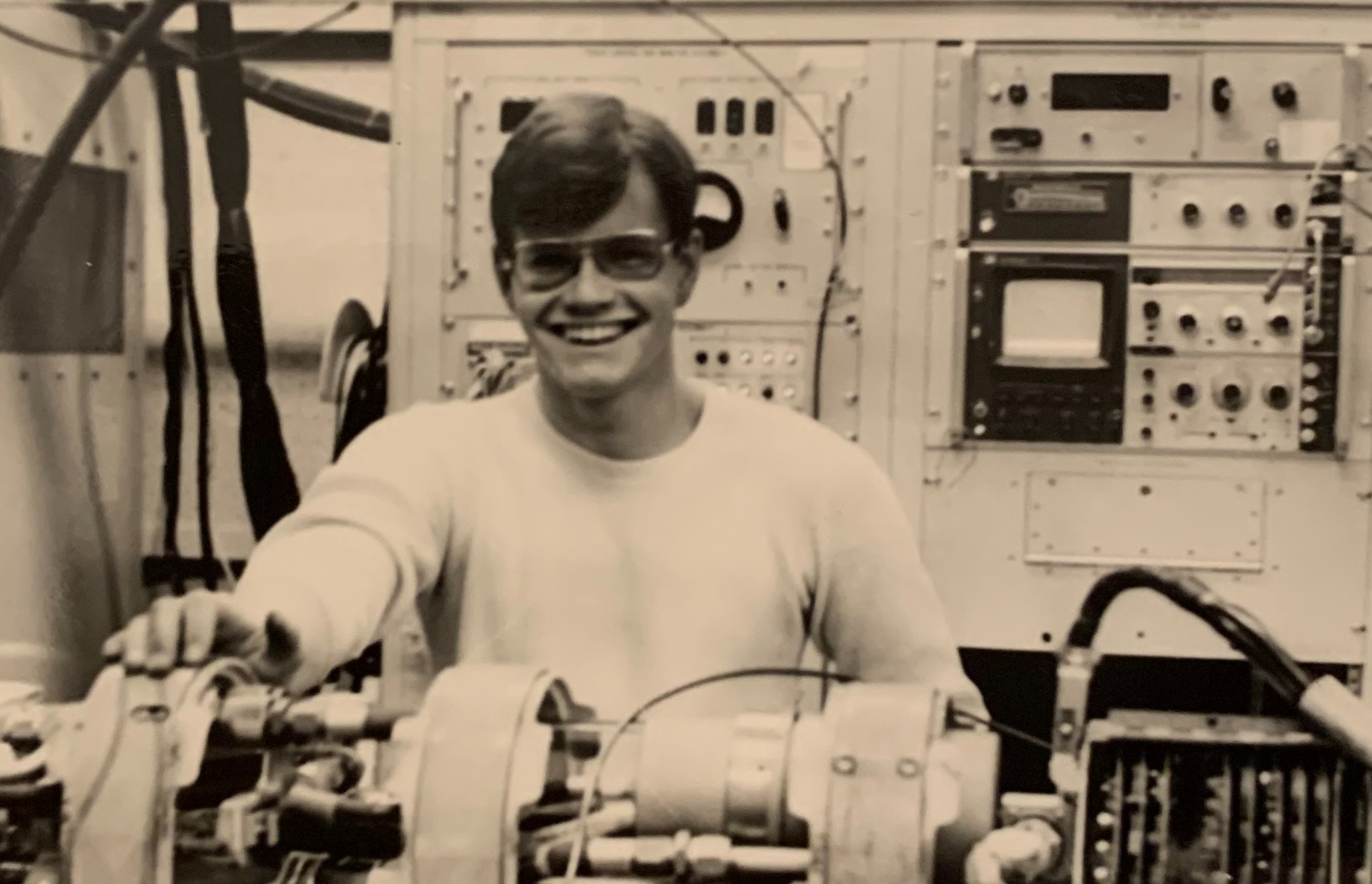
Osan Korea Electronic Warfare Technician

Osan Korea Electronic Warfare Technician

51 Component Repair Squadron • U.S. Air Force • 1979
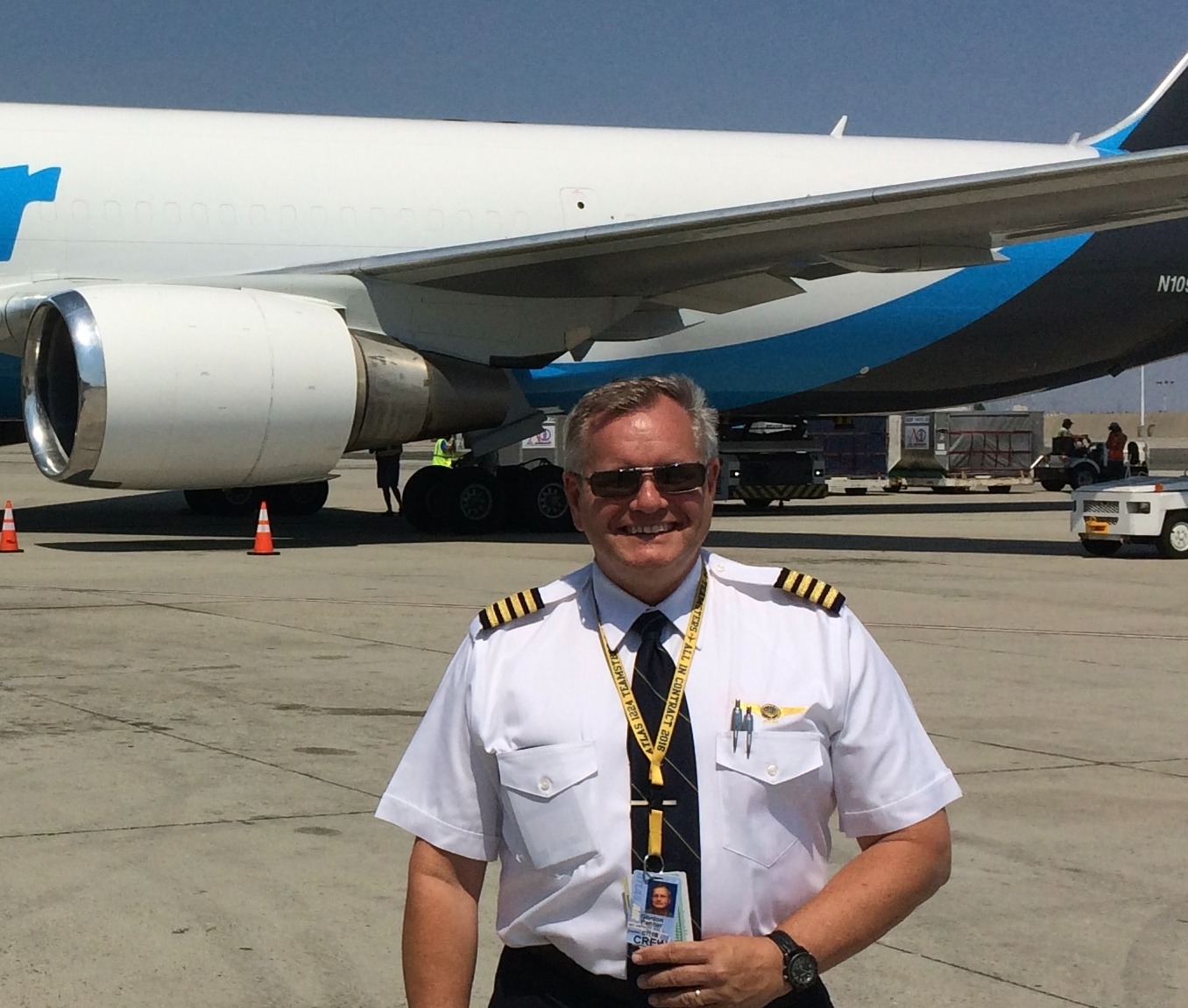
Boeing 767 Captain

Boeing 767 Captain

U.S. Air Force • 2017

Towing Gliders

Towing Gliders

U.S. Air Force • 2000

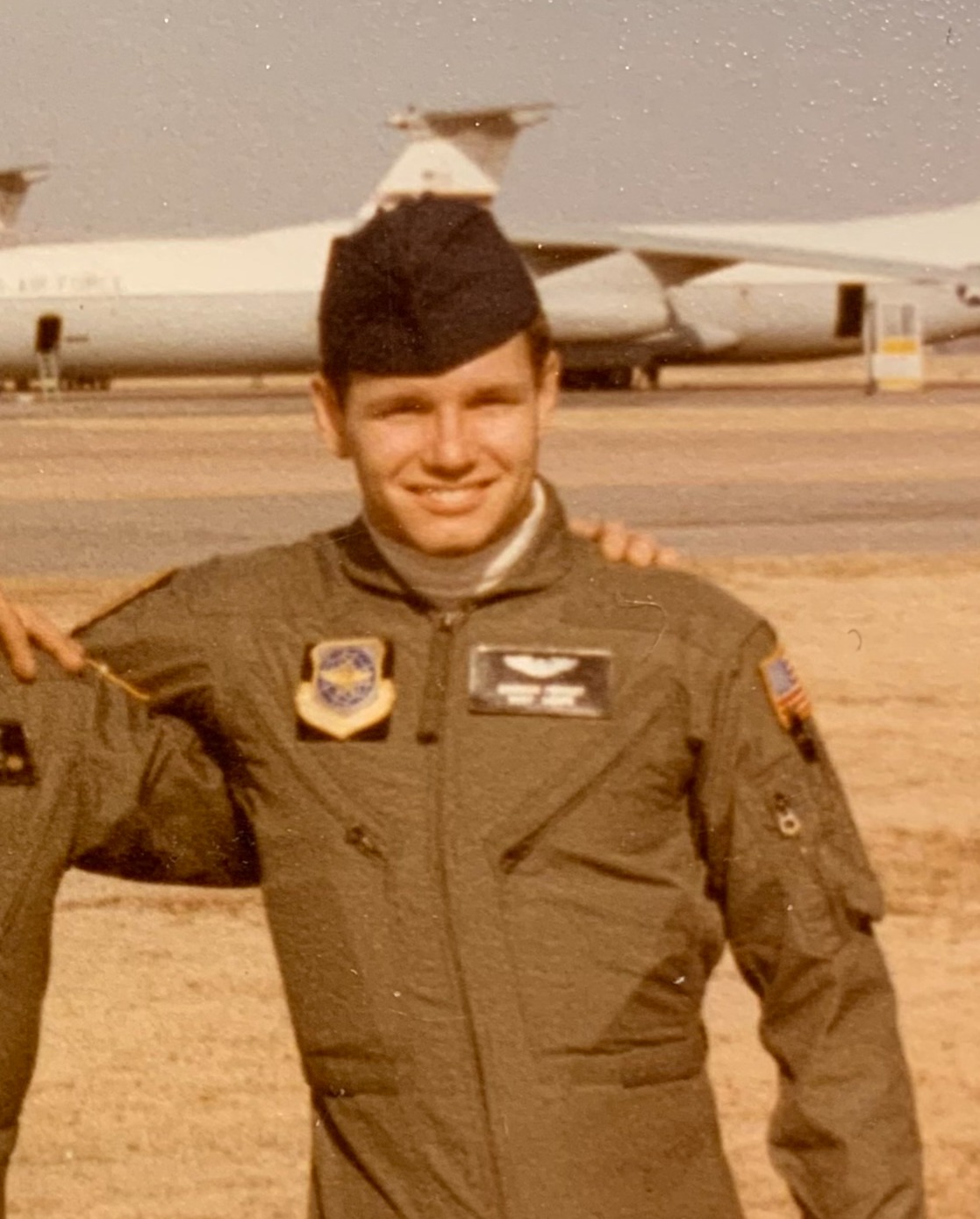
C-141 Flight Engineer Graduation

C-141 Flight Engineer Graduation

708 Military Airlift Squadron • U.S. Air Force • 1982

About 4th CAG, III MAF

About this Unit

The 4th Civil Affairs Group (4th CAG) served as part of the III Marine Amphibious Force (III MAF) during the Vietnam War. Activated in 1967, the unit’s primary mission was to facilitate civil-military operations, including humanitarian assistance, infrastructure development, and fostering relations between U.S. forces and the Vietnamese civilian population. Operating primarily in I Corps, 4th CAG worked closely with local leaders and agencies to stabilize communities affected by the conflict. Their efforts contributed to the broader pacification and nation-building strategies of the U.S. military in Vietnam.

Historical Facts

• Formation and Purpose: The 4th Civil Affairs Group (4th CAG) was activated in 1967 to support the III Marine Amphibious Force (III MAF) during the Vietnam War. Its primary mission was to coordinate civil-military operations in South Vietnam. • Humanitarian Focus: The unit was responsible for providing aid, rebuilding infrastructure, and assisting local Vietnamese populations in war-torn areas, often bridging the gap between military operations and civilian needs. • Small but Effective: The 4th CAG was a relatively small unit, typically comprising fewer than 100 Marines and Navy personnel, but their impact was amplified through collaboration with Vietnamese authorities and other allied agencies. • First Reserve CAG in Vietnam: The 4th CAG was the first Marine Corps Reserve civil affairs unit to serve in an active combat zone, setting a precedent for Reserve component deployments. • Pacification Programs: The unit played a key role in the "pacification" strategy, helping to win the "hearts and minds" of the Vietnamese people and counter the influence of the Viet Cong through civic action projects. • Education and Medical Aid: 4th CAG Marines helped establish schools, provide medical care, dig wells, and distribute food and supplies in rural villages, often at personal risk. • Civilian-Military Cooperation: The group worked closely with U.S. Agency for International Development (USAID) and local Vietnamese leaders to identify and address critical community needs. • Recognition for Valor: Members of the 4th CAG received numerous commendations and awards for bravery and dedication, often operating in dangerous and politically sensitive environments. • Lasting Legacy: The experiences and lessons learned by 4th CAG during Vietnam influenced the development of modern Marine Corps civil affairs doctrine and training. • Deactivation and Heritage: After completing its Vietnam mission, the 4th CAG was deactivated in 1970. Its lineage and traditions live on through current Marine civil affairs units, honoring their contributions to military history.