
Opening branch overview
Building the branch home surface
Loading branch highlights, featured unit context, and gallery moments.
Overview
Members
Units
Building the branch home surface
Loading branch highlights, featured unit context, and gallery moments.
Building the branch units surface
Loading unit filters, rankings, and the branch unit grid.

37 members•1 unit
Relive and share the memories of your service-time with your brothers and sisters in arms today. VetFriends.com can help you reconnect.
Did you proudly serve in the Reconnaissance Attack (Heavy) Squadron 6 (RVAH-6)?
Are you looking for someone who is or was in the Reconnaissance Attack (Heavy) Squadron 6 (RVAH-6)?
Do you have Reconnaissance Attack (Heavy) Squadron 6 (RVAH-6) photos you'd like to share?
Then join a community with your brothers and sisters of the Reconnaissance Attack (Heavy) Squadron 6 (RVAH-6).
Branch
U.S. Air Force
Members
37
Reconnaissance Attack (Heavy) Squadron 6 (RVAH-6), known as the "Fleurs," was a U.S. Navy squadron established in January 1951 as Composite Squadron Six (VC-6), later redesignated RVAH-6 in 1964. Initially flying the AJ Savage bomber, the squadron transitioned to the A3D Skywarrior and ultimately to the RA-5C Vigilante, specializing in carrier-based reconnaissance missions. RVAH-6 participated extensively in the Vietnam War, conducting high-risk photographic reconnaissance over hostile territory. The squadron continued its service through the Cold War until its deactivation on October 20, 1978.
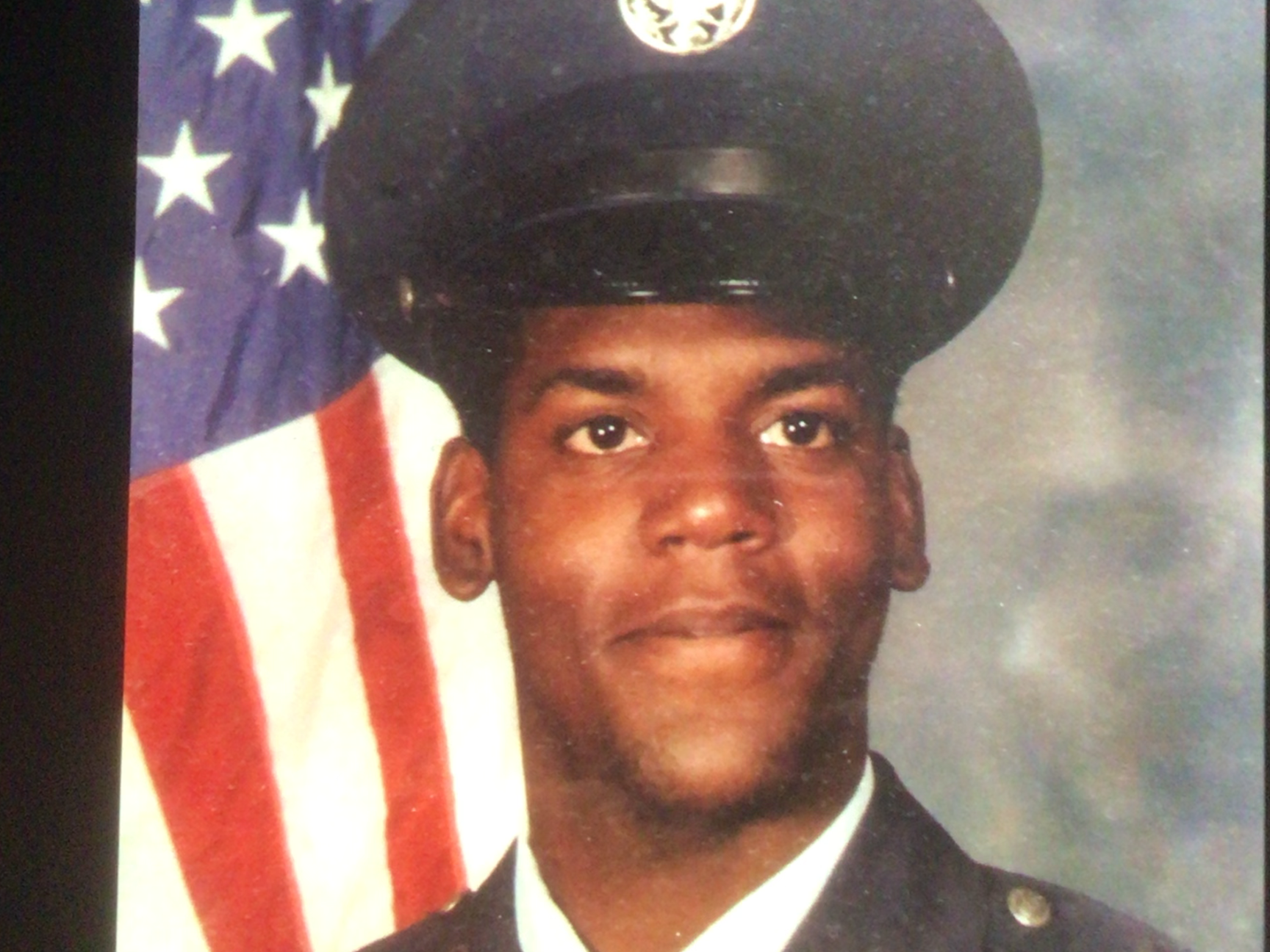
U.S. Air Force • 1978
401 tfw • U.S. Air Force • 1976
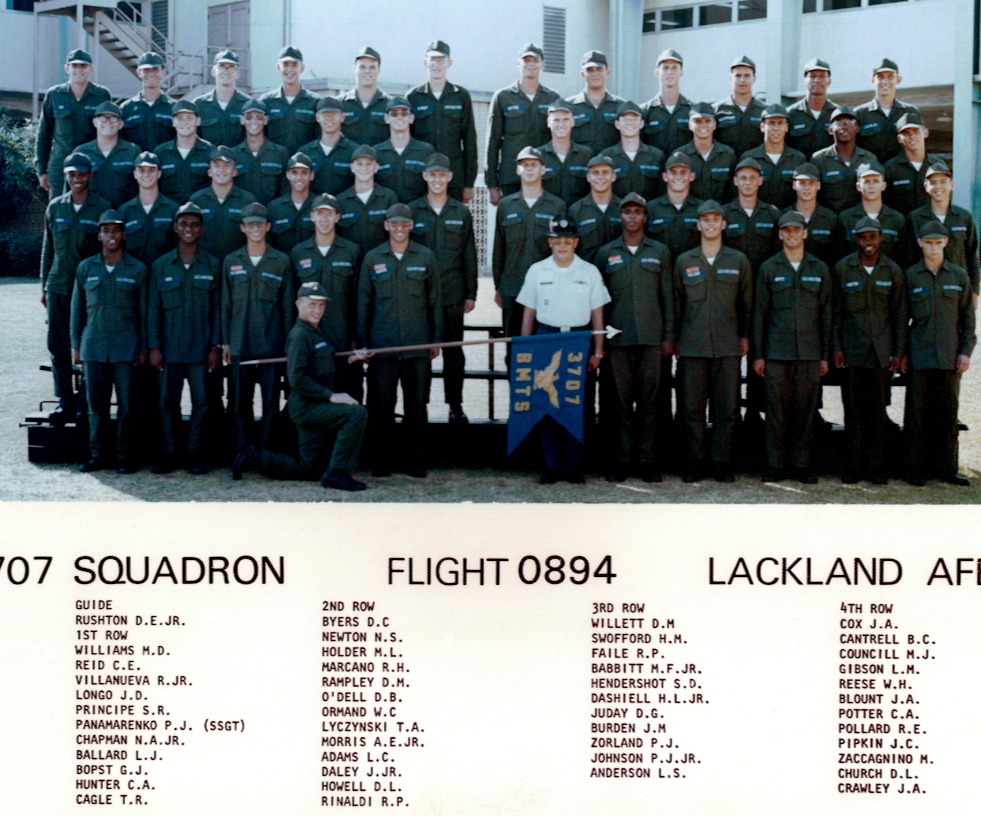
U.S. Air Force • 1975
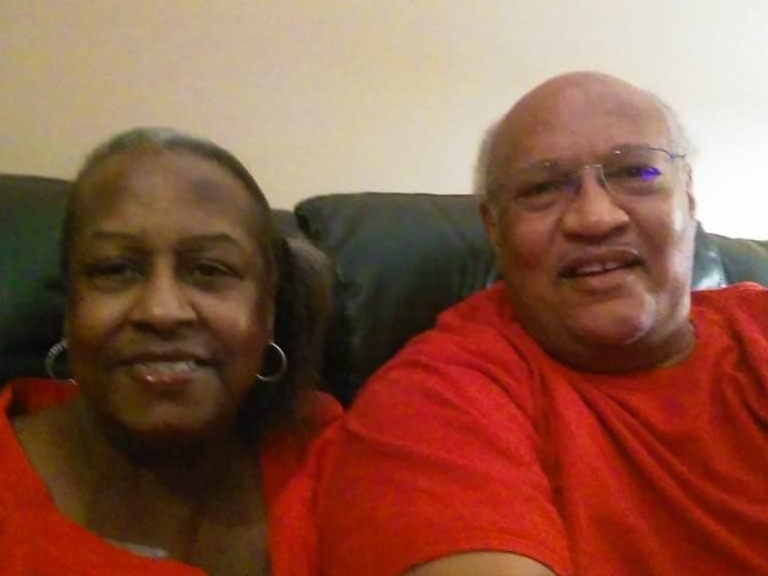
U.S. Air Force • 2015