
Opening branch overview
Building the branch home surface
Loading branch highlights, featured unit context, and gallery moments.
Overview
Members
Units
Building the branch home surface
Loading branch highlights, featured unit context, and gallery moments.
Building the branch units surface
Loading unit filters, rankings, and the branch unit grid.

37 members•1 unit
Relive and share the memories of your service-time with your brothers and sisters in arms today. VetFriends.com can help you reconnect.
Did you proudly serve in the Webb Air Force Base?
Are you looking for someone who is or was in the Webb Air Force Base?
Do you have Webb Air Force Base photos you'd like to share?
Then join a community with your brothers and sisters of the Webb Air Force Base.
Branch
U.S. Air Force
Members
37
Webb Air Force Base, located near Big Spring, Texas, was originally established in 1942 as Big Spring Army Air Field to train bombardiers during World War II. After a brief deactivation post-war, it reopened in 1951 as Webb Air Force Base, named in honor of Lieutenant James L. Webb, a local pilot killed in World War II. The base became a major site for undergraduate pilot training under the Air Training Command, producing thousands of Air Force pilots during the Cold War era. Webb AFB was eventually closed in 1977 as part of post-Vietnam defense cutbacks, with its facilities later repurposed for civilian use.
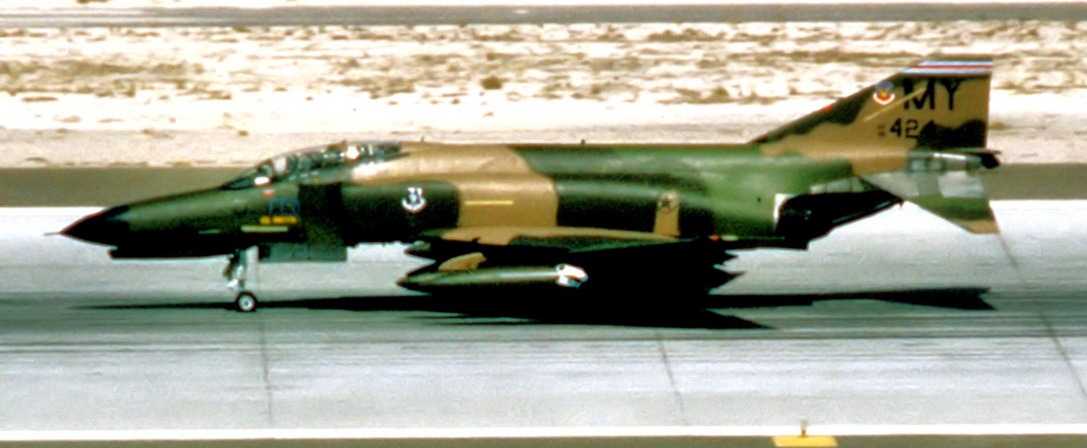
68th AGS • U.S. Air Force • 1976
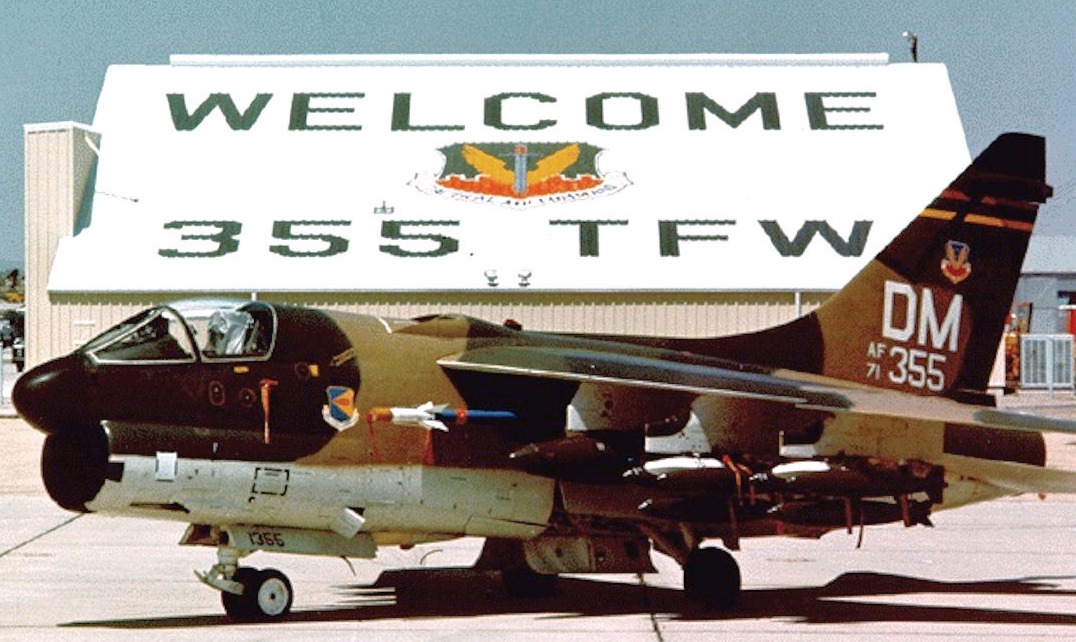
355th AMS • U.S. Air Force • 1974
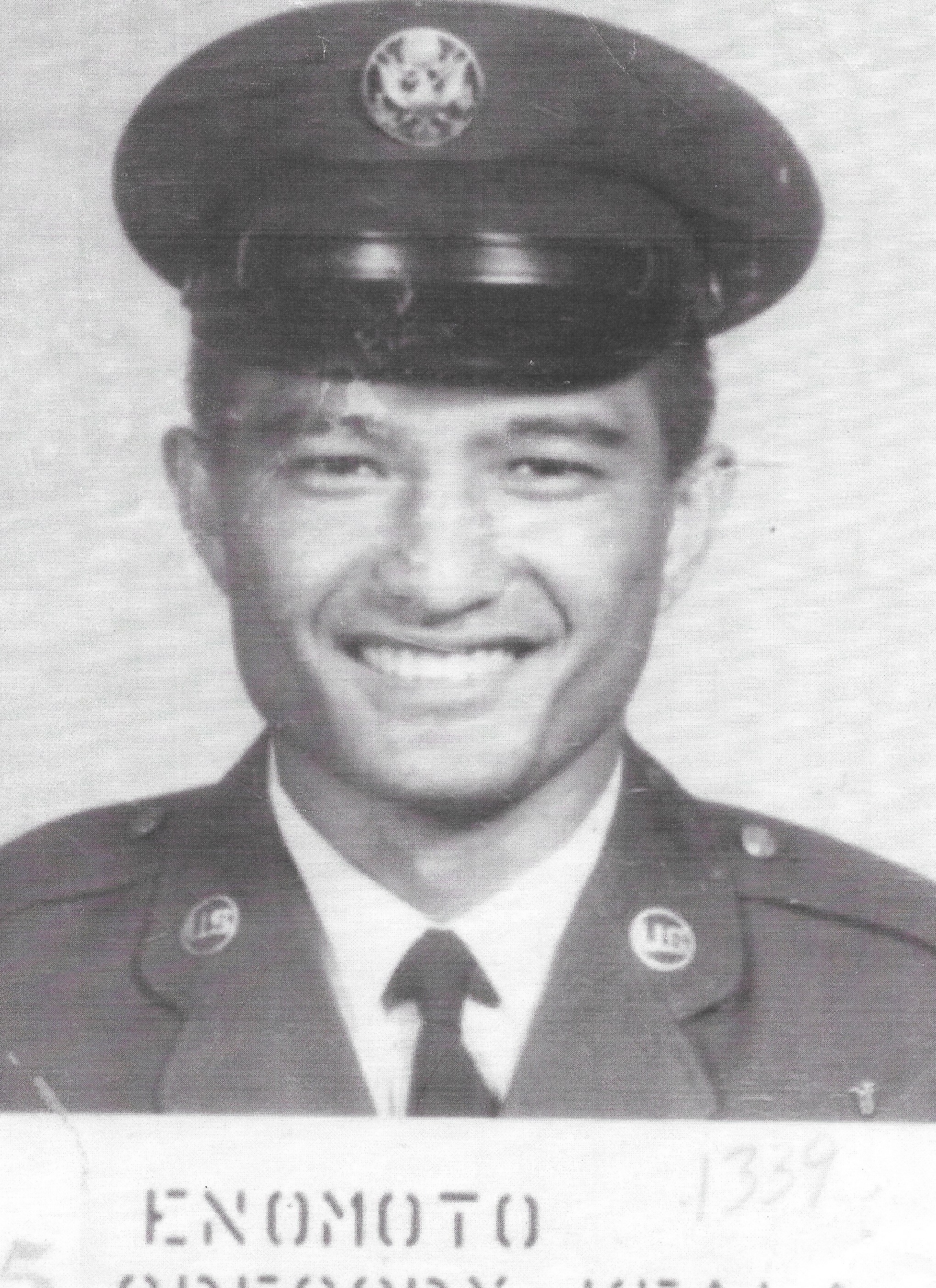
Flight 1354 • U.S. Air Force • 1973

22 ATH MARCH AFB SUNNYMEAD California • U.S. Air Force • 1982