
Opening branch overview
Building the branch home surface
Loading branch highlights, featured unit context, and gallery moments.
Overview
Members
Units
Building the branch home surface
Loading branch highlights, featured unit context, and gallery moments.
Building the branch units surface
Loading unit filters, rankings, and the branch unit grid.

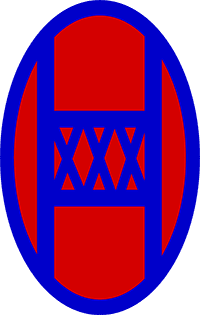
37 members•1 unit
Relive and share the memories of your service-time with your brothers and sisters in arms today. VetFriends.com can help you reconnect.
Did you proudly serve in the 30th Infantry Division?
Are you looking for someone who is or was in the 30th Infantry Division?
Do you have 30th Infantry Division photos you'd like to share?
Then join a community with your brothers and sisters of the 30th Infantry Division.
Branch
U.S. Army
Members
37
The 30th Infantry Division, nicknamed the "Old Hickory" Division, was organized in 1917 and served with distinction in both World War I and World War II. During World War I, the division fought alongside British forces, earning acclaim for its role in breaking the Hindenburg Line in 1918. In World War II, the 30th Infantry Division landed in Normandy shortly after D-Day and participated in key campaigns including the Battle of Saint-Lô, the Battle of the Bulge, and the crossing of the Rhine. Renowned for its combat effectiveness, the 30th Infantry Division was recognized as one of the most outstanding American infantry divisions of the war.
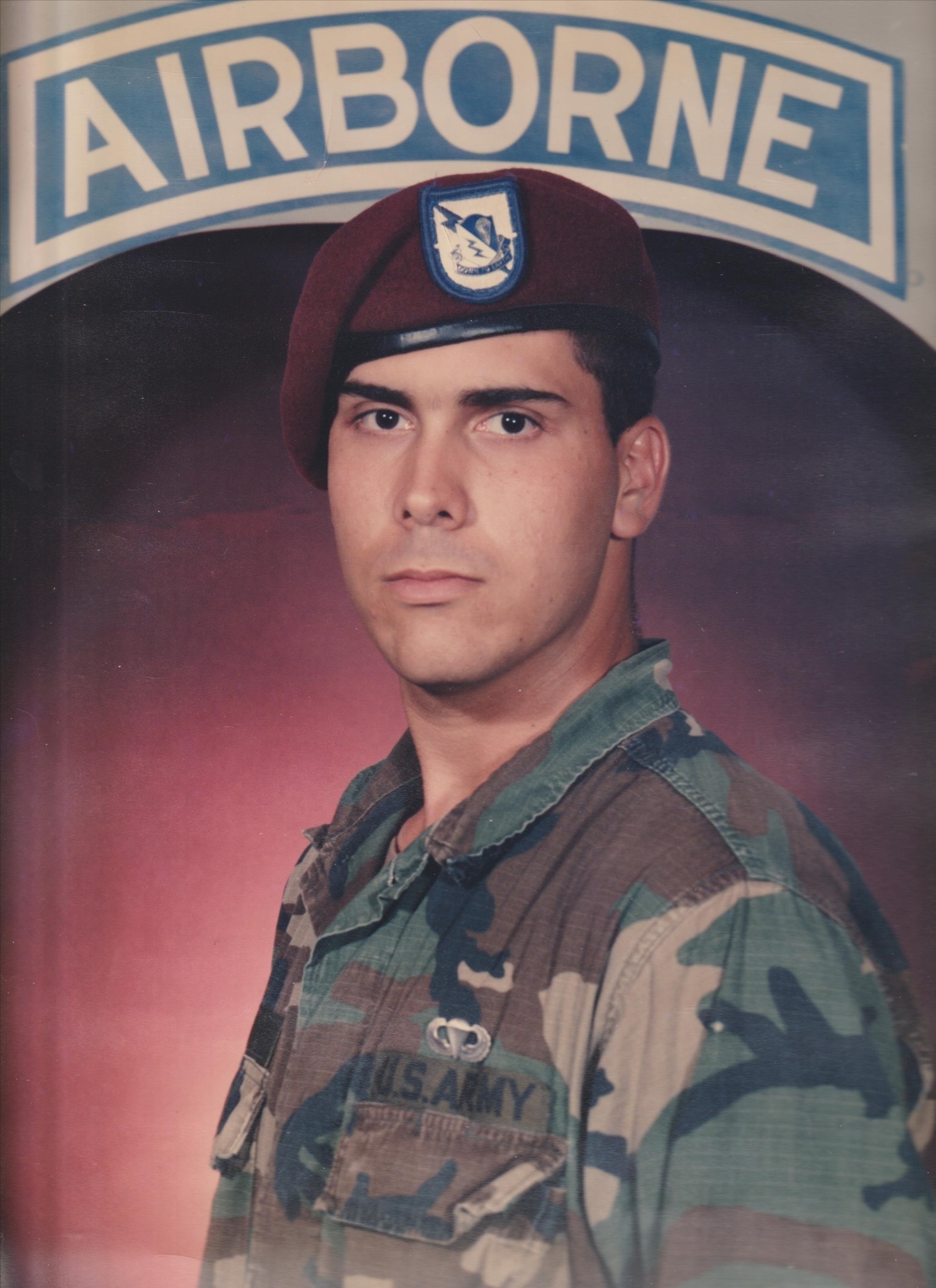
D Co., 502nd Airborne Battalion • U.S. Army • 1990
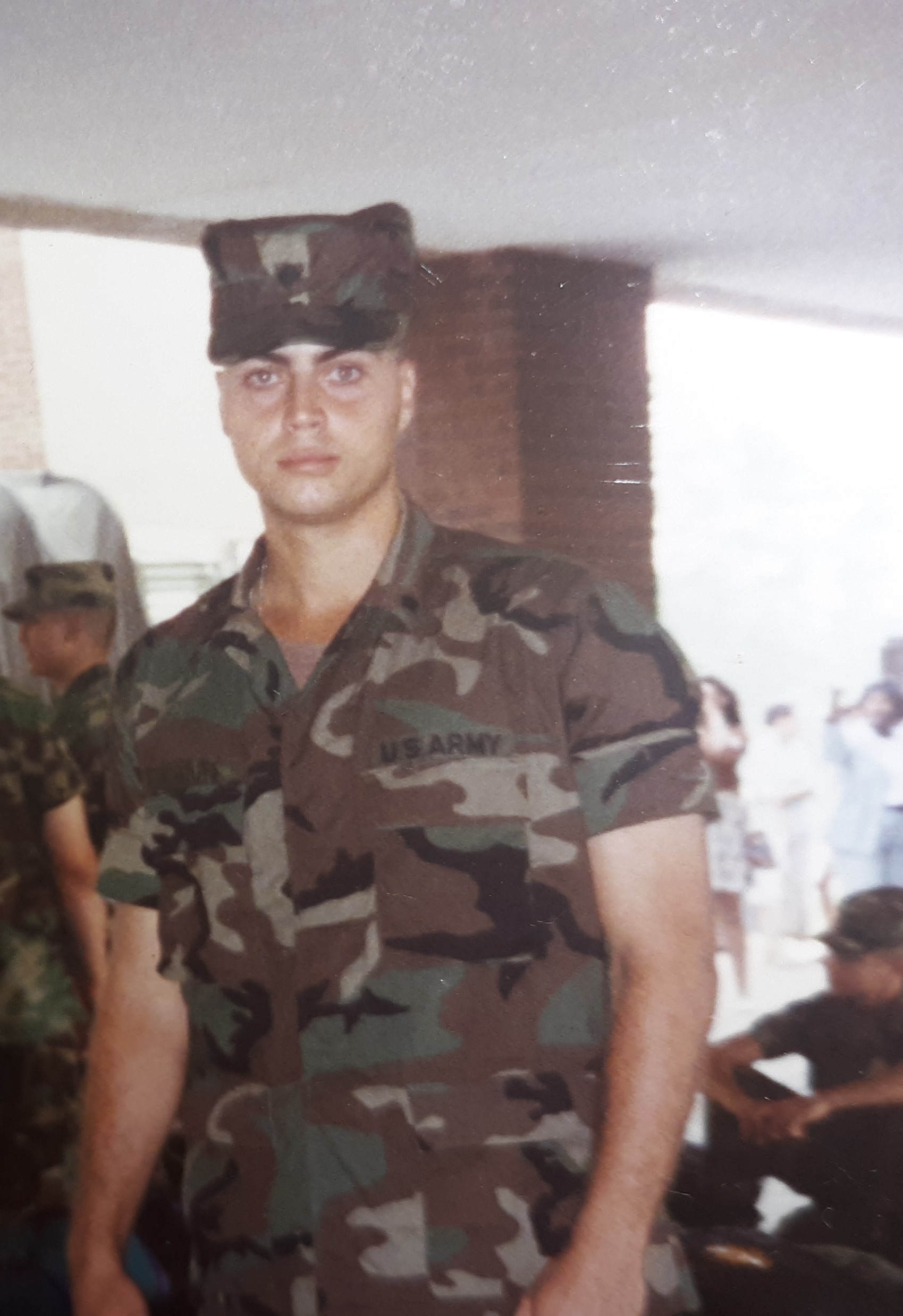
1st Infantry Division • U.S. Army • 1994

U.S. Army

C1 1 3rd Platoon Tank Hill • U.S. Army