
Opening branch overview
Building the branch home surface
Loading branch highlights, featured unit context, and gallery moments.
Overview
Members
Units
Building the branch home surface
Loading branch highlights, featured unit context, and gallery moments.
Building the branch units surface
Loading unit filters, rankings, and the branch unit grid.

37 members•1 unit
Relive and share the memories of your service-time with your brothers and sisters in arms today. VetFriends.com can help you reconnect.
Did you proudly serve in the 507th PIR?
Are you looking for someone who is or was in the 507th PIR?
Do you have 507th PIR photos you'd like to share?
Then join a community with your brothers and sisters of the 507th PIR.
Branch
U.S. Army
Members
37
The 507th Parachute Infantry Regiment (507th PIR) was activated in July 1942 at Fort Benning, Georgia, as part of the U.S. Army’s growing airborne forces during World War II. The regiment first saw combat during the D-Day landings on June 6, 1944, as part of the 82nd Airborne Division, parachuting into Normandy, France, and engaging in intense fighting around Sainte-Mère-Église. Later, the 507th participated in Operation Varsity, the airborne assault across the Rhine River into Germany in March 1945, now attached to the 17th Airborne Division. The unit earned a distinguished record for bravery and effectiveness before being inactivated after the war.
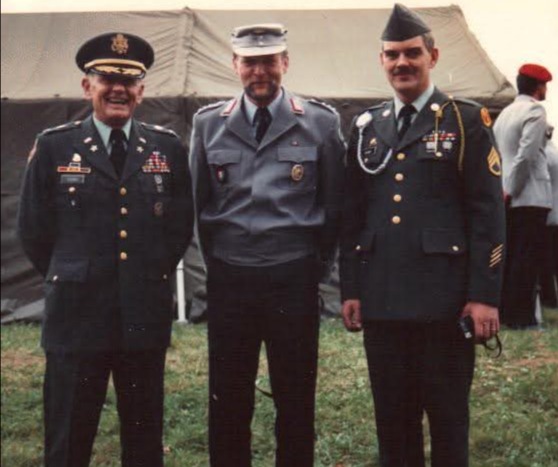
3/37th FA • U.S. Army
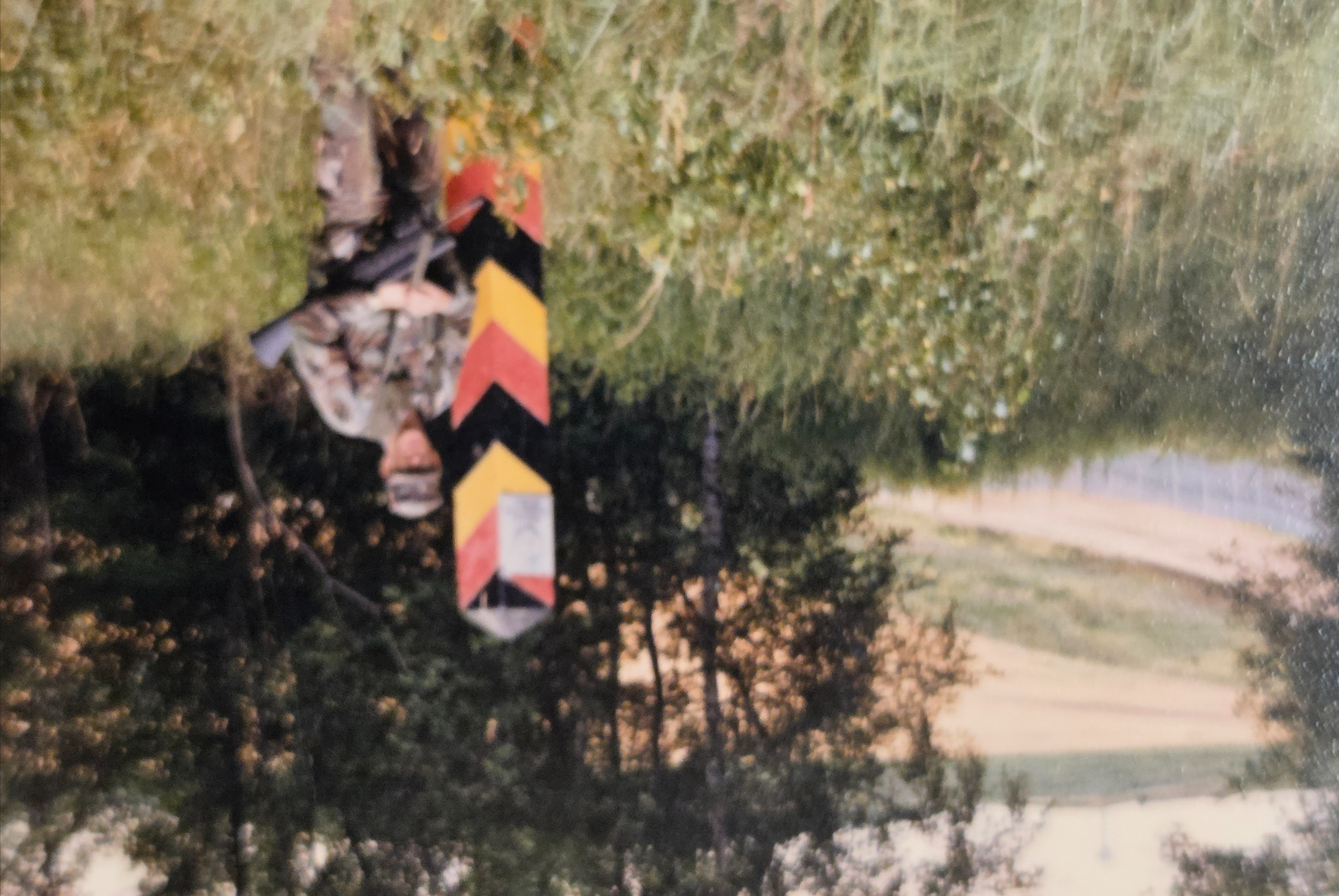
103rd MI Bn 3rd Infantry Division • U.S. Army • 1986
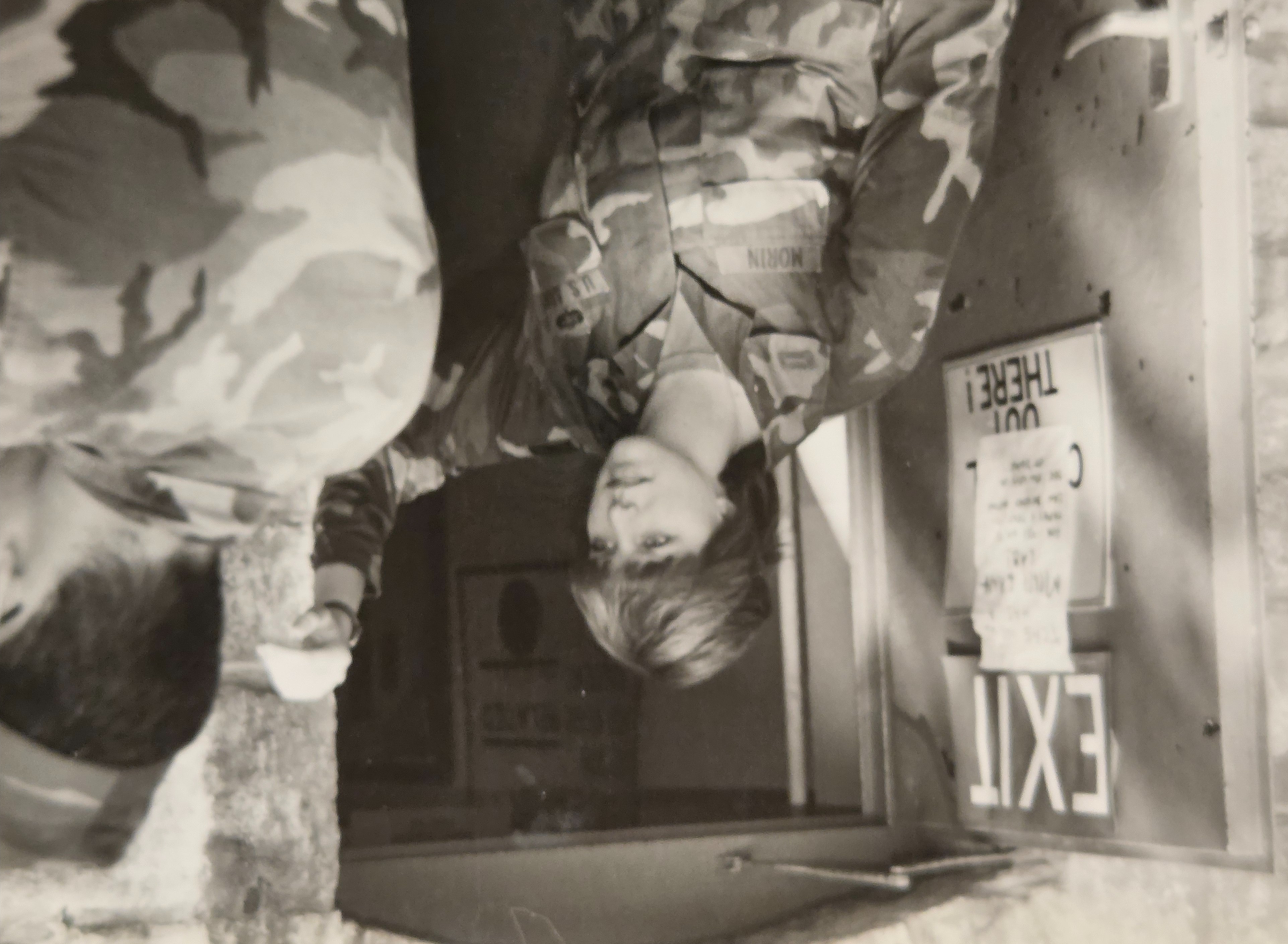
103rd MI Bn 3rd Infantry Division • U.S. Army • 1987
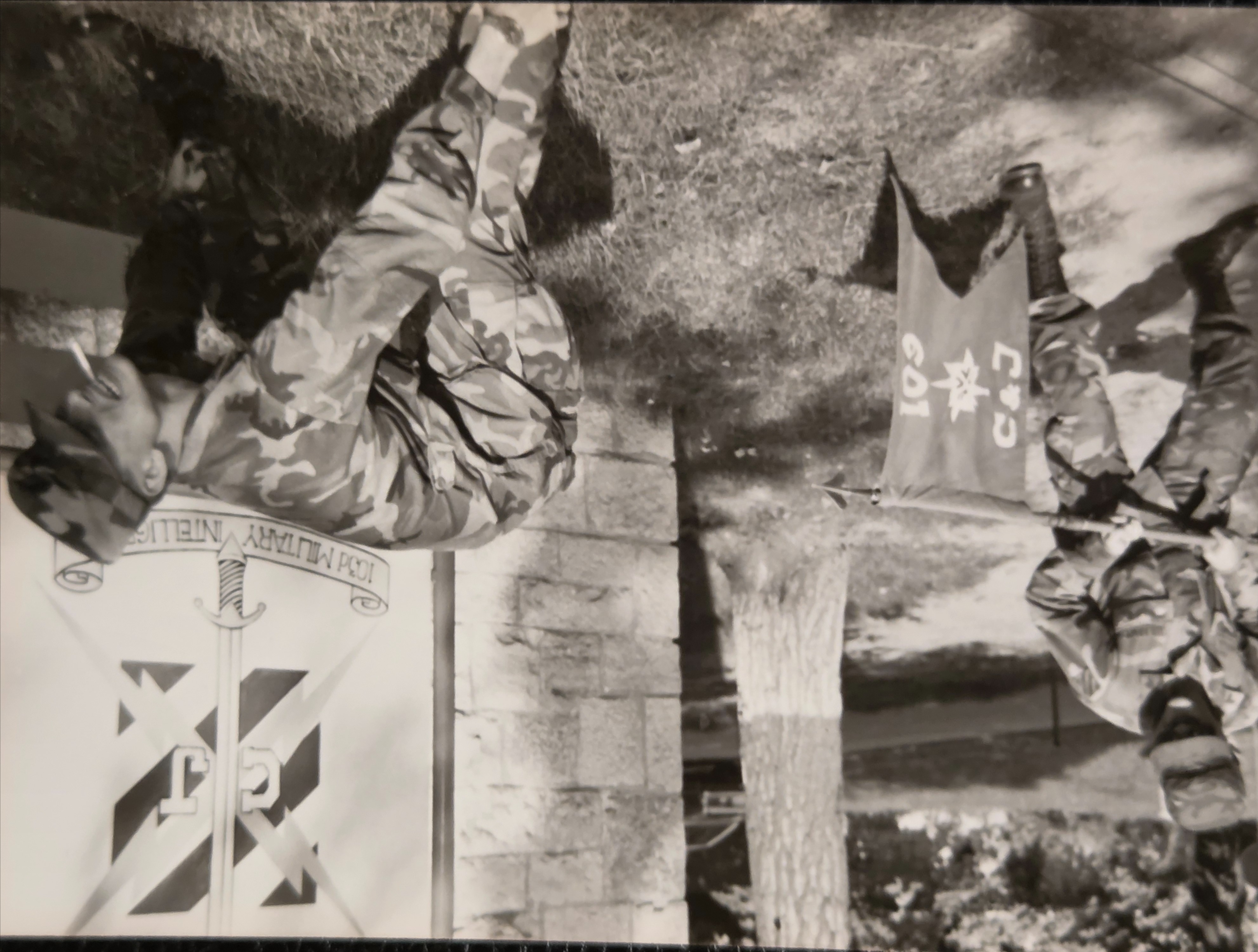
103rd MI Bn 3rd Infantry Division • U.S. Army • 1987